








 Meet&Co
Dorm rooms may put furniture through more wear and tear than you expect. Furniture may need to handle daily studying, relaxing, eating, storage, frequent rearrangement, and even several moves between apartments. For that reason, choosing durable furniture is not simply about buying something that looks sturdy. It is about finding pieces that can remain comfortable, functional, and attractive as your living situation changes.
Although dorm room furniture is often associated with college students, the same considerations apply to student apartments, shared housing, rental bedrooms, and other compact living spaces. Whether you are furnishing a small room for yourself, preparing a rental property, or selecting furniture for a larger student housing project, durability can make a significant difference in long-term value.
Why Durability Matters in Dorm Room Furniture
Durability matters because furniture in small living spaces is often used intensively. A desk may serve as a study area, dining surface, and workspace, while a chair may be used for several hours every day.
A durable piece does not necessarily need to be heavy or difficult to move. Instead, it should have a stable construction that can withstand normal use and relocation without quickly losing its structural integrity.
What Makes Dorm Room Furniture Durable
Durability starts with the parts of a piece of furniture that you cannot always see. A well-designed frame provides the foundation for a sofa, chair, desk, or storage cabinet, while the quality of the joints, hardware, suspension, and other structural components determines how well the furniture handles repeated use.
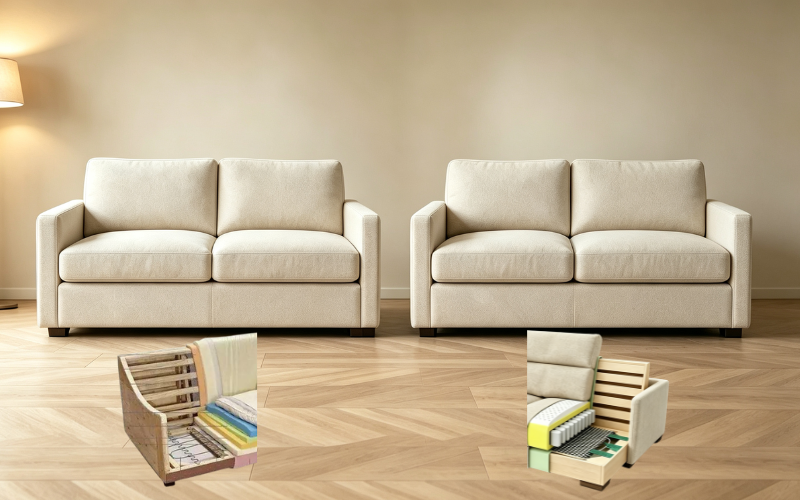
For upholstered furniture, the frame is only part of the equation. Cushion construction, foam density, spring systems, upholstery fabric, and stitching can all affect how a sofa or chair performs over time. A piece may look almost identical to another product in a photograph, yet have a completely different lifespan because of what is underneath the upholstery.
Dorm Room Furniture for Different Living Situations
Dorm room furniture is not limited to traditional college dormitories. Similar furniture needs can be found in worker housing, hostels, and other space-conscious living environments.
1. For students who study a lot
For students who spend several hours studying each day, a durable desk and chair can make a significant difference. These pieces need to withstand frequent daily use while providing enough comfort and support for long study sessions.
2. For workers sharing a dorm room
Workers may also live in shared dormitories, employee housing, military accommodation, or other communal living spaces, where furniture can be exposed to frequent and intensive use.
3. For travelers staying in hostels
Hostels and other shared accommodations have some of the most demanding furniture requirements. Consistent furniture specifications are especially important in hostels because they can make replacement and maintenance easier.
Which Dorm Room Furniture Is Worth Investing In?
Not every piece of furniture needs to have the same level of durability. Furniture that is used for several hours every day deserves more attention than occasional-use pieces.
● Chairs
A chair can be one of the most frequently used pieces of furniture in a dorm room. A chair may support several hours of reading, writing, or computer work every day, so comfort and structural durability are both important.
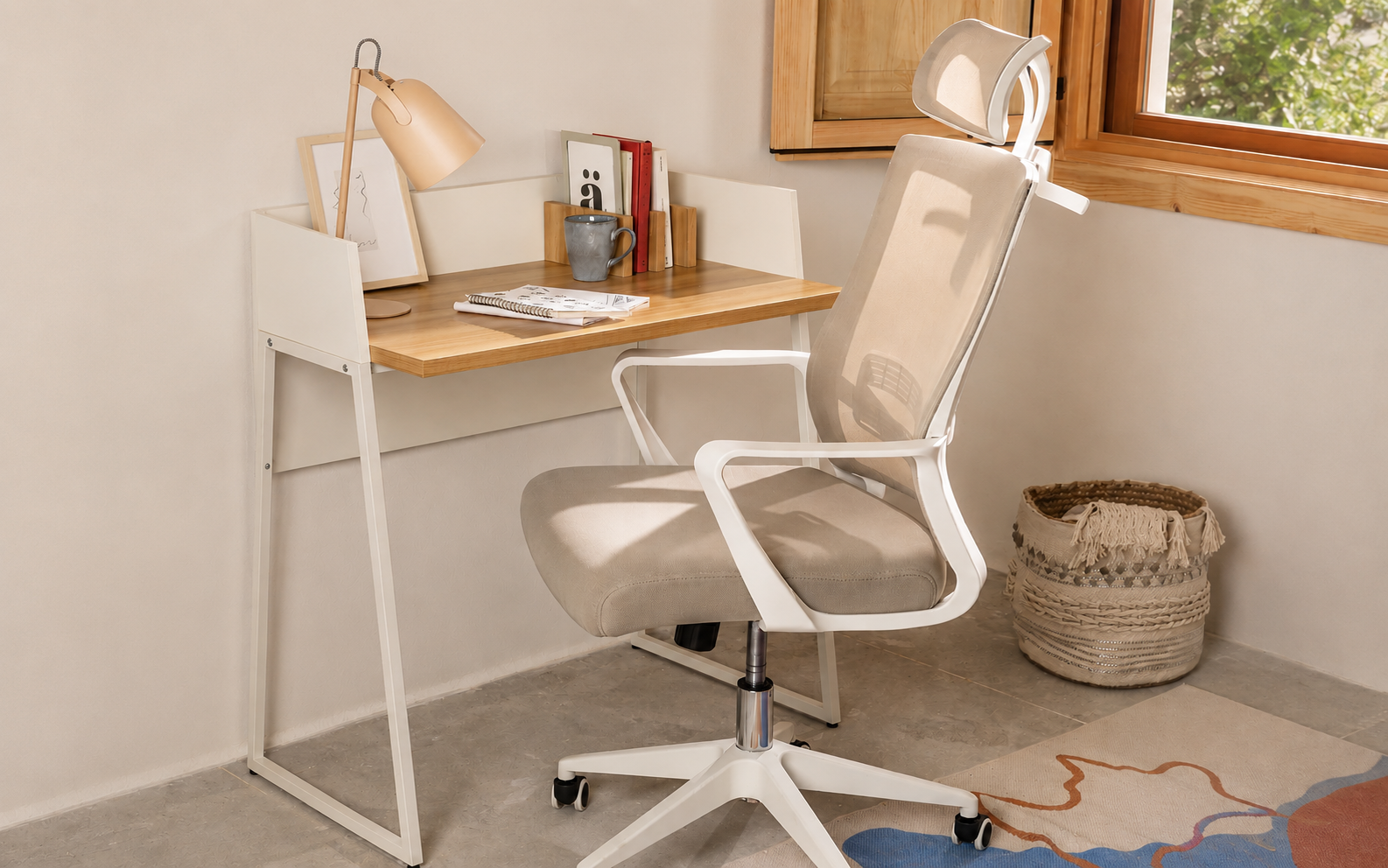
Look for a sturdy frame, reliable joints, supportive cushioning, and upholstery that can withstand regular use. If the chair will be used primarily for studying or working, ergonomic features such as lumbar support, adjustable height, and adequate seat depth can also make a meaningful difference. Spending a little more on a well-built chair can be worthwhile when it is likely to be used every day for several years.
● Desks
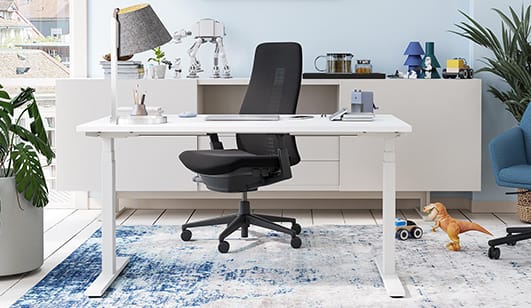
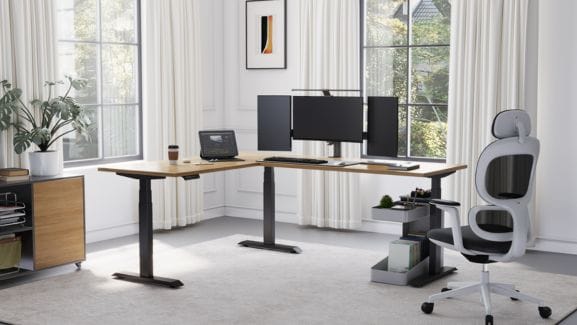
A desk often serves multiple purposes in a small living space. It may function as a study area, laptop workstation, writing surface, or even a place for eating. Because of this, a durable desk should have a stable frame and a surface that can withstand everyday scratches, spills, and frequent use.
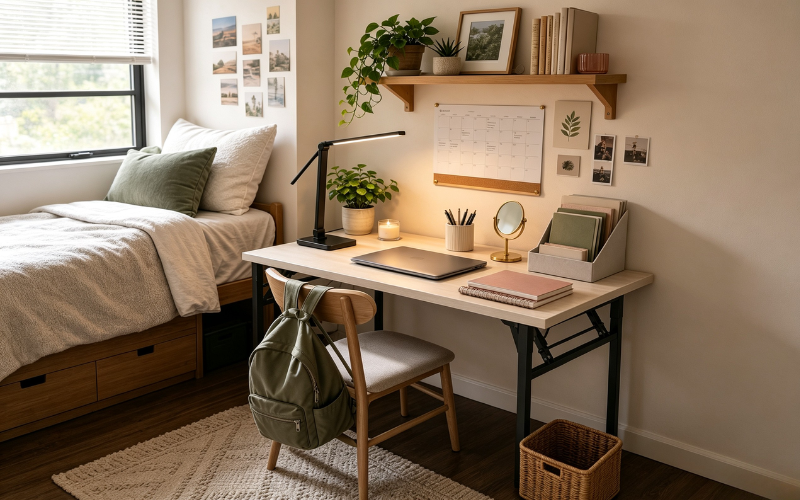
Size is another important consideration. A large, heavy desk may be durable but impractical in a small room. Instead, look for a compact design that provides enough workspace without taking up unnecessary floor area. Desks with built-in storage or designs that can be easily moved can also offer greater long-term value, especially when the room or living arrangement changes.
● Beds and Mattresses
Beds and mattresses deserve careful consideration because they directly affect sleep and are typically used every day.
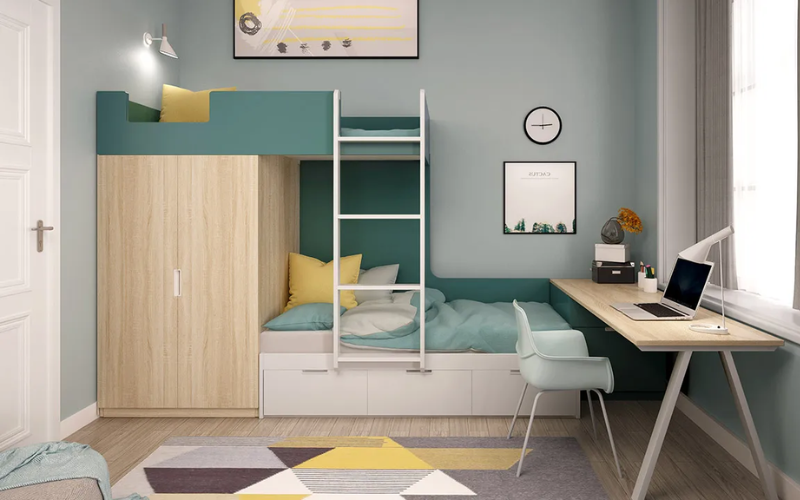
dorm room bed
If you are furnishing a student apartment, rental property, or privately managed student housing, durability becomes more important. A sturdy bed frame should provide reliable support without excessive movement or noise, while a mattress should maintain its comfort and support over time. For shared or rental properties, easy maintenance and replacement can also be important factors. Generally, bunk beds are a good choice.
● Storage Furnitures
Storage furniture is another good investment because drawers, doors, shelves, and cabinets are opened, closed, and loaded repeatedly. A poorly constructed storage unit may begin to wobble, sag, or develop damaged hardware after relatively short use.
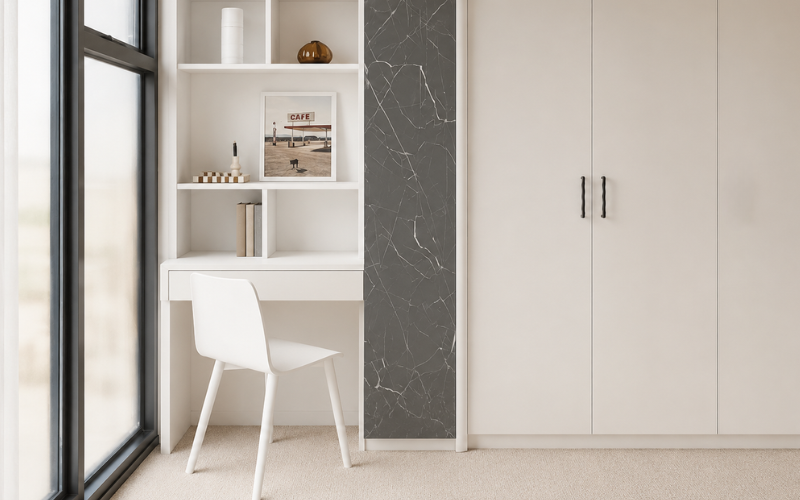
When choosing storage furniture for a dorm room, look for a balance between capacity, stability, and footprint. Vertical shelving, compact cabinets, mobile pedestals, and under-bed storage can provide useful capacity without taking up too much floor space. For student housing and rental environments, easy-to-clean surfaces and replaceable hardware can also make furniture easier to maintain over the long term.
How to Choose Durable Dorm Room Furniture
Dorm furniture undergoes heavy daily use. Frequent moving, limited space and rough handling make a slightly different approach to furniture selection.
1. Pick Reliable Materials
- Steel frames resist deformation, scratches and moisture. They are perfect for bunk beds, wardrobes and storage cabinets. Powder‑coated surfaces prevent rust and are easy to wipe clean.
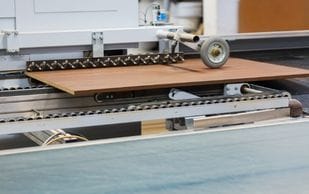
- Plywood is more stable than MDF. It resists warping and swelling when exposed to minor water spills, ideal for desks and shelves.
- Solid wood usually has great texture and long service life, yet higher price. Choose solid wood for premium dorm desks if budget permits.
- Avoid low‑grade MDF. Cheap medium‑density fiberboard swells easily in humid dormitories and breaks quickly after bumps.
2. Check Structural Strength & Load Capacity
Shaky frames and loose joints are common failures of cheap dorm furniture.
- Test sturdiness by shaking gently. No creaks or wobbles mean better stability.
- Pay attention to tube thickness for metal furniture. Thicker steel tubing delivers higher load‑bearing performance.
- Examine joints. Welded joints or thick bolts outperform simple plastic connectors.
- Bed frames must meet safe load standards to avoid collapse risks.
3. Match Size with Dorm Space
Dorm rooms are compact. Over‑large furniture blocks walkways, gets bumped frequently and wears faster.
- Measure the available area before purchase
- Select modular, compact designs. They are easier to relocate and less likely to collide with walls or doors.
4. Prioritize Wear‑resistant & Easy‑to‑clean Surfaces
Dorms see spills, stains and scrapes every day.
- Laminated, fireproof or powder‑coated surfaces stand up to scratches and liquid spills.
- Stay away from thin, fragile veneers that peel off after short use.
5. Consider Maintainability & Replaceable Parts
For long‑term use, avoid fully integrated non‑repairable furniture
- Choose products with replaceable bolts, legs and drawer slides. Damaged parts can be swapped instead of throwing the whole set away.
- Confirm after‑sales support from suppliers.
6. Balance Durability with Environmental Safety
Durability should never come at the cost of health. Low‑quality boards release harmful volatile substances. Select furniture with low formaldehyde emission certificates, especially for enclosed wardrobes and desks inside small dorm rooms.
How to Tell If Furniture Is Built to Last
For online furniture purchases
Online shopping lacks physical inspection, so buyers cannot touch or test furniture on site. The core of identifying durable products is to verify official data, detailed parameters and real user feedback, rather than relying on beautified product pictures and promotional copy. Reliable online furniture merchants will disclose complete product information without hiding key details of materials and structure.
First of all, focus on the official material specifications. Prioritize products that clearly mark core substrates, such as plywood and solid wood, and stay cautious of vague descriptions like “high-grade board” and “environmental board”. Professional and trustworthy product pages will specify board types, steel tube thickness, surface treatment processes and formaldehyde emission standards. MDF and particleboard furniture with undisclosed parameters are usually made of low-grade raw materials, which are prone to water swelling, deformation and edge chipping after short-term use.
Secondly, refer to real customer reviews and long-term use feedback. Pay special attention to comments mentioning structural stability, shaking problems, drawer smoothness and rust conditions. Inferior online furniture often looks intact in official pictures, but users will reflect common problems such as loose joints, wobbly frames and peeling veneers after one or two months of use. These real usage problems are the most intuitive basis for judging durability.
In addition, confirm after-sales service and replaceable parts. Durable furniture supports local maintenance and independent replacement of bolts, hinges and drawer slides. If the merchant provides long-term after-sales guarantee and clear replacement channels for vulnerable parts, it proves that the product is designed for long-term use. On the contrary, disposable integrated furniture without after-sales support is often poorly structured and not durable.
For in-store furniture purchases
Offline physical stores support on-site manual inspection and simulation tests, which is the most accurate way to judge furniture durability. Buyers can directly verify the material texture, structural firmness and hardware quality through intuitive operations, avoiding the information asymmetry existing in online shopping.
The first step of offline inspection is manual stability testing. Gently shake the furniture from multiple angles and press the tabletop and bed frame with moderate force. High-quality durable furniture will remain stable without shaking, creaking or loose feeling. You can also pull and push the drawers repeatedly to check whether the slides are smooth and whether there is jamming and tilting. Inferior furniture will show obvious wobble and abnormal noise with slight force, exposing unstable structural design.
Then observe the details of materials and joints closely. You can touch the board section and edge sealing to distinguish the substrate type: plywood has layered texture and stable edge sealing, while low-density board and particleboard have loose sections and rough edges. Check the connection parts of furniture frames carefully. Qualified products adopt welded seams, thick bolts and reinforced corner blocks, while inferior products mostly rely on simple staples and thin nails, which are easy to loosen after long-term use and moving.
Finally, check the surface finish and hardware accessories on site. Scratch the surface slightly to test wear resistance; qualified wear-resistant veneers and powder-coated surfaces are not easy to leave marks. Check the thickness and flexibility of hinges, supports and handles. Thick metal hardware with smooth opening and closing is more corrosion-resistant and durable, while thin plastic and iron hardware are prone to rust and breakage.
How to Maintain Dorm Room Furniture for Longer
Even well-built furniture can wear out prematurely without proper care. Regular cleaning, avoiding excessive loads, tightening loose hardware, and following the manufacturer's care instructions can all help extend the useful life of furniture.
For upholstered pieces, using the appropriate cleaning method for the fabric is particularly important. For desks and storage furniture, protecting surfaces from excessive moisture, scratches, and heavy impacts can help maintain both appearance and structural performance.
Conclusion
Durable dorm room furniture should be viewed as a long-term investment . The right furniture should be able to handle everyday use, occasional moves, changing layouts, and different living environments without quickly becoming outdated or unusable. Whether you are furnishing a traditional dorm room, a student apartment, a shared home, or a rental property, focus on the fundamentals: construction quality, materials, comfort, functionality, and flexibility.
You do not necessarily need to spend the most money; instead, choose furniture that is built around the way you expect to use it. For those looking for furniture that combines contemporary design with practical durability and flexible configurations, Meet&Co offers a range of seating, desks, storage solutions, and other furniture for both residential and commercial spaces.


