






 Meet&Co
The kitchen island has become the true heart of the modern home. It’s where morning coffee happens, kids do homework, friends gather during parties, and quick meals come together. And the unsung heroes of this hub? Your bar stools.
The right bar stools do more than just provide a place to sit. They set the tone for your kitchen’s style, determine how comfortably people can linger, and need to hold up against daily use. But with countless options available—different heights, materials, back styles, and features—shopping for bar stools can quickly feel overwhelming.
Don’t worry. Whether you’re starting from scratch or replacing tired old stools, Meet&Co will walk you through everything you need to know. Let’s find the best stools for kitchen island.
Step 1: Measure Your Space (Get This Right First!)
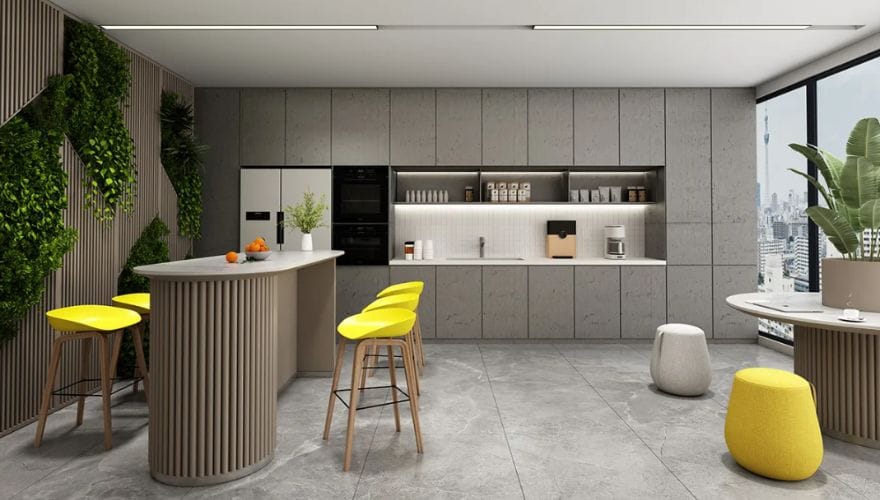
Before you fall in love with any stool style, grab a measuring tape. Getting the height wrong is the most common—and most frustrating—mistake people make.
Standard Counter Heights
First, measure from the floor to the top of your kitchen counter. This measurement determines which stool height you need:
- Standard counter height (36″): This is the most common height for kitchen islands. You’ll need stools that are 24″ to 26″ tall.
- Bar height (42″): Often found in kitchens with raised bars or taller islands. Look for stools 28″ to 30″ tall.
- Extra-tall counters (46″+): Less common but increasingly popular in modern designs. You’ll need stools 32″ to 36″ tall.
The Golden Rule
Here’s a simple rule that never fails: leave about 10 to 12 inches between the seat of the stool and the underside of your counter. This gives most people comfortable leg room without feeling cramped.
Don’t Forget Walking Space
Measure the overhang of your island too. You typically need at least 15 inches of knee clearance from the edge of the counter to any cabinets or walls behind the stools. Also, leave at least 36 to 48 inches between the island and other furniture or walls so people can walk behind seated guests comfortably.
Step 2: Match the Stool Height to Your Counter
Now that you have your measurements, let’s match them properly. Using the wrong height makes sitting awkward and can damage your counter edge over time.
| Counter Height | Recommended Stool Height | Typical Use |
| 34″–36″ | 24″–26″ (counter height) | Standard kitchen islands |
| 40″–42″ | 28″–30″ (bar height) | Raised bars, pub tables |
| 44″–47″ | 32″–36″ (extra-tall) | Commercial-style or custom islands |
Pro tip: If you’re between sizes, go slightly shorter rather than taller. A stool that’s too tall will force people to hunch or have the counter hit them mid-chest—uncomfortable for everyone.
Step 3: Pick Your Back Style
_6.webp)
The back of your stool affects both comfort and how the stool fits under your island. Here are your main options:
Backless Stools
These sleek options slide completely under the counter when not in use, keeping your kitchen looking clean and open. They’re perfect for small spaces and islands that double as prep areas. The trade-off? Less support for long sitting sessions.
Low-Back Stools
These offer a happy medium. They provide some lumbar support while still tucking mostly under the island. Great for casual meals and quick chats.
Full-Back Stools
If you love lingering over coffee or hosting long dinner parties, full-back stools are worth the extra space they take. They offer maximum comfort and support, especially for older adults or anyone with back concerns.
Which is right for you? Think about how you actually use your island. Quick breakfasts and homework? Backless works fine. Long evenings with friends? Go for full-back.
Step 4: Choose the Right Material
Material matters—a lot. It affects durability, comfort, cleaning effort, and style. Here’s how the most common options compare:
| Material | Durability | Comfort | Cleaning | Best For |
| Wood | High | Medium | Easy (wipe with damp cloth) | Traditional, farmhouse, warm kitchens |
| Metal | Very High | Low-Medium | Very Easy (just wipe) | Modern, industrial, high-traffic homes |
| Fabric | Low-Medium | High | Difficult (needs spot cleaning) | Low-traffic, adults-only, formal settings |
| Vinyl/Leather | High | Medium-High | Very Easy (wipes clean) | Families with kids, daily use |
| Woven/Rope | Medium | Medium | Difficult | Coastal styles, occasional use |
A Closer Look at Each Material
Wood stools bring warmth and timeless appeal. They develop character over time and can often be refinished if scratched. Look for hardwoods like oak or maple for better durability.
Metal stools fit perfectly in modern or industrial kitchens. Powder-coated finishes resist rust and scratches, making them incredibly practical for busy households.
Upholstered stools feel luxurious and inviting. Fabric offers endless color options but stains easily. Vinyl or leather gives you that cozy look with much easier cleanup—ideal if kids will use the stools daily.
Woven materials like rope or rattan add texture and coastal charm. They’re beautiful but harder to clean, so reserve them for kitchens where they won’t face heavy daily use.
Step 5: Consider Swivel vs. Stationary
This feature often gets overlooked but makes a big difference in daily use.
Swivel Stools
Swivel seats let people turn easily to grab something from the counter behind them or join a conversation. They’re especially handy in open-plan spaces where the island connects to the living area. Look for 360-degree swivel if you want full range of motion.
Stationary Stools
Fixed stools offer a cleaner, more tailored look. They’re often more stable, which matters if you have young children who wiggle. Without moving parts, they also have fewer things that can break over time.
Bottom line: Swivel for flexibility and conversation; stationary for simplicity and stability.
Step 6: Decide on Footrests and Comfort Features
Small details make a big difference in how comfortable stools feel over time.
Why Footrests Matter
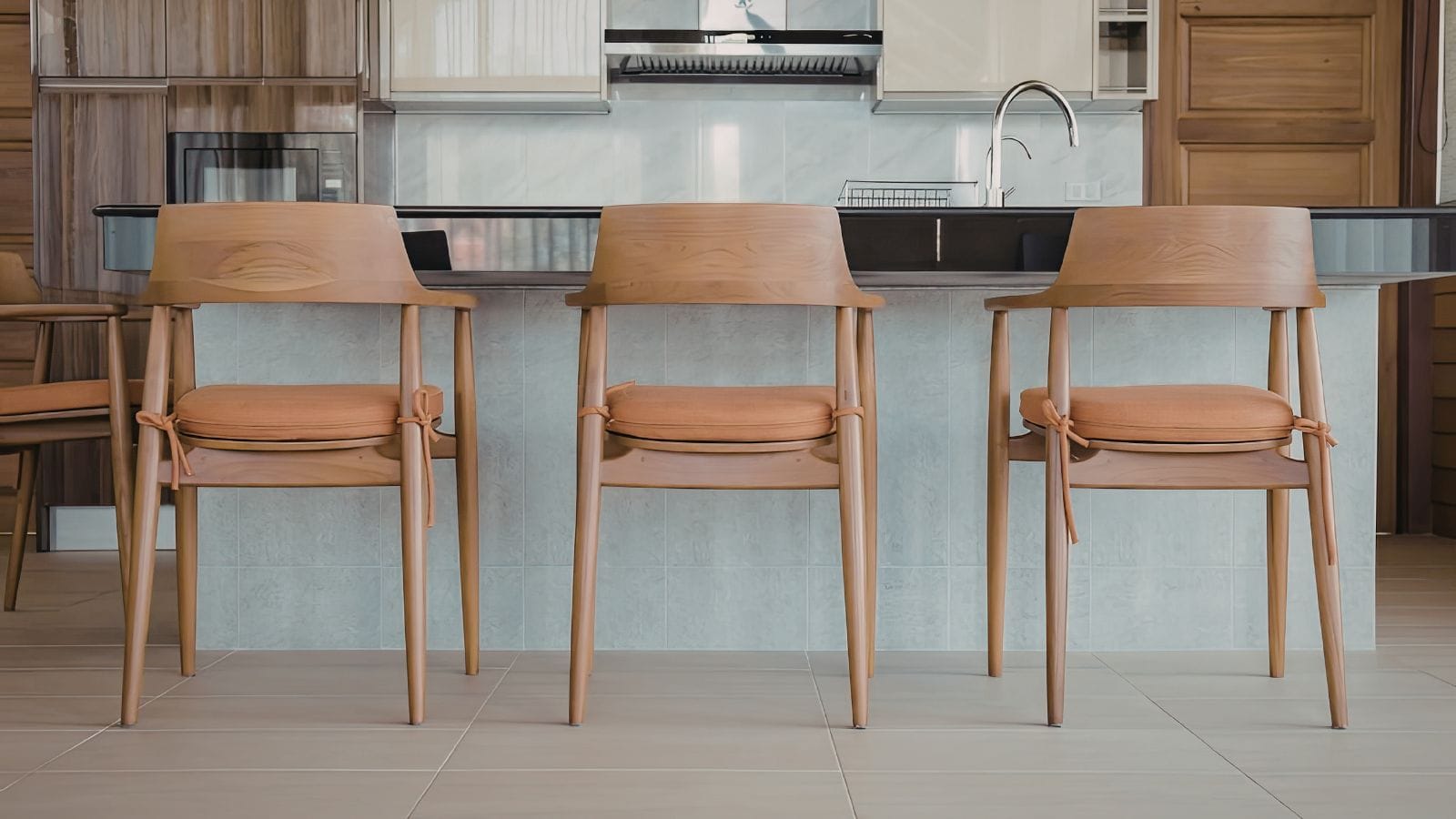
A good footrest isn’t just a nice extra—it’s essential for proper posture and comfort. Without somewhere to rest their feet, people’s legs dangle, which gets uncomfortable fast. Look for stools with built-in footrests about 6 to 8 inches above the floor.
Seat Depth and Cushioning
Seats that are too deep force people to sit forward awkwardly. Aim for about 16 to 18 inches of seat depth. For cushioning, thicker isn’t always better. High-density foam with quality upholstery holds its shape longer than thick but cheap padding that flattens quickly.
Armrests: Yes or No?
Armrests add comfort but also add width. Measure carefully if you’re squeezing multiple stools along your island. Also check that stools with arms can still slide under your counter if that matters to you.
Also see: Where to Buy the Best Bar Stools? Top 10 Picks & Style Guide
Bonus: How Many Stools Do You Need?
Figuring out the right number keeps your island from feeling crowded or empty.
1. The 24-30 Inch Rule
Most stools need about 24 to 30 inches of width per person. For comfortable spacing, allow 6 to 10 inches between stools so people don’t feel squished.
2. Corner Islands Need Extra Care
If your island has rounded corners, stools placed at the ends often face inward. This uses space efficiently but watch for legs interfering with each other or people bumping knees on corners.
3. Quick Calculation
Measure your island’s usable length (where people can actually sit without blocking walkways). Divide by 24 to 30 inches. That’s your maximum comfortable number of stools.
Style Tips: Matching Your Kitchen’s Vibe
Your stools should feel like they belong in your kitchen, not like an afterthought.
- Farmhouse kitchens: Wood stools with turned legs, woven seats, or a painted finish. Wicker adds charming texture.
- Modern kitchens: Clean lines, metal frames, leather seats, or minimalist backless designs. Stick to neutral colors or bold single hues.
- Coastal kitchens: Light woods like oak or beach, rope-wrapped frames, whitewashed finishes. Keep things airy and relaxed.
- Industrial kitchens: Metal stools with worn patinas, reclaimed wood seats, exposed rivets and hardware. Think urban loft.
- Transitional kitchens: Mixed materials like wood and metal, classic silhouettes with modern twists. These fit almost anywhere.
Conclusion
Choosing the perfect bar stools for your kitchen island doesn’t need to be complicated. Start with measurements—they’re non-negotiable. Match stool height to counter height, then let your lifestyle guide the rest.
Think honestly about how you use your kitchen. Do kids eat every meal there? Prioritize easy-clean vinyl or leather. Do you host frequent dinner parties? Full-back swivel stools will keep guests comfortable. Is your kitchen small? Backless stools that tuck away completely save precious space.
The best stools balance three things: they fit your space properly, suit your daily habits, and make you smile every time you see them. Take your time, test a few options if you can, and trust your instincts.
FAQ
1. What’s the standard height for kitchen island stools?
For a standard 36″ counter, look for stools 24″ to 26″ tall. Always measure your specific counter to be sure.
2. Can I mix different stool styles around one island?
Absolutely! Matching styles but different materials—like two wood and two woven—creates an intentional, collected look. Just keep heights consistent.
3. Are backless stools comfortable for long periods?
They’re fine for quick meals but lack support for extended sitting. For lingering, choose stools with backs.
4. How much space do I need between stools?
About 6 to 10 inches between stools works well. This gives everyone elbow room without wasting space.
5. What’s the best material for homes with kids?
Vinyl or leather wins for families. It wipes clean instantly, stands up to spills, and still looks good. Metal frames with these materials are practically indestructible.