







 Meet&Co
Shopping for a bar stool sounds simple until you‘re standing in your kitchen with a tape measure, trying to figure out whether 24 inches or 28 inches is right.
If that sounds familiar, you are in the right place. This guide walks you through everything a first-time bar stool buyer needs to know — no confusing size charts or design jargon. Just practical steps to help you find a stool that actually fits.
In this guide from Meet&Co, we cover how to measure your counter, what to look for in a beginner-friendly stool, and three solid picks to get you started — including our own classic bar stool and two other crowd favourites.
Before You Buy: The One Measurement That Matters Most
Most people start by looking at stool styles. Do not do that yet. Measure first.
The 9–12 Inch Rule
The basic guideline is simple: there should be 9 to 12 inches between the top of your stool seat and the underside of your counter or bar. That gap gives your legs room to fit comfortably under the counter without feeling squished.
How to find your ideal seat height:
-
Measure from the floor to the underside of your counter or bar.
-
Subtract 10 to 12 inches (the recommended legroom gap).
-
That number is roughly the stool seat height you need.
A quick example: If your counter is 36 inches high, subtract 10–12 inches → you need a stool with a seat height of around 24–26 inches.
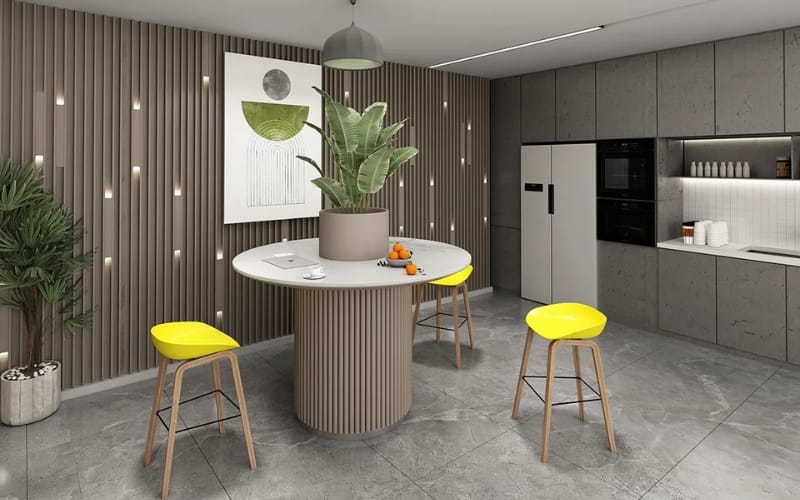
Counter Stool vs. Bar Stool
This is where a lot of beginners get confused. Counter and bar stools are similar, but they are not the same
| Type | Counter Height | Seat Height | Typical Use |
|---|---|---|---|
| Counter stool | 35–37 inches | 24–27 inches | Kitchen islands, breakfast counters |
| Bar stool | 40–42 inches | 28–32 inches | Home bars, pub tables, high counters |
If you put a bar stool (28–32 inches) under a standard 36-inch counter, knees will hit the underside. If you put a counter stool (24–27 inches) under a 42-inch bar, elbows will feel awkward reaching up.
The takeaway: never guess from photos alone. Always check the seat height on the product page before buying.
Three Beginner-Friendly Choices for Seat Type
Once you have the height right, think about the shape and style of the seat. Most bar stools fall into one of three categories. Here is how they compare.
| Type | Best for | Pros | Cons |
|---|---|---|---|
| Backless | Small kitchens, minimalists, short-term sitting | Slides fully under counter, lightweight, makes space look bigger | No back support, not for long chats |
| Low back | Everyday use, moderate back support | Slim profile, subtle support, better posture | Cannot fully tuck under, less common |
| Full back | Long sitting sessions, dining, home office use | Excellent lumbar support, feels like a real chair | Visually heavy, cannot tuck under counter |
Designer‘s insight: In a small kitchen with limited walkway space, backless stools are often the smart choice. They slide completely under the counter and keep the room feeling open. But if your kitchen doubles as a dining space or home office, a low back or full back is worth the extra space for better comfort during long hours.
3 Beginner-Friendly Bar Stools Worth a Look
Here are three solid picks that work well for first-time buyers.
1. Meet&Co Bar Chair — Best for Simple, Clean Design
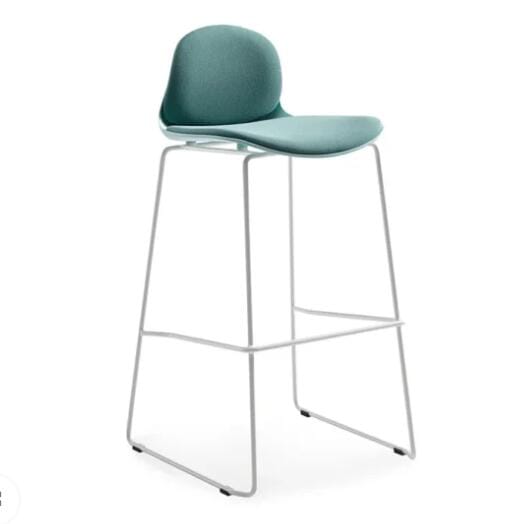
If you are looking for a no‑fuss, sturdy bar stool that fits almost any space, this is a great place to start. The Meet&Co Bar Stool is designed with clean lines and a minimalist silhouette, so it blends in without competing for attention.
The seat and structure are made from high‑quality materials that hold up to daily use — wobbling is not a problem here. It comes in multiple finishes, allowing you to match it to your existing decor. Assembly is straightforward, and the stool is lightweight enough to move around but sturdy enough to feel reliable.
Best for: First-time buyers who want something simple, durable, and easy to match with existing furniture. Also great for small kitchens where backless stools make the most sense.
Key strengths: Clean minimalist design, multiple finish options, sturdy build, easy assembly.
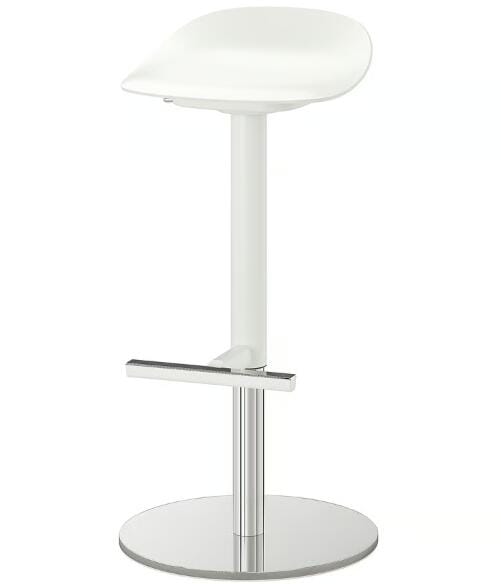
2. IKEA JANINGE Bar Stool — Best for Adjustable Height and Restaurant‑Grade Durability
https://www.ikea.com/us/en/p/janinge-bar-stool-white-70246089/
The IKEA JANINGE is a popular choice for good reason. It is an adjustable-height bar stool that works with a wide range of bar heights: suitable for bars between 35 inches and 43 inches high. The seat height adjusts easily with one hand, so you are not locked into a fixed position.
What makes the JANINGE especially beginner-friendly is its durability. It is tested for public use and meets commercial safety and stability standards. The seat is scooped for comfort and has a special scratch‑resistant surface treatment. A footrest helps with relaxed sitting, and reviewers consistently note that it feels solid, well‑made, and looks far more expensive than it actually costs.
The seat cushion is also removable for easy cleaning — a thoughtful detail that busy households will appreciate. And the minimalist white colourway fits almost any decor without clashing.
Best for: First-time buyers who want a stool that works for multiple uses — kitchen island, home bar, even an office desk — and grows with them as they figure out what they like.
Key strengths: One‑hand height adjustment, commercial‑grade durability, scratch‑resistant seat, footrest, removable cushion.
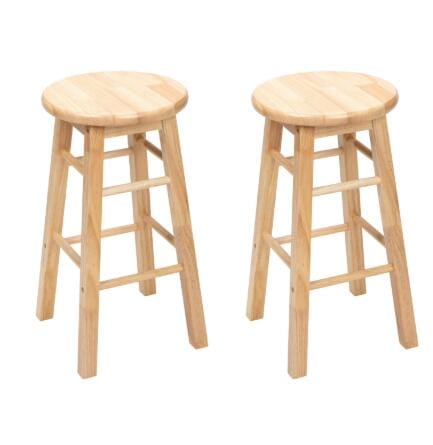
3. Mainstay Basic Counter Stool — Best Budget Pick for Beginners
https://www.walmart.com/ip/24-ROUND-BARSTOOL/15370301610?classType=REGULAR&athbdg=L1200
If you are not ready to spend much on your first stool, the Mainstay Basic Counter Stool is a practical place to start. It is simple, stable, and does exactly what a bar stool is supposed to do.
The stool features a solid wood base and a classic seat that is comfortable for short to medium sitting sessions. Assembly takes about 15 minutes, and the stool is lightweight enough to move around easily.
The seat surface is durable and easy to wipe clean. A built-in footrest adds stability and comfort. The backless design makes it easy to tuck the stool completely under the counter — a huge plus for small kitchens.
It is not the most feature-packed or luxurious stool, but for a first purchase or for occasional use, it is hard to argue with the value.
Best for: First-time buyers on a tight budget, occasional use, guest seating, or anyone who wants a simple, functional stool without spending much.
Key strengths: Very affordable, solid wood base, backless design for easy storage, footrest included.
Quick Comparison Table
| Stool | Best For | Seat Height Range | Back Type | Adjustable | Storage Style |
|---|---|---|---|---|---|
| Meet&Co Bar Stool | Simple, clean design, small kitchens | Fixed (measure your counter) | Backless | No | Slides completely under counter |
| IKEA JANINGE | Adjustable needs, multi‑purpose use, durability | 56–76 cm (approx 22–30 inches) | Contoured scoop (low profile) | Yes | Partial tuck |
| Mainstay Basic Counter Stool | Budget, occasional use, small spaces | Fixed (counter height) | Backless | No | Slides under counter |
The Footrest: A Small Feature That Makes a Big Difference
Here is a detail most beginners overlook: the footrest.
Bar stools are taller than regular dining chairs. Without a footrest, your legs hang unsupported, which puts pressure on the backs of your thighs and can lead to discomfort over time.
A good footrest is placed low enough that your feet rest naturally, not stretched or cramped. The position and material also affect safety — a footrest that is too small or slippery can make climbing on and off the stool awkward for kids or guests. Stools like the IKEA JANINGE include a sturdy, well‑positioned footrest for relaxed sitting.
Tip from our design team: We once tested a pair of bar stools without footrests for a home bar setup. After 15 minutes, everyone was swinging their legs. Within an hour, no one wanted to sit there. A footrest is not a luxury — it is ergonomic necessity.
How Many Stools Will Fit?
Once you have chosen your stool, you need to know how many will actually fit along your counter.
The 6‑Inch Rule
As a rule of thumb, allow 6 to 12 inches between the sides of each stool at minimum. That translates to about 26 to 30 inches from the centre of one stool to the centre of the next. For a standard 6‑foot (72‑inch) counter, that usually means 3 to 4 stools, depending on how much elbow room you want.
Measure your counter length first. Avoid guessing — fewer stools that are correctly spaced work better than too many stools crammed together.
Material Basics: What Beginners Should Know
You do not need to become a material expert, but a quick overview helps.
-
Wood: Warm, timeless, sturdy. Can dent or scratch with heavy use.
-
Metal: Sleek, strong, often lighter. Can feel cold or noisy.
-
Plastic: Lightweight, affordable, easy to clean. Less durable for heavy daily use.
-
Upholstered: Comfortable, luxurious. Needs more upkeep — stains and spills are a real risk in busy households.
For your first bar stool, a simple wood or metal option with a solid footrest is usually a safe bet. Leave the upholstered swivel models for your second or third purchase, once you know exactly what you want.
Also see:
- What is a Bar Table? The Ultimate 2026 Buying Guide
- How to Choose Bar Stools for Different Counter Heights
Frequently Asked Questions (FAQ)
1. What is the most common mistake first-time bar stool buyers make?
Skipping the measurement step. Many people fall in love with a stool‘s look, buy it based on photos, and then discover it is the wrong height — either knees hitting the counter or elbows stretching awkwardly. Always measure your counter height first and check the stool‘s seat height before clicking “buy”.
2. Do I need a stool with a back?
It depends on how long you will sit. For quick breakfasts and short chats, backless stools are fine — they slide under the counter and save floor space. If you plan to work from the counter, do homework there, or host long dinners, a stool with a back will be more comfortable over time.
3. What is the easiest bar stool to assemble for a beginner?
The IKEA JANINGE is known for clear instructions and a straightforward assembly process. The Mainstay Basic stool is also beginner-friendly, taking about 15 minutes to put together. For those who prefer an even simpler option, some retailers offer fully assembled stools that land on your floor ready to use.
4. Can I use a bar stool as an office chair?
Yes, for short periods. Adjustable-height bar stools like the IKEA JANINGE can double as standing-desk companions or occasional office seating. However, dedicated office chairs offer better lumbar support, seat depth adjustment, and overall ergonomics for full workdays.
Final Thoughts
Buying your first bar stool should not feel like a research project. Focus on the basics:
-
Measure your counter height first.
-
Apply the 9–12 inch rule to find the right seat height.
-
Choose between counter height and bar height based on your surface.
-
Decide whether backless, low back, or full back fits your sitting style.
-
Look for a stool with a sturdy footrest — your legs will thank you.
With those steps, you will avoid the most common beginner mistakes. And remember: you do not have to get it perfect on the first try. A good quality stool at a reasonable price — like any of the three options above — is a fine place to start. You can always add, swap, or upgrade later.
The most important thing is this: when you finally sit down at your counter with the right stool, you will know. No shins hitting the underside. No knees cramped against the overhang. Just you, your morning coffee, and a seat that actually fits.
Looking for more beginner-friendly furniture guides? Check out our posts on small-space dining solutions and how to measure for conference seating.



_35.webp)
