





 Meet&Co
If you’re living in a small apartment, you probably know the feeling. Every square foot matters. You want your space to feel open and comfortable, not cramped and cluttered.
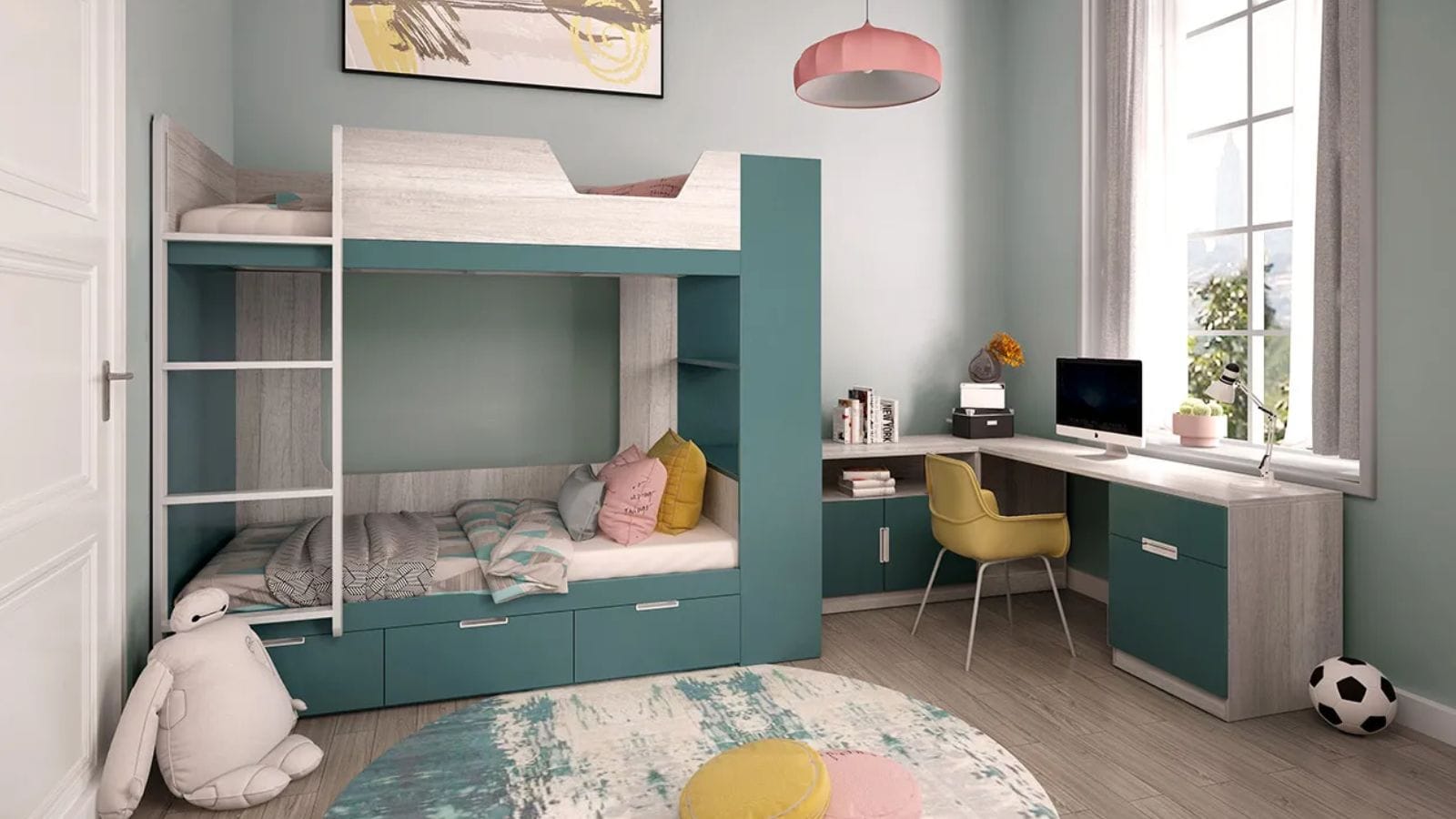
That’s where a bunk bed can be a real game‑changer. By stacking two sleeping spaces vertically, you free up floor space for other things — maybe a small desk, a reading nook, or just room to breathe. And when the bed is made of solid wood, it adds warmth and durability that cheaper materials just can’t match.
This guide is here to help you find the right wood bunk bed for your small apartment. We’ll talk about what to look for, how to measure your space, and four great options. Let’s dive in.
Why a Wood Bunk Bed for a Small Apartment?
A well‑designed bunk bed takes up roughly the same footprint as a single bed while providing two sleeping spaces. For a small apartment or a shared bedroom, that’s huge. The freed‑up floor area can make the difference between feeling boxed in and feeling comfortable.
Wood bunk beds are especially popular because they offer a natural, timeless look that fits many decor styles. They tend to feel warmer and more solid than metal frames. And with proper care, a quality wood bunk bed can last for many years — sometimes even through several stages of life.
Bunk beds aren’t just for kids either. Plenty of adults use them in studio apartments, vacation cabins, or guest rooms. The key is choosing the right design and configuration for your needs.
What to Look for in a Small‑Space Bunk Bed
Before we get to the specific beds, let’s walk through a few things to keep in mind. These are the questions you’ll want to ask yourself before you buy.
1. Measure Your Ceiling Height First
This is the most important step — and the one people sometimes skip.
A good rule of thumb is to leave at least 36 inches of clearance between the top of the mattress and the ceiling. That gives you enough room to sit up comfortably without bumping your head. For adults, you might want even more space — around 42 inches is a safer bet.
If your apartment has lower ceilings (say, around 7 or 8 feet), don’t worry. There are low‑profile bunk beds designed specifically for tight spaces. Some models sit around 50–60 inches tall, leaving plenty of headroom on the top bunk. Just measure your ceiling before you start shopping.
2. Look for Smart Storage Features
In a small apartment, storage is precious. Some bunk beds come with built‑in drawers underneath the lower bunk. Others have shelves integrated into the sides or a staircase with hidden compartments. Every little bit helps.
If a bed doesn’t have built‑in storage, you can still make use of the space underneath with rolling bins or shallow drawers. That area is too valuable to waste.
Also see: Best Loft Bed with Desk: 4 Top Picks for Every Budget
3. Check the Material and Build Quality
Solid wood (like pine, New Zealand pine, or birch) is generally stronger and more durable than particleboard or MDF. It can handle daily use, climbing, and the occasional jump without falling apart.
That said, not everyone needs a heirloom‑quality bed. Some engineered wood products are perfectly fine for light to moderate use. Just be aware of what you’re getting. If a bed feels wobbly or the materials look thin, it might not hold up over time.
4. Think About the Ladder or Stairs
How easy is it to climb up to the top bunk? A well‑designed ladder should have wide, comfortable rungs and attach securely to the frame. Some beds offer angled ladders, which are easier to climb than vertical ones.
If you have small children or anyone with mobility concerns, a staircase might be a better fit. Stairs take up more floor space, but they’re much safer and easier to use. Some staircases even double as storage drawers — a great space‑saving win.
5. Make Sure It Can Separate (If You Want That)
Some bunk beds can be taken apart into two individual twin beds. This is a thoughtful feature if you think your needs might change down the road. Maybe the kids will want separate rooms later. Maybe you’ll move to a bigger place. Having the option to convert the bed adds flexibility.
4 Wood Bunk Beds for Small Apartments
| Bed | Best For | Key Feature | Mattress Size | Converts to 2 Beds? |
|---|---|---|---|---|
| Meet&Co Bater Bunk Bed with Desk | Maximizing every inch | Built‑in desk underneath | Twin over twin | Unknown |
| Max & Lily Low Bunk Bed | Low ceilings, young kids | 50‑inch total height, 14″ guardrails | Twin over twin | Yes |
| Storkcraft Long Horn Bunk Bed | Versatility, future‑proofing | Converts to 2 twin beds | Twin over twin | Yes |
| DHP Miles Low Metal Bunk Bed | Low ceilings, budget | 54‑inch total height | Twin over twin | No |
4 Wood Bunk Beds Worth a Look
Here are four solid options for small apartments. Each one has its own strengths, so think about what matters most to you.
1. Meet&Co Bater Bunk Bed with Desk
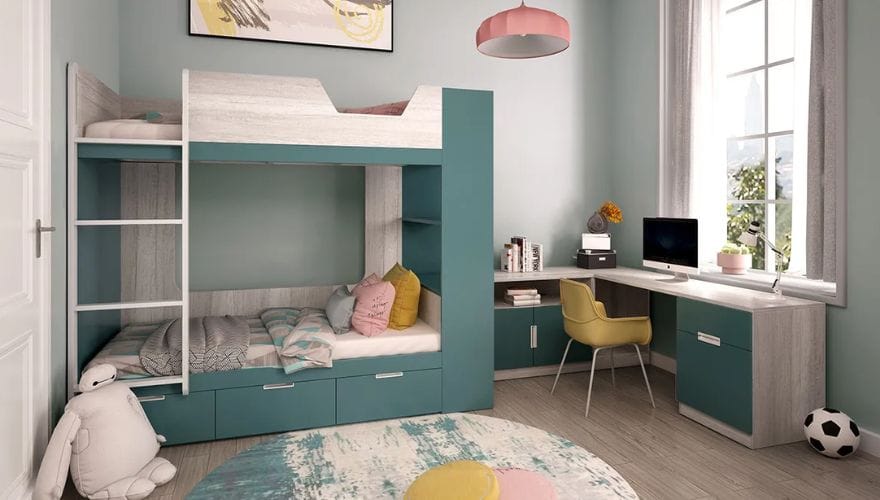
If you’re trying to fit a home office or study area into a small bedroom, this bed is a smart choice. It combines a twin‑over‑twin bunk bed with a built‑in desk underneath the lower bunk. That means you get two sleeping spaces plus a dedicated workspace — all in roughly the same footprint as a single bed.
The desk area is roomy enough for a laptop, books, or homework. The design is clean and modern, with a solid wood construction that feels sturdy without looking bulky. Because everything is built in, you don’t need to buy a separate desk or find extra floor space for one.
Who this bed is for: Small apartments where you need both a guest bed and a workspace. Great for students, remote workers, or anyone who wants to make every inch count.
Why it’s a great pick: The built‑in desk is a thoughtful touch. Instead of just stacking beds, this design actually adds functionality to the room.
2. Max & Lily Low Bunk Bed
https://maxandlily.com/products/kids-twin-size-low-bunk-bed?srsltid=AfmBOor_ctSWAOFy6EusLUTL3uZanXqmsBtY-4PT8Xfh8hsouaK3i1hQ
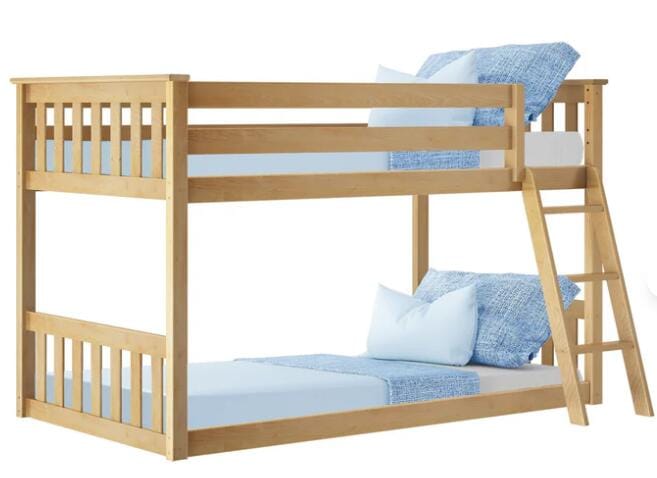
If your apartment has low ceilings or you’re buying for younger children, the Max & Lily Low Bunk Bed is worth a close look. At just 50 inches tall, it’s one of the shortest bunk beds on the market. That low profile means the top bunk feels much less intimidating, and you don’t have to worry about headroom.
The bed is made from solid New Zealand pine — a high‑quality wood that feels substantial and holds up well. The 14‑inch guardrails on the top bunk provide excellent safety, and the reversible ladder with grooved treads makes climbing easy.
The bottom bunk sits just 2 inches off the floor, which is perfect for a younger child transitioning from a crib. The bed is also GREENGUARD Gold Certified, meaning it has low VOC emissions and won’t negatively affect indoor air quality.
A nice bonus: this bed can be separated into two individual twin beds if your needs change later.
Who this bed is for: Apartments with lower ceilings, families with young children, or anyone who wants a safe, compact bunk bed without sacrificing quality.
Why it’s a great pick: The low height makes it feel much less imposing than a traditional bunk bed. It’s a great choice if you’re nervous about safety or limited on vertical space.
3. Storkcraft Long Horn Twin‑Over‑Twin Bunk Bed
https://www.storkcraft.com/products/storkcraft%C2%AE-next-long-horn-convertible-twin-over-twin-bunk-bed?srsltid=AfmBOoq3TQA-cdxqkW9yqVYsQ8V6CEj7gT5q2vkL9Wwb9Gse05W2EQ5a
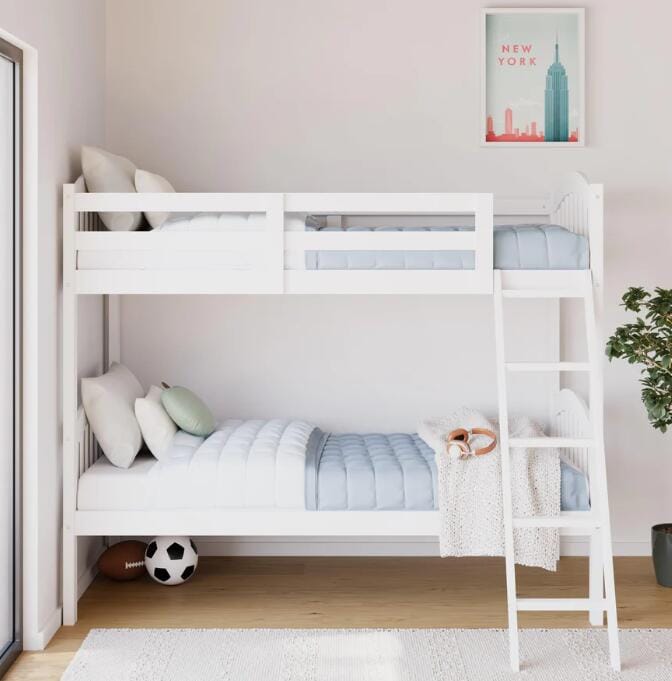
Storkcraft has been making children’s furniture for a long time, and their Long Horn model is a popular choice for good reason. It’s made from solid hardwood, which gives it a sturdy, durable feel that stands up to daily use.
The design is classic and simple — clean lines, an open slat headboard, and a natural wood finish that works with many decor styles. The built‑in ladder is secure, and the guardrails meet safety standards.
What really sets this bed apart is its versatility. It can be converted into two separate twin beds. This is a thoughtful feature if you think your needs might change down the road — maybe the kids will want separate rooms later, or you might move to a larger space. The bed is also GREENGUARD Gold Certified, which is reassuring for anyone concerned about indoor air quality.
Who this bed is for: Families who want a bunk bed that can adapt as their needs change. Also great for guest rooms where you might want the option of two separate beds later.
Why it’s a great pick: The ability to convert into two beds adds real long‑term value. You’re not locked into a bunk bed forever if your situation changes.
4. DHP Miles Low Metal Bunk Bed (with Wood Accents)
https://us.amazon.com/DHP-Guardrail-Boxspring-Required-Twin-Over-Twin/dp/B07K2W9YS9?th=1
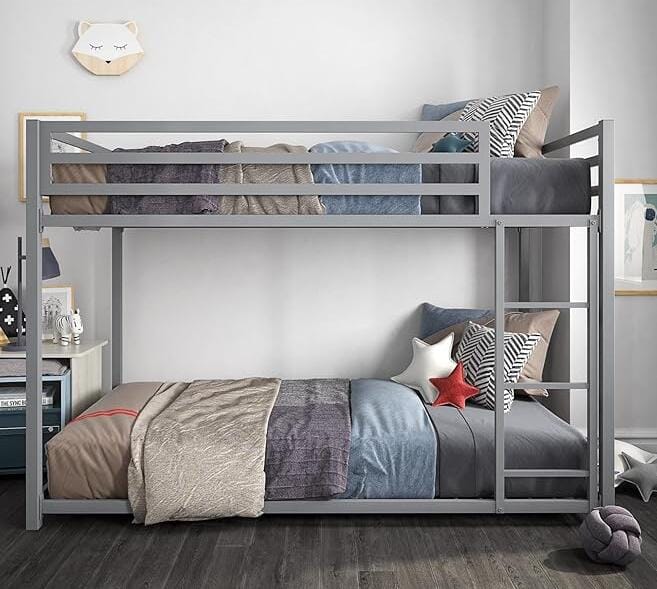
I know the title says “wood bunk beds,” but I’m including this one because it’s worth a look if you have very low ceilings. The DHP Miles is a metal bunk bed with wood accents, but its low‑profile design makes it a standout option for tight spaces.
At just 54 inches tall, it’s significantly shorter than traditional bunk beds (which often reach 60–65 inches). That extra 6–10 inches of clearance on top can make all the difference in a room with an 8‑foot ceiling.
The metal frame is sturdy and quiet — reviewers consistently mention that it doesn’t squeak or wobble. The bed includes a ladder and full‑length guardrails for safety. It’s designed for a twin‑over‑twin configuration and doesn’t convert into two separate beds, but for the price and the low height, it’s a solid value.
Who this bed is for: Apartments with very low ceilings (around 8 feet), guest rooms, or anyone on a tighter budget who still wants a safe, functional bunk bed.
Why it’s a great pick: The low height makes it usable in spaces where a standard bunk bed simply wouldn’t fit. And the price is very reasonable.
A Few More Thoughts on Choosing the Right Bed
Here are a couple of extra tips that might help as you make your decision.
Think about who is using the top bunk. If a child will be sleeping up there, look for tall guardrails (at least 5 inches above the mattress). If an adult will be using it, pay extra attention to ceiling clearance — you’ll want at least 36 inches of space above the mattress, and ideally more.
Consider assembly time. Wood bunk beds can take several hours to put together. Some people find assembly straightforward; others find it time‑consuming. If you’re not handy with tools, it might be worth paying for professional assembly or asking a friend to help.
Don’t forget about the mattress. The mattress thickness matters. A mattress that’s too thick can reduce the effective height of the guardrails, making the top bunk less safe. Most manufacturers recommend a mattress that’s 6–8 inches thick for the top bunk.
Also see: Best Bunk Beds for Kids Rooms & Teen Rooms
Frequently Asked Questions (FAQ)
1. Are bunk beds safe for adults?
Yes, but check the weight capacity first. Many bunk beds are rated for 200–250 pounds per bunk, which works for many adults but not all. If you need a heavier‑duty option, look for models with higher weight ratings (some go up to 400 pounds). Also, make sure there’s enough ceiling clearance — adults generally need at least 36 inches of space above the top mattress to sit up comfortably.
2. What is the minimum ceiling height for a bunk bed?
For a standard bunk bed, you’ll want at least 8 feet of ceiling height. That gives you enough room for the bed frame, the mattress, and about 36 inches of clearance on top. If your ceilings are lower than that, look for a low‑profile bunk bed — some are as short as 50–54 inches tall, which can work in rooms with 7‑foot ceilings.
3. Can I use a regular twin mattress on a bunk bed?
Yes, most twin‑over‑twin bunk beds are designed for standard twin mattresses (39″ x 75″). However, pay attention to the manufacturer’s recommended mattress thickness. Most bunk beds work best with a mattress that’s 6–8 inches thick. A thicker mattress (10–12 inches) might make the guardrails less effective, which is a safety concern for the top bunk.
4. How much floor space does a twin bunk bed need?
A standard twin bunk bed has a footprint of about 42–45 inches wide by 75–80 inches long. That’s roughly 3.5 feet by 6.5 feet, or about 23 square feet. For comparison, two separate twin beds would take up about 46 square feet of floor space. So a bunk bed saves you roughly half the floor area — a huge difference in a small apartment.
Final Thoughts
A wood bunk bed can transform a small apartment. It gives you two sleeping spaces in the footprint of one, frees up floor area, and adds a warm, natural look to the room.
The best choice for you depends on your space and your needs. If you have low ceilings, the Max & Lily Low Bunk Bed or the DHP Miles are both solid options. If you want a bed that can adapt over time, the Storkcraft Long Horn is worth a look. And if you’re trying to fit a home office into a small bedroom, the Meet&Co Bater Bunk Bed with Desk might be exactly what you’re looking for.