



 Meet&Co
In 2026, the best fabric for couches isn’t just about what looks good in a showroom. We’ve entered the era of Performance with Purpose. Consumers are no longer willing to trade their health for stain resistance. The focus has shifted toward chemically safe fabrics (PFAS-free), incredibly durable (high Martindale scores), and sustainably sourced. Whether you’re nesting in a cloud sofa or looking for a structured mid-century piece, your fabric choice will determine how much you actually enjoy your living room.
In this guide, the Meet&Co team will show you the best fabric for couches. We’ll show you how to choose one and what’s trending in 2026.
Quick-Reference: Best Fabric by Category
If you’re in a hurry to get to the showroom, here is the cheat sheet for 2026.
| Lifestyle Category | Best Fabric Pick | Why It’s the 2026 Winner |
| Active Family (Kids/Pets) | PFAS-Free Microfiber | Unbeatable stain resistance without the “forever chemicals.” Tight weave resists pet hair and claw snags. |
| High Luxury & Status | Top-Grain Leather | It’s the only material that looks better at age 10 than at age 1. Hypoallergenic and wipes clean instantly. |
| The Cat Owner’s Secret | Performance Velvet | Cats hate the feel of velvet on their claws (no loops to pull), and hair sits right on the surface for easy vacuuming. |
| Aesthetic Minimalist | Performance Linen Blend | Gives you that breezy, “Hamptons” look but uses a poly-blend to prevent the sagging and wrinkling of 100% linen. |
| Eco-Conscious | Recycled Wool or Hemp | High durability, naturally fire-resistant, and supports a circular economy. |
| Maximum Durability | Solution-Dyed Acrylic | The color is baked into the fiber. You can practically clean this with a mild bleach solution without fading. |
The Big Three Fabric Categories
Choosing the right fabric is just as important as picking the couch’s style.
1. Synthetic & Performance (The Workhorses)
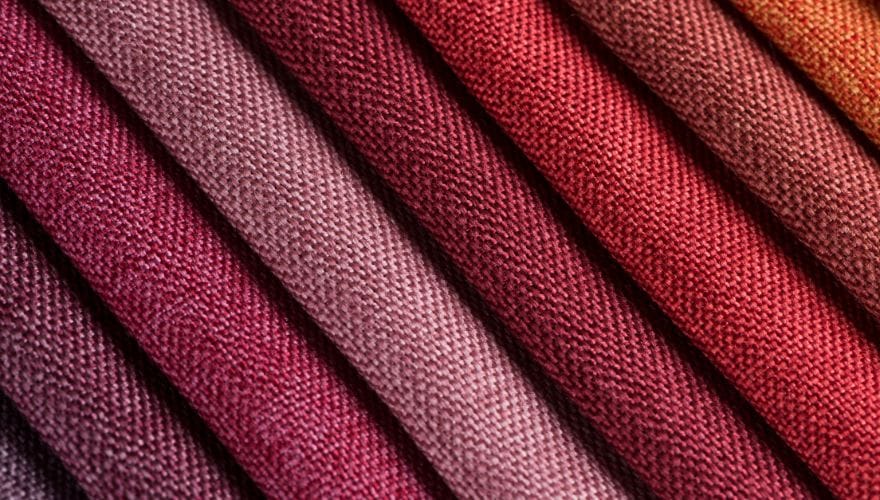
These fabrics are built for real life. They are the champions of durability and easy care.
- Microfiber: Still the heavyweight champion. Made of super-fine, densely woven fibers, it’s incredibly soft yet tough, resisting stains, scratches, and pet hair. It’s a top choice for busy households and is generally easy to clean with a damp cloth.
- Performance Brands (Crypton, Revolution): Think of these as the “tech” fabrics. The best ones in 2026 use solution-dyed yarns, where color is part of the fiber itself. They’re highly resistant to fading, stains, and even bleach for cleaning, ideal for families or anyone who wants to relax without constant worry.
2. Natural Fibers (The Comfort Kings)
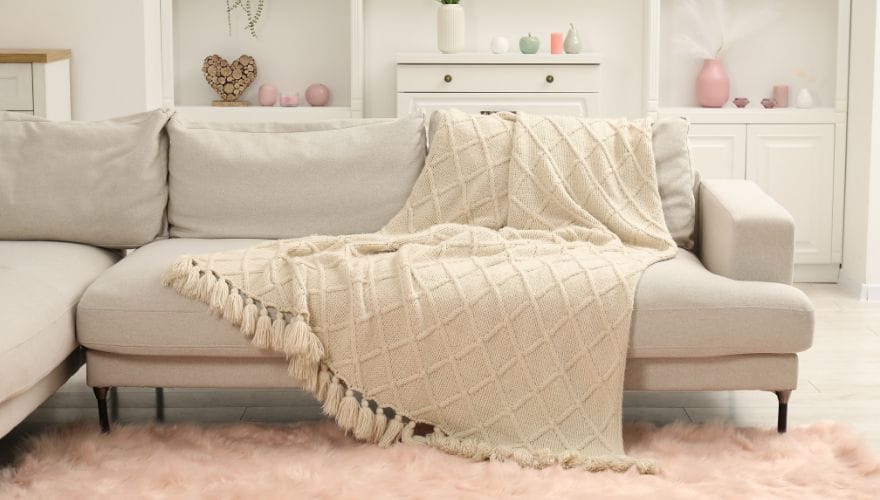
These fabrics are all about luxurious feel and breathability, but they require a bit more care.
- Cotton & Linen: The gold standard for a cool, soft, and breathable feel, perfect for warm climates. However, they can wrinkle easily and are more prone to staining unless treated with a protective finish.
- Wool: A true miracle fiber that’s often overlooked. It’s naturally flame-retardant, elastic (so it resists sagging), and has a natural coating that repels light spills. It’s durable and provides great year-round comfort.
3. The Hybrid Blends (The Best of Both Worlds)
This is where most modern sofas land because it’s the smartest compromise. Blends (like 80% polyester, 20% linen) give you the textured, high-end look of natural fibers combined with the stain resistance and durability of synthetics. It’s the perfect choice for achieving a stylish, Pinterest-worthy couch that can actually survive daily life, kids, and movie nights.
Quick Tip: Always ask for a fabric sample. Feel it, test it with a drop of water, and see how the color looks in your home’s light before deciding.
The Technical Checklist: Don’t Buy Without These
Before you fall in love with a color, look at the back of the swatch for these three metrics:
The “Forever Chemical” Warning: In 2026, avoid fabrics treated with PFAS for stain resistance. Look for Oeko-Tex Standard 100 or Greenguard Gold certifications to ensure your couch isn’t off-gassing harmful chemicals into your home.
The Martindale Rub Test
This is a machine-led test that simulates sits.
- 15,000–20,000: Light use (Fine for a formal sitting room).
- 25,000–30,000: Heavy domestic (The “sweet spot” for families).
- 50,000+: Commercial grade (Overkill for home, but it will last forever).
Cleaning Codes:
| Code | Meaning | Cleaning Method |
| W | Water-based | Use water and mild soap. The easiest to maintain. |
| S | Solvent-based | Dry-clean only. Requires professional chemicals. |
| W/S | Both | Can use water or solvents. Very versatile. |
| X | Vacuum Only | Do not use liquids. Rare and very high-maintenance. |
Also see: How to Clean Microfiber Couches?
2026 Design & Color Trends
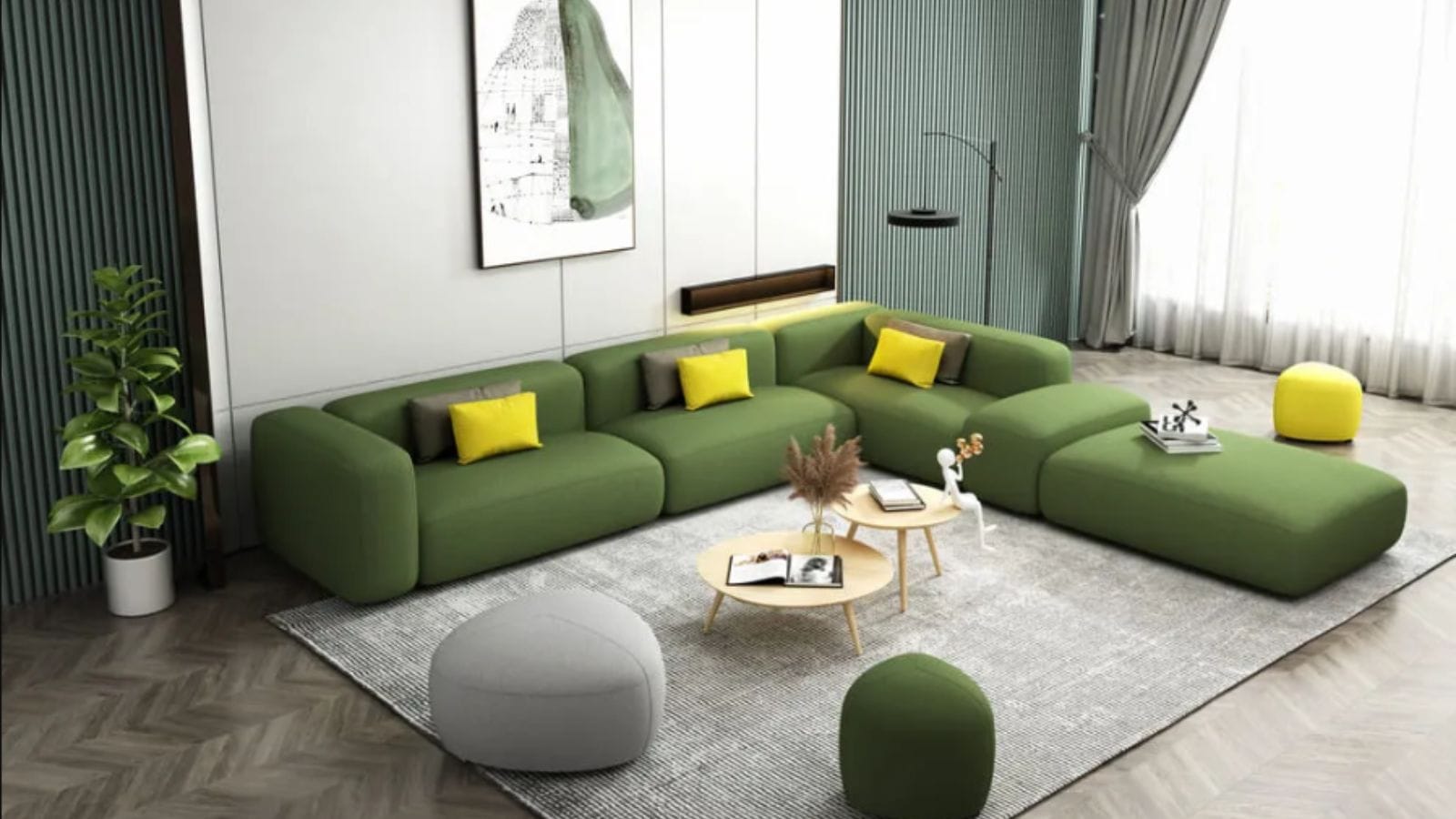
In 2026, we are officially saying goodbye to the “Millennial Gray” era. Homeowners are craving warmth, tactile comfort, and a connection to nature. Here is what is dominating the design world this year:
1. The “Warm Neutral” Takeover
Move over, cool grays. The new neutrals are all about creating a grounded, welcoming feel. Rich earth tones are taking center stage.
- Universal Khaki & Buttery Tans: These soft, warm hues are the new go-to for a versatile canvas that still feels cozy.
- Clay, Terracotta & Cocoa Brown: Think of these as “nature’s neutrals.” These deeper earthy colors add Mediterranean warmth and modern sophistication.
2. “Grown-Up” Pastels
Pastels have matured. This year’s palette features soft, muted tones that add personality without being loud.
- Dusty Mauve & Soft Lavender: These pair perfectly with natural wood and black accents for a gentle pop of color.
- Sage & Olive Green: Considered the new bio-inspired neutrals, these greens bring a sense of calm and nature into any space.
3. The Tactile Renaissance (Texture is Everything)
In 2026, how a fabric feels is just as important as how it looks. Designers are building depth by mixing different textures.
- Durable Bouclé: We’re seeing a tighter, flatter weave of this trendy fabric that’s more practical and less prone to pilling.
- Plush Chenille: Heavy, ultra-soft chenilles are making a major comeback—perfect for a sofa you can really sink into.
- Lived-In Leather: The trend is for leathers with a sun-drenched patina. People want pieces that age beautifully and show natural character over time.
4. Bold Pattern Mixing Returns
Minimalism is taking a break. Expect to see a confident return to large-scale, expressive patterns.
- Statement Prints: Tapestry-inspired fabrics and modern jacquards are showing up on sofas and armchairs as the main attraction.
- Confident Layering: These bold patterns are often balanced with solid-colored pillows in contrasting textures for a curated, layered look.
In short, 2026 is about choosing fabrics that feel as good as they look, bringing natural warmth and rich texture into the heart of your home.
How to Read a Fabric Swatch
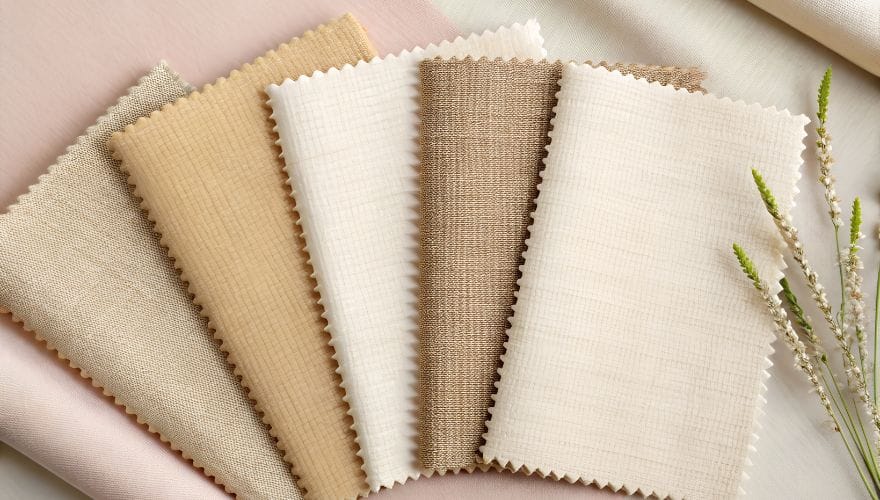
When you order swatches (and you should order them), don’t just look at the color. Flip it over and check the spec sheet.
- Check the Composition: If it’s 100% Rayon or Viscose, be careful—these fibers can “bruise” or change texture if they get wet. Aim for a high Polyester or Acrylic content for durability.
- Look for “Pilling” Grades: It’s usually rated 1–5. A Grade 5 means the fabric is highly resistant to those annoying little fuzzy balls that form on the surface.
- The “Scratch & Stretch” Test: Take your car keys and give the swatch a good scrape. Does it snag? Now pull it diagonally. Does it snap back, or does it stay distorted? You want a fabric with memory.
- Lightfastness: If your couch is going in a sun-drenched room, look for a high Lightfastness rating (usually Class 4 or 5) to prevent your navy couch from turning purple in two years.
Special Considerations: Pets vs. Kids
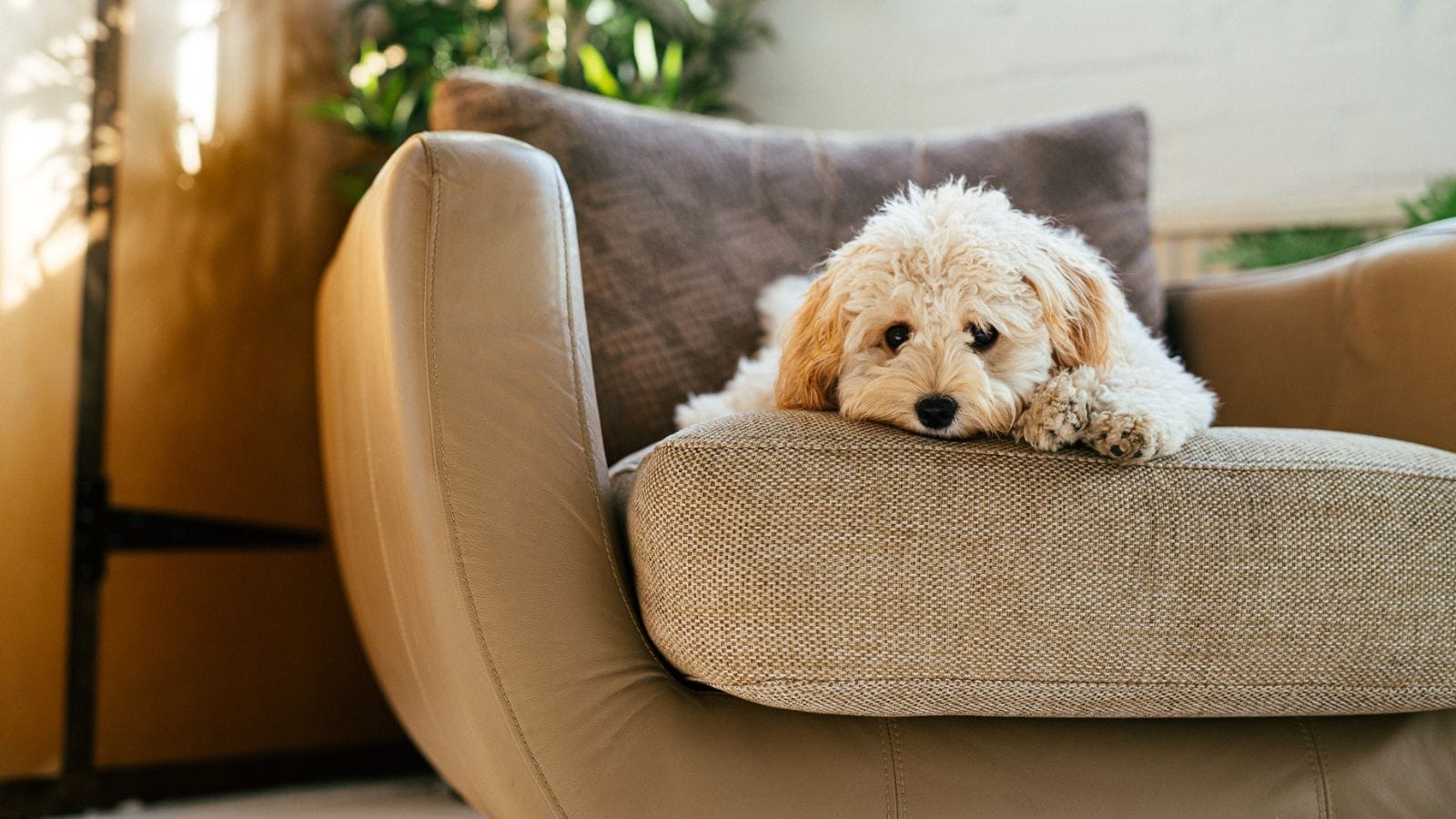
- For the Cat Owners: Avoid loops. Anything nubby like bouclé or loose-weave linen is a giant scratching post to a cat. Velvet is actually your best friend here — cats generally don’t like the feel of it on their claws, and there’s nothing to snag.
- For the Toddler Parents: Go for Solution-Dyed Acrylics. These were originally designed for outdoor furniture but have been softened for indoor use. You can literally spill grape juice on them and wipe it away without a trace.
Also see:
- The Simple Guide to Buying Pet-Friendly Couches
- Best Couch Material for Cats: Cat-Friendly Sofa Buying Guide
- Best Couch Materials for Dogs: Dog-Friendly Sofa Guide
FAQs
1. What is the most durable fabric for a couch with pets?
In 2026, Microfiber and high-quality Leather remain the champions. Microfiber is a synthetic with a weave so tight that pet hair can’t embed and claws can’t easily snag. Leather is great because it doesn’t hold odors and can be wiped clean, though “distressed” leather is better if you’re worried about scratches.
2. What does a “Code W” cleaning label mean?
Code W means the fabric can be cleaned with water-based cleaning agents. This is the most “DIY-friendly” fabric. If you have kids or spill-prone adults, always look for Code W. Code S requires specialized solvents and is much harder to maintain.
3. Is a 20,000 Martindale score good?
A score of 15,000–20,000 is considered “General Domestic” use. For a main living room couch that sees daily action, kids, or pets, you should aim for 25,000 to 30,000+ to ensure the fabric doesn’t thin or pill within a few years.
4. Why is everyone talking about PFAS-free couch fabrics?
PFAS (Per- and Polyfluoroalkyl Substances) are “forever chemicals” historically used to make fabrics stain-resistant. In 2026, health-conscious buyers are avoiding these due to environmental and health concerns. Brands like Revolution and Crypton Home now offer stain resistance without using these harmful chemicals.
_4.webp)
_12-1.webp)