





 Meet&Co
You have probably seen it happen. A brand‑new plastic chair arrives, looks great, feels solid. Six months later, the legs wobble. A year later, a crack appears. And before you know it, you are shopping for replacements again.
So here is the honest question: are plastic chairs actually built to last? Or are they just designed to look good enough until you figure out they are not?
The answer is not a simple yes or no. Some plastic chairs truly are built to last. Others are designed to look decent for a season or two, then quietly fall apart.
This guide will help you tell the difference. No complicated engineering talk. Just practical things to look for — and look out for.
Why Some Plastic Chairs Fail Fast
Let us start with what goes wrong. According to furniture industry analysts, a single day in a commercial environment can subject a chair to more stress than a residential chair would experience in 5 to 8 years—hundreds of sits, multiple movements across floors, and constant stacking. When you multiply that across a whole year, even a seemingly minor design flaw can become a major problem.
Here are the common reasons plastic chairs fail earlier than expected.
The Material Is Too Light for Real Use
Not all plastic is the same. Basic polypropylene (PP) chair bases are lightweight and affordable, but they can become brittle under repeated use and temperature changes. The material simply does not have the density to handle daily stress over time.
Higher‑grade plastics, by contrast, are engineered to resist cracking and fatigue. The difference lies in how the material behaves under repeated use, not just in a one‑time pressure test.
UV Exposure Slowly Weakens the Structure
Sunlight does more than fade colour. It breaks down the molecular chains in plastic over time. Without proper UV stabilisation, plastic gradually becomes brittle. Indoor use is generally safer, but many plastic chairs are moved between spaces, and even indirect sunlight can degrade lower‑quality materials.
Well‑made chairs have UV inhibitors mixed directly into the material, not just sprayed on the surface. That internal protection lasts much longer.
Stress Concentrates in the Same Spots Every Time
Every time someone sits down, the chair flexes slightly. Over thousands of cycles, that repeated micro‑stress focuses on the same points — leg joints, seat connection zones, backrest transitions. Eventually, cracks appear. This is not about one heavy load breaking the chair. It is about many smaller loads adding up over time.
Low Wall Thickness Means Low Durability
The single biggest physical difference between a standard chair and a heavy‑duty one is wall thickness. Thicker plastic in the legs, seat, and backrest gives the chair more structural strength. Thin plastic might look fine in a showroom, but it will flex and eventually crack under daily use.
What Actually Makes a Plastic Chair Durable
Here are the features that separate a lasting chair from a temporary one.
High‑Density Material (Not Just “Plastic”)
Look for chairs made from high‑density polypropylene (PP) or glass‑filled polypropylene. The glass fibres add rigidity and prevent cracking. Some commercial‑grade models use reinforced nylon (sometimes called “engineering plastic”), which has higher tensile strength and better fatigue resistance than standard PP.
Avoid chairs that feel unusually lightweight or use very thin plastic. If it feels flimsy in your hands, it will not hold up with regular use.
UV Stabilisation (Even for Indoor Use)
If the chair will ever be near a window or moved outdoors, UV stabilisation matters. Quality manufacturers mix stabilisers directly into the raw material, not just apply them to the surface. Some chairs offer UV‑resistant finishes that help maintain colour and structural integrity. This is not a nice‑to‑have. It is essential for any chair that will see sunlight.
One‑Piece Moulded Construction
Chairs with separate legs attached by screws or flimsy links are more likely to fail at those connection points. A one‑piece moulded design has no joints to loosen or crack. Models like the KI Sebel use injection‑moulded polypropylene with gas‑injected legs for added strength, all in a single smooth structure.
Smart Weight Transfer (Not Just a High Number)
A high weight rating is helpful, but it is not the whole story. What matters more is how the chair distributes weight across its structure. Look for a gently arched seat and curved backrest that spread pressure evenly rather than concentrating it on a few spots.
Adequate Wall Thickness
Heavy‑duty chairs use thicker plastic in key stress areas — the legs, the seat pan, and the backrest. This is often invisible from the outside, but you can sometimes feel the difference by lifting the chair or examining the underside for reinforcement ribs.
Also see: How to Clean and Sanitize Plastic Chairs for Commercial Use
Plastic Chair Materials at a Glance
| Material | Durability | Best For |
|---|---|---|
| Standard Polypropylene (PP) | Basic | Light use, occasional seating |
| High‑Density Polyethylene (HDPE) | Good | Outdoor use, high‑traffic areas |
| Glass‑Filled Polypropylene | Excellent | Commercial spaces, daily use |
| Reinforced Nylon (PA + GF) | Very high | Premium office and institutional use |
| Polycarbonate (PC) | High | Modern design, impact‑resistant applications |
A Quick Word About Quality Grades
Not all plastic chairs are built to the same standard. Residential‑grade furniture is designed for about 2–3 hours of daily use. Commercial (contract)‑grade furniture must handle continuous use — 8+ hours daily — and higher static loads. This is why the same basic chair design can cost twice as much from a contract supplier. The commercial version uses thicker materials, reinforced joints, and has passed more rigorous fatigue testing.
If you are buying for an office, waiting room, or any space where chairs are used every single day, always look for commercial or contract‑grade models. The upfront cost is higher, but the replacement cost is much lower.
3 Durable Plastic Chairs Worth a Look
Here are three models that put these principles into practice.
1. Meet&Co WRK Kite Plastic Chair with Wooden Legs

The WRK Kite shows that a plastic chair does not have to look cheap.
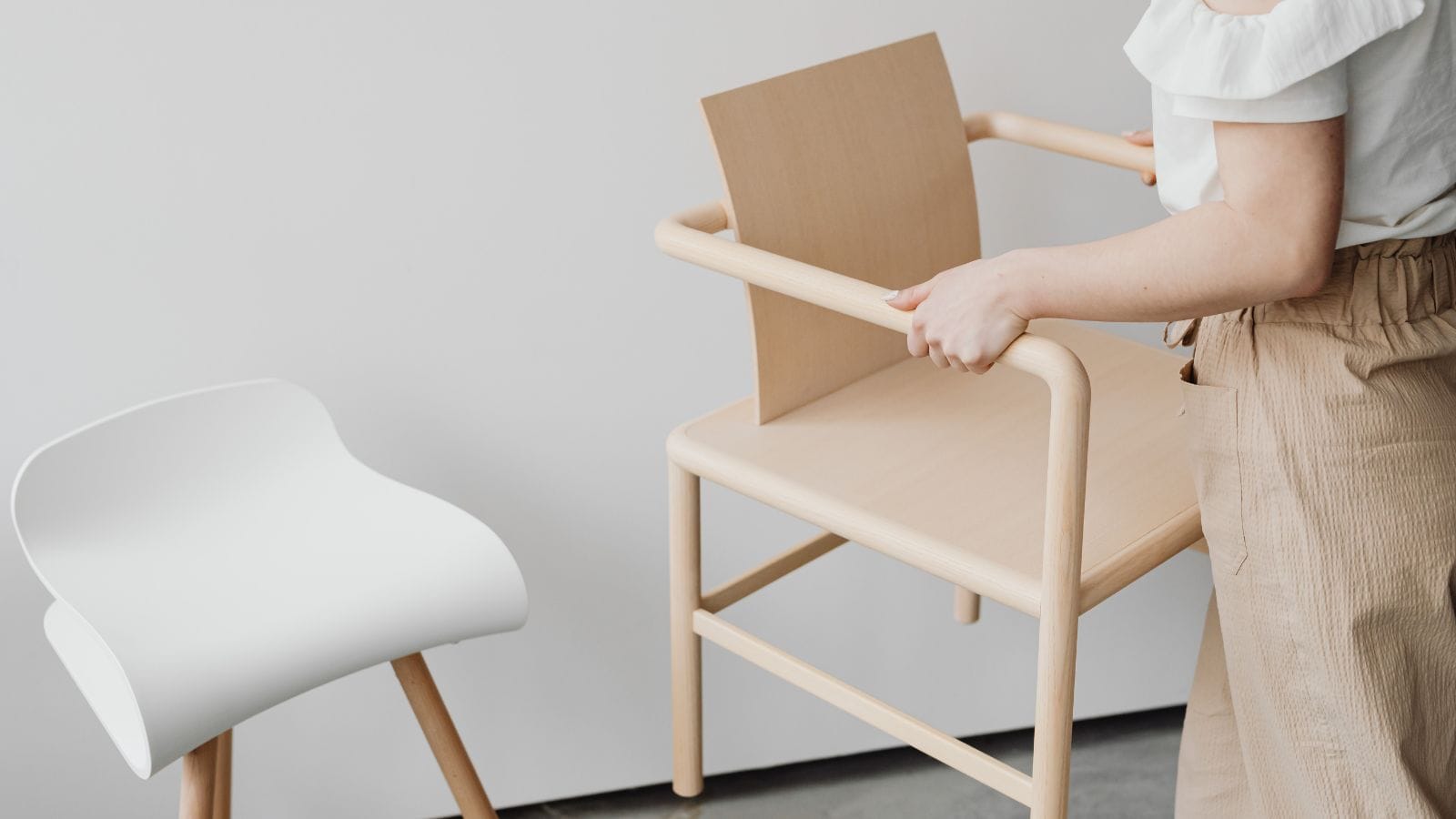
The seat is made from durable, scratch‑resistant plastic with smooth, gentle curves that provide support. But what sets this chair apart is the base: sturdy beech wood legs add warmth and natural elegance to a modern silhouette. It is an armless, lightweight design that fits neatly into reception rooms, training spaces, or casual office lounges.
Unlike standard plastic chairs that rely on all‑plastic construction, the wooden legs provide added structural stability without adding visual bulk. The chair also comes in a range of colours, making it easy to match a brand identity or office aesthetic.
Best for: Reception areas, training rooms, and any space that needs a durable plastic chair that feels more like a piece of design than a piece of utility.
2. Meet&Co WRK Rotating Office Chair
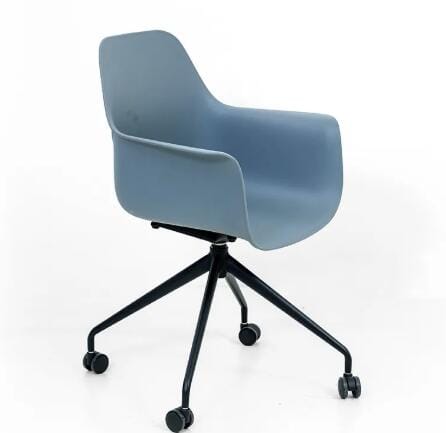
Sometimes a static plastic chair does not offer enough flexibility. The WRK Rotating Office Chair fills that gap.
Built with a durable nylon frame and breathable mesh backing, this chair is ergonomically designed for people who need to stay comfortable while moving through their work. The curved seat and back encourage better posture and reduce fatigue during long hours at a desk. It offers a 360‑degree swivel base, allowing users to reach across their workspace without straining.
The chair supports long‑duration sitting sessions while remaining light enough to manoeuvre. A fully adjustable mechanism keeps the “perfect balance” between support and motion, ensuring that comfort is never sacrificed.
Best for: Office environments where people sit for extended periods but still need to move freely.
3. KI Sebel Chair
https://www.kieurope.com/chairs/sebel-chair/
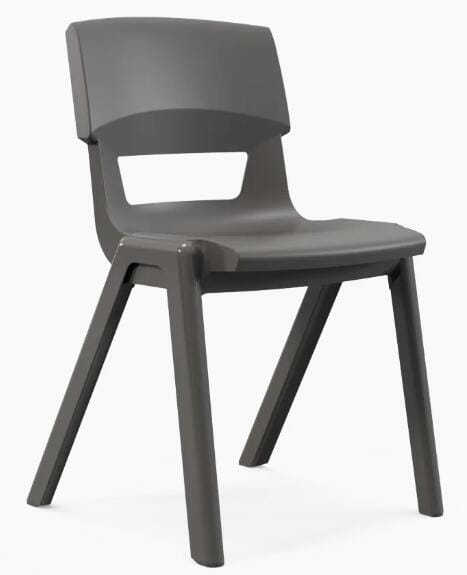
If you need a plastic chair that can handle institutional‑level daily use, this one comes highly recommended. The Sebel is crafted from high‑impact resistant polypropylene with gas‑injected legs that add strength without adding unnecessary weight. It supports up to 220 kg, carries a 25‑year warranty on structural defects, and is stackable up to 12 high.
What is unusual about the Sebel is its sustainability. It is made entirely from post‑consumer waste — things like food packaging and plastic trays — and prevents about 4.5 kg of plastic from ending up in landfill per chair.
Ergonomically, it includes a waterfall seat edge (which reduces pressure behind the knees), a flexible curved backrest for lumbar support, and a built‑in ventilation window to keep the user from getting too warm. It is the kind of chair that feels light and simple at first glance but is actually engineered to survive decades of daily use.
Best for: Schools, universities, training centres, and any high‑traffic environment where chairs are constantly moved, stacked, and sat in.
Quick Comparison Table
| Chair | Material | Key Durability Feature | Best For |
|---|---|---|---|
| Meet&Co WRK Kite | Plastic seat + beech wood legs | Wooden frame adds structural stability | Reception, training rooms |
| Meet&Co WRK Rotating Chair | Nylon frame + mesh back | Ergonomic curved seat, 360° swivel | Daily office work |
| KI Sebel | Glass‑filled polypropylene | 25‑year warranty, 220 kg weight capacity | High‑traffic institutions |
How to Test a Plastic Chair Before You Buy
Before you commit to a plastic chair — especially if you are buying multiple — here are a few simple checks that take only a few seconds.
Press on the seat. Does it feel firm and dense, or can you feel it flex easily with just your thumb? A very soft seat will not hold up for long.
Lift the chair. A durable plastic chair has a bit of weight to it. If it feels suspiciously light, the plastic is probably thin.
Examine the joints. If the legs are attached with visible screws or thin connectors, those points will be the first to fail.
Look at the label. Does it mention commercial grade, BIFMA testing, or EN 16139 compliance? These are signs that the chair has been tested for more than occasional use.
Also see: Where to Use Plastic Chairs: From Classrooms to Cafeterias
Frequently Asked Questions (FAQ)
1. How long can a good plastic chair last?
With proper care, a high‑quality plastic chair can last 5 to 10 years — sometimes longer. Commercial‑grade chairs from reputable manufacturers can last significantly longer. At the same time, a very cheap plastic chair might show signs of failure within 6–12 months of daily use.
2. What is the most durable plastic for chairs?
Glass‑filled polypropylene and reinforced nylon are generally the strongest choices for high‑traffic use. If you need something for outdoor use, high‑density polyethylene (HDPE) offers excellent weather resistance, although it tends to be heavier.
3. Can plastic chairs be used outdoors?
Yes, but only if they are specifically rated for outdoor use. Look for UV‑stabilised materials and weather‑resistant finishes. Standard indoor plastic chairs will fade, become brittle, and crack within a season or two if left outside.
4. What does a commercial‑grade plastic chair cost?
Expect to pay between $30 and $70 per chair for decent commercial‑grade stacking chairs. Premium institutional models can cost more, but they also come with longer warranties and significantly better long‑term durability.
_2-1.webp)