






 Meet&Co
Collaborative Classroom Furniture completely transforms modern learning environments by replacing traditional, rigid desks with highly adaptable and movable seating configurations.
Implementing these student-centered pieces allows educational institutions to smoothly switch from independent study to group discussion in under 60 seconds.
This flexible approach eliminates layout friction, supports diverse teaching styles, and helps educators manage a distraction-free learning space with minimal disruption.
Key Takeaways
-
Instant Room Reconfiguration: Lightweight designs allow teachers to alter the entire floor plan mid-lesson without wasting class time or causing disruptions.
-
Enhanced Peer Learning: Arranging students face-to-face promotes natural eye contact, which sparks group discussion and improves teamwork.
-
Support for Active Pedagogy: Versatile setups accommodate interactive methods like project-based learning and hands-on STEM experiments effortlessly.
-
Higher Spatial Efficiency: Nesting and stacking frames transform small or awkwardly shaped rooms into multi-functional workspaces that adapt to shifting class sizes.
What Is Collaborative Classroom Furniture?
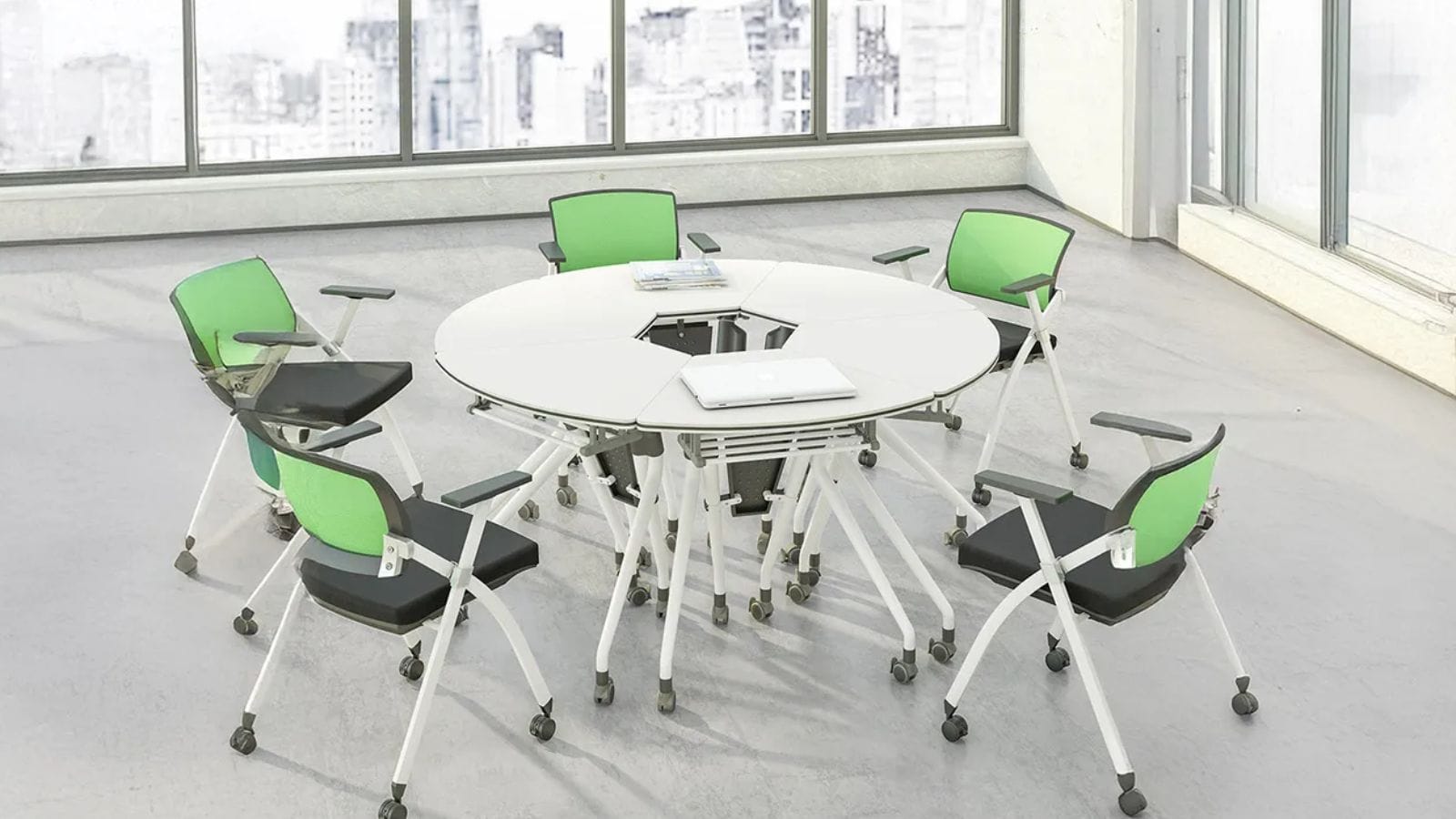
Collaborative classroom furniture is a collection of agile, multi-functional school items specifically engineered to adapt to a student-centered learning model. Unlike heavy, uniform wooden desks that lock a room into rigid rows, this innovative collaborative learning furniture uses lightweight materials, geometric shapes, and smooth-rolling wheels.
This structural framework includes pieces like adjustable student desks, mobile whiteboards, and stackable chairs. By providing these versatile tools, schools can easily break away from restrictive layouts. This flexibility allows them to build an active learning classroom where students can quickly form group teams, share resources, and collaborate on complex problem-solving tasks.
Why Collaborative Classroom Furniture Matters
The shift toward flexible classroom furniture is driven by a clearer understanding of how the physical environment directly impacts a student’s focus and academic performance.
Encourages Student Participation
Static layouts naturally lead to passive listening, which can cause students to lose interest or daydream during long lessons. When schools introduce a variety of movement-friendly options, students become more alert. This physical freedom increases student engagement, making learners feel more comfortable participating in daily class discussions.
Supports Group Learning
Modern education relies heavily on teamwork, brainstorming, and peer learning. Standard, front-facing desks make it difficult for students to converse without straining their necks or twisting around. Using multi-angled tables allows students to form cohesive working teams instantly, keeping them focused on group projects.
Improves Classroom Flexibility
A typical school day involves shifting between lectures, group work, independent testing, and media presentations. Mobile configurations ensure that the physical furniture never stands in the way of the lesson plan. Sourcing these durable options from a reliable global supplier like Meet&Co ensures you get commercial-grade equipment built to handle frequent daily adjustments.
Creates More Engaging Learning Experiences
When physical boundaries are removed, classrooms become dynamic learning laboratories. Students can quickly gather around a shared screen, roll their chairs to a different group, or use vertical writable surfaces to map out ideas, making the entire educational experience feel much more interactive.
Key Features of Effective Collaborative Classroom Furniture
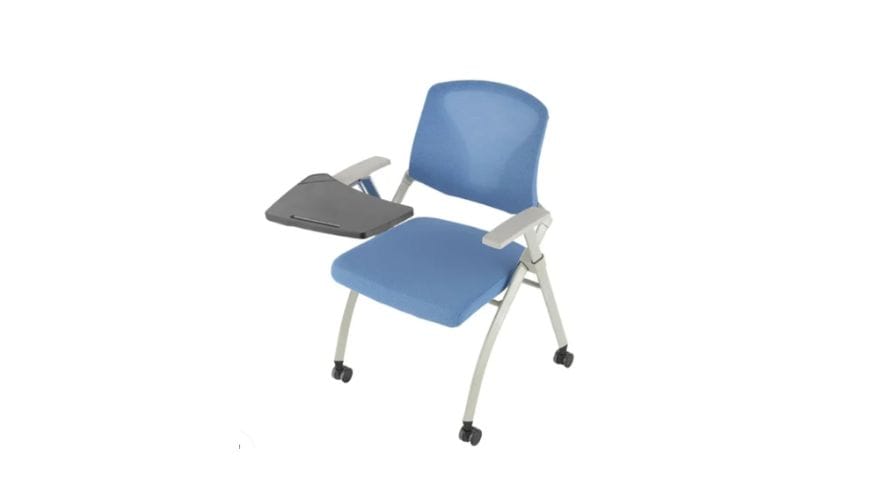
To ensure your school procurement strategy delivers lasting value, look for these essential design features during evaluation.
Mobility and Reconfiguration
The core value of any agile setup is speed. Look for mobile classroom furniture equipped with durable polyurethane wheels that glide quietly across both commercial carpet and vinyl floors. The wheels must include reliable locking brakes to keep the furniture securely in place once arranged.
Ergonomic Comfort
Physical discomfort is a major distraction that leads to restlessness and fatigue. High-quality classroom seating should feature curved backrests, waterfall front edges to reduce leg pressure, and breathable materials. Providing proper posture support keeps students comfortable, focused, and ready to learn.
Modular Design
To support different group sizes, look for modular classroom furniture featuring complementary geometric angles, such as trapezoids, triangles, or crescents. These shapes allow individual tables to link together seamlessly like puzzle pieces, forming compact pods for four, six, or eight students.
Writable Surfaces
Many modern collaborative tables feature dry-erase whiteboard tops. This allows students to solve equations, sketch design ideas, and take notes directly on their desks. This interactive feature makes brainstorming more engaging and saves paper in the process.
Technology Integration
As digital tools and hybrid learning models become more common, furniture must keep pace. Look for workstations with built-in cable management ports, under-desk power strips, or secure tablet mounts. These additions make it easy for students to charge devices and collaborate on digital projects safely.
Types of Collaborative Classroom Furniture
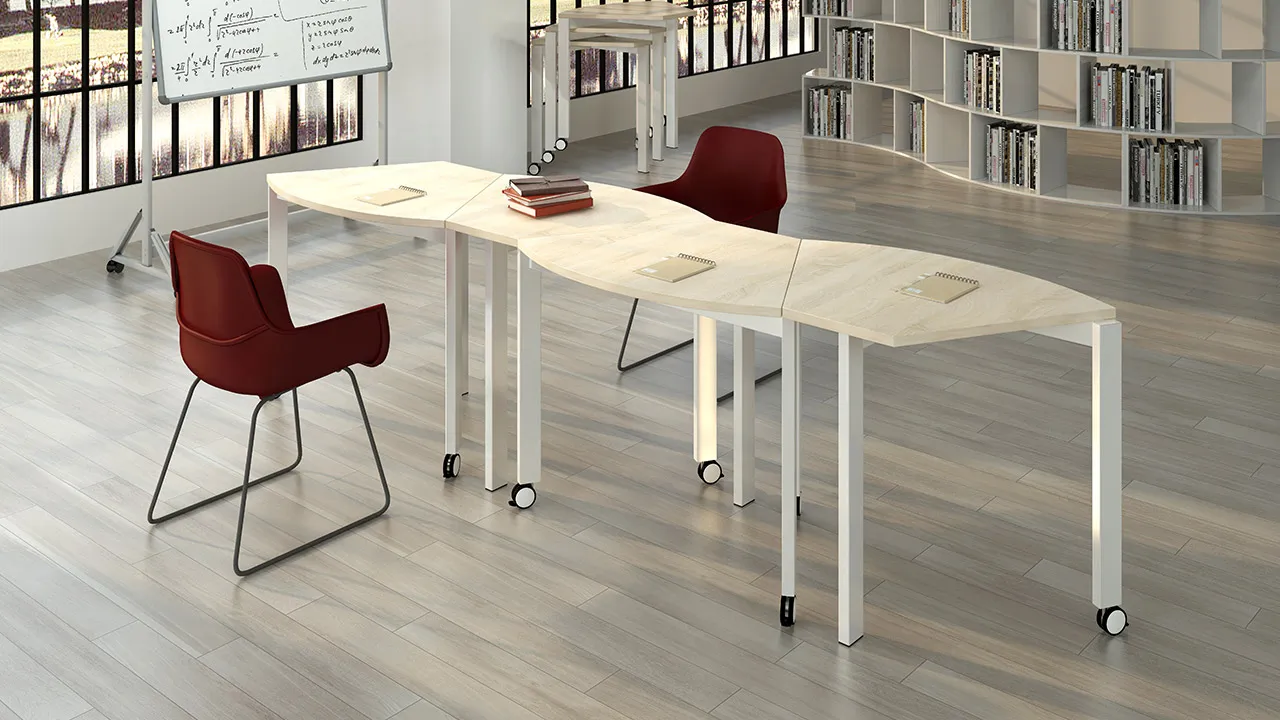
Daman Training Table with Wheels
A well-balanced layout relies on a thoughtful mix of different furniture types, each serving a unique purpose during the school day.
Collaborative Student Tables
These specialized classroom tables feature unique geometric shapes that allow them to be used individually for quiet testing or joined together to form large group workstations.
Flexible Classroom Seating
This category moves beyond standard chairs to include active options like ergonomic wobble stools, balance balls, and lightweight rockers. These choices satisfy students’ natural need for movement, helping them stay calm and focused.
Mobile Whiteboards
Freestanding vertical whiteboards serve as dual-purpose tools: they provide ample space for group brainstorming and can be rolled into position to act as temporary room dividers between different learning zones.
Collaborative Workstations
These larger, counter-height media tables are ideal for high schools and universities. They frequently feature built-in monitor mounts and power outlets, creating a perfect hub for digital research and editing teams.
Mobile Storage Units
Low-profile storage bins on wheels allow teachers to keep materials organized and accessible. These units can be easily rolled across the room to deliver art supplies, lab gear, or laptop chargers directly to a student group.
| Furniture Type | Key Benefit | Best Academic Use |
| Modular Tables | Flexible grouping configurations | Group projects, STEM challenges |
| Active Seating | Channels restless energy into focus | Independent reading, long lectures |
| Mobile Whiteboards | Visual sharing & space separation | Brainstorming, defining zones |
| Media Stations | Seamless digital integration | Video editing, hybrid research |
Best Classroom Layouts for Collaborative Learning
By using a versatile mix of adjustable furniture, teachers can easily arrange their rooms into several high-performance layouts tailored to the task at hand.
Pod Layout
Grouping four to six trapezoidal desks face-to-face creates distinct team islands across the floor. This configuration maximizes shared desktop space, making it perfect for project-based learning and small-group science experiments.
Cluster Layout
Similar to pods, a cluster layout combines multiple rectangular or square tables side-by-side. This arrangement offers an expansive, continuous workspace that gives students plenty of room to spread out large blueprints or art materials comfortably.
U-Shaped Layout

Meet&Co Flip Top Training Table
Arranging mobile desks in a large arc facing the front board keeps sightlines clear. This setup ensures every student has a direct view of the instructor and their peers, making it an excellent arrangement for full-class debates and socratic discussions.
Studio Layout
The studio layout positions large collaborative tables around the outer perimeter of the room, leaving the center completely open. This design creates fluid collaborative workspaces where students can move freely between different testing and building stations.
Hybrid Learning Layout
The most practical solution for everyday use is a hybrid approach. This layout maintains a core area of traditional student desks for learners who prefer a predictable structure, while using the rest of the room for active stools, standing counters, and comfortable reading corners.
How to Choose the Right Collaborative Classroom Furniture
Selecting the best options for your district requires balancing daily functional needs with long-term purchasing considerations.
-
Classroom Size Constraints: Measure your floor space accurately before ordering. For smaller rooms, prioritize chairs and tables that fold or nest together tightly to keep walkways clear when not in use.
-
Student Age Group: Furniture must match the physical scale of the students. Choose simple, rounded shapes for elementary classrooms, and look for integrated power options and ergonomic support for high schools and colleges.
-
Teaching Style Alignment: Consult with your teaching staff before buying. If your curriculum relies heavily on direct instruction, choose flexible shapes that can easily transition back into standard rows.
-
Long-Term Budget Planning: While modular options have a higher initial cost than basic plastic chairs, their durable construction, scratch-resistant tops, and versatility offer much better long-term value.
-
Technology Needs: Ensure your new furniture aligns with your school’s digital tools by choosing desks with integrated power hubs or cable channels to prevent tripping hazards.
Common Challenges and Solutions
Switching to a flexible, movement-friendly classroom layout can occasionally introduce a few daily management hurdles:
-
Noise Management: Increased collaboration naturally brings more conversation. Teachers can manage this by pairing mobile acoustic dividers with clear guidelines on acceptable group discussion volume.
-
Classroom Organization: Having multiple furniture shapes can sometimes look cluttered. Solve this by labeling storage zones and establishing consistent pack-away classroom routines.
-
Transition Time Friction: Moving between activities can become distracting. To keep things orderly, practice timed furniture drills to help students learn to reconfigure the room in under a minute.
Collaborative Furniture vs Traditional Classroom Furniture
When making major purchasing decisions, comparing the long-term value highlights why schools are modernizing their learning spaces.
| Feature | Collaborative Furniture | Traditional Furniture |
| Classroom Flexibility | High; reconfigures in seconds via wheels | Low; heavy frames restrict layout changes |
| Group Work Support | Shapes lock together flush for easy teamwork | Poor; square edges create awkward gaps |
| Student Interaction | Promotes face-to-face communication | Restricts sightlines to the back of heads |
| Space Efficiency | High; modular pieces adapt to small rooms | Low; static sizes limit layout options |
Final Thoughts
Modern school design focuses on building an active, inclusive learning community. By replacing rigid rows with agile collaborative classroom furniture, school administrators remove the physical barriers that lead to student fatigue and boredom. Sourcing high-quality, durable furniture lines from trusted industry professionals like Meet&Co Office Furniture ensures your investment will support dynamic teaching and student success for years to come.


_29.webp)
