







 Meet&Co
To learn how to clean an extremely dirty sofa, start by deep vacuuming, applying baking soda for 20 minutes to lift odors, and then using a balanced solution of white vinegar and dish soap for stains.
For severe grime, steam cleaning is the most effective professional-grade DIY method.
Key Takeaways
Always Check Cleaning Codes: Identify W, S, WS, or X codes before applying any liquid solutions to prevent permanent fabric damage.
The Power of Baking Soda: Baking soda is the most effective non-toxic agent for neutralizing deep-set odors and breaking down body oils.
Steam is Superior: High-temperature steam cleaning kills 99.9% of common household bacteria and allergens trapped in deep fibers.
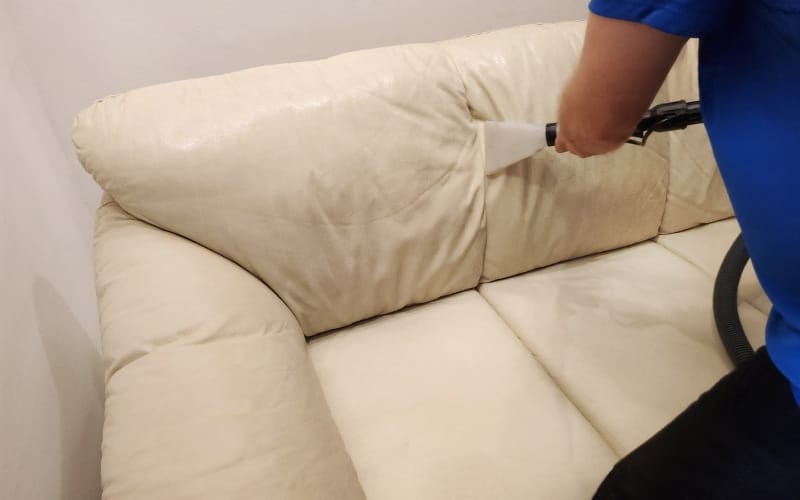
Proper Drying is Crucial: Use high-velocity fans to ensure the sofa dries within 6-12 hours to prevent the growth of mold and mildew.
What Makes a Sofa “Extremely Dirty”?
An “extremely dirty” sofa is more than just visible stains. Over years of use, a Meet&Co sofa can accumulate layers of microscopic debris.
According to environmental health studies, an average upholstered couch can house up to 10,000 dust mites and significant levels of fecal matter, pet dander, and skin cells.
Signs your couch needs deep cleaning
If your sectional sofa emits a faint musty smell, shows darkened patches on armrests (body oil buildup), or triggers sneezing fits, it is overdue for a deep clean.
Visible “graying” of the fabric usually indicates that dirt has moved from the surface into the internal fibers.
Health risks of dirty sofas
Research from the American Lung Association suggests that accumulated dust and allergens in upholstery contribute significantly to poor indoor air quality.
Bacteria like Staphylococcus aureus can survive on fabric for weeks, posing risks to families with children or pets.
Can an old dirty sofa be saved?
In 85% of cases, even a sofa that looks “beyond repair” can be restored.
Unless the structural frame is broken or there is extensive black mold inside the cushions, professional-grade cleaning techniques can strip away years of neglect.
Before You Start: Check the Sofa Cleaning Code
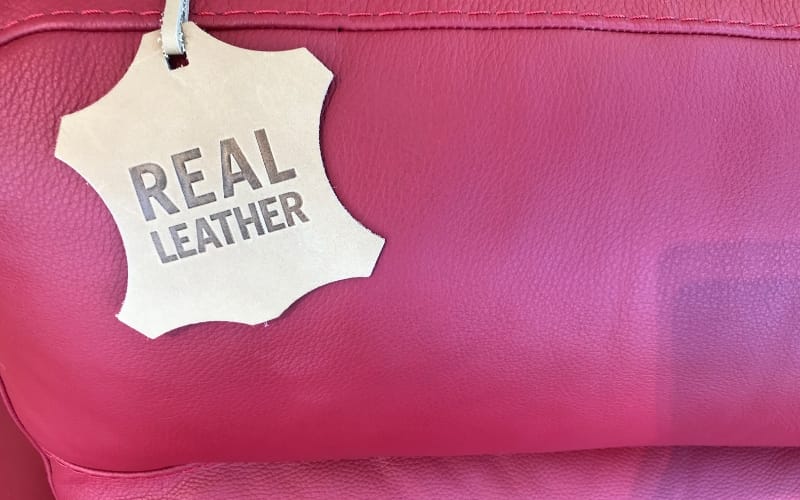
Before applying any DIY solution, you must locate the manufacturer’s tag, usually found under the cushions. Ignoring these codes is the #1 cause of ruined furniture.
W Code: Water-based cleaners only. This is the easiest to clean.
S Code: Solvent-based cleaners only (dry clean). Water will leave permanent rings.
WS Code: Either water-based or solvent cleaners are safe.
X Code: Vacuum only. No liquids at all—these require professional dry cleaning.
How to spot test safely: Always apply your cleaning solution to a small, hidden area (like the back or underside) and wait 15 minutes to check for color bleeding or texture changes.
Tools and Supplies You’ll Need
To achieve a professional result, gather these items:
High-suction vacuum with upholstery attachments.
Microfiber cloths (white to prevent dye transfer).
Baking soda and white vinegar.
Mild dish soap (clear).
Soft-bristled brush.
Handheld steam cleaner (optional but recommended).
How to Clean an Extremely Dirty Sofa at Home
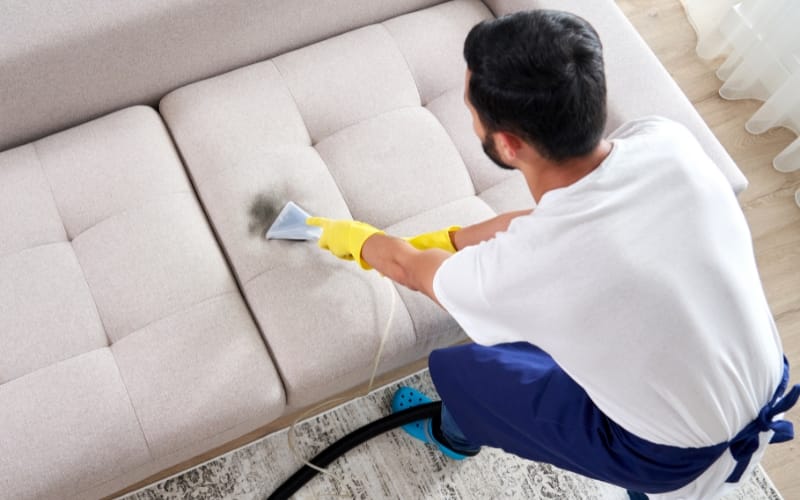
Follow this systematic approach to tackle heavy-duty grime:
Step 1: Remove cushions and debris.
Take everything off the frame. You’ll likely find coins, crumbs, and hair in the crevices.
Step 2: Vacuum deeply.
Use the crevice tool for corners. Spend at least 15 minutes on this; removing 90% of dry dust first prevents it from turning into mud when wet.
Step 3: Brush embedded dirt loose.
Use a stiff brush to agitate the fabric, bringing deep-seated hair and dust to the surface for a second vacuum pass.
Step 4: Apply baking soda.
Sprinkle a generous layer over the entire sofa. Let it sit for at least 30 minutes (or overnight for extreme odors).
Step 5: Spot treat heavy stains.
For ink or wine, use specific enzyme cleaners or a vinegar-soap mix.
Step 6: Use vinegar and dish soap solution.
Mix 1 cup warm water, 1/4 cup vinegar, and 1 tbsp dish soap. Mist lightly—do not soak.
Step 7: Steam clean.
If the code allows, use a steamer to penetrate 2 inches deep into the padding.
Step 8: Dry properly.
Open windows and use fans. Moisture trapped for over 24 hours will lead to a “sour” smell.
How to Clean an Extremely Dirty Sofa Without a Machine
You don’t need expensive equipment to get results. The manual scrubbing method involves using a damp microfiber cloth and “massaging” the cleaning solution into the fabric in circular motions.
Another effective technique is the hot towel extraction trick.
Dip a clean towel in hot soapy water, wring it until it’s just damp, wrap it around a pot lid, and “iron” the sofa surface.
The heat and pressure pull dirt into the towel. Always finish with the fan-drying method to ensure no moisture lingers in the foam.
How to Clean an Extremely Dirty Sofa with Baking Soda
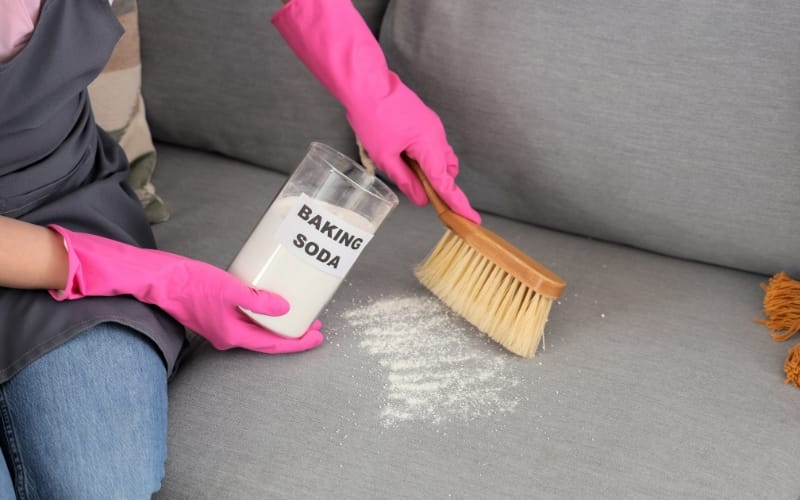
Baking soda works because it is a mild alkali that causes dirt and grease to dissolve easily in water.
It is also a natural deodorizer that absorbs acidic odor molecules.
For a fabric sofa, leaving baking soda on for 24 hours can reduce bacterial presence by up to 60% without using any moisture.
However, note that it cannot remove permanent dye stains like mustard or old ink.
How to Clean an Extremely Dirty Sofa with Vinegar and Dish Soap
The acidity of vinegar breaks down the “glue” that holds dirt to fibers.
A common DIY cleaning recipe is 1 part vinegar to 4 parts water with a drop of clear soap.
This is the safest method for synthetic blends.
However, when NOT to use vinegar is on delicate silks or certain acidic-sensitive dyes, as it can cause etching or lightening.
How to Remove Deep Odors From a Dirty Couch
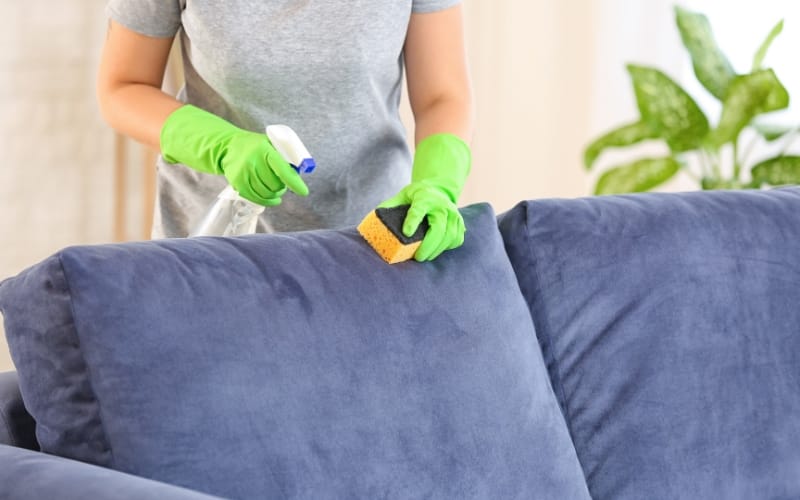
Odors are often trapped in the foam, not just the fabric.
Pet urine smell: Requires an enzyme-based cleaner to break down uric acid crystals.
Smoke smell: Activated charcoal bags placed under cushions for a week can absorb lingering toxins.
Mold and mildew smell: Requires a 50/50 rubbing alcohol and water mix to kill spores (check codes first).
Sweat and body oil odor: Regular application of baking soda followed by a light vinegar mist is best.
Best Cleaning Methods by Sofa Material
Different materials require specialized care:
Microfiber: Use rubbing alcohol instead of water to prevent water spots.
Velvet: Never scrub; use a soft brush and steam only.
Real leather sofa: Use a dedicated pH-neutral leather cleaner and always follow with a conditioner to prevent cracking.
Suede: Use a suede stone or sandpaper (very fine) for dry stains; never use water.
Common Mistakes That Can Ruin Your Sofa
One major error is oversoaking. If water reaches the wooden frame or metal springs, it causes rust and rot.
Using harsh scrubbing can “pill” the fabric, making a new sofa look old in minutes. Avoid bleach usage at all costs, as it weakens fibers and destroys color.
Finally, poor drying is the leading cause of “stink” after cleaning; if it’s not dry in 12 hours, you’ve used too much water.
When You Should Call a Professional Cleaner
If you discover mold inside cushions, the sofa is a health hazard and needs professional remediation.
Similarly, a durable sofa that has suffered extensive water damage or deep pet contamination (soaking into the frame) usually requires industrial extraction tools.
Professionals are also recommended for antique or delicate upholstery where the risk of shrinkage is high.
How to Keep Your Sofa Clean Longer
Maintenance is the key to longevity. Implementing weekly maintenance, such as a quick vacuuming of the seams, prevents dirt from becoming “embedded.”
For a modern sofa, a monthly deodorizing with a light sprinkle of baking soda keeps it fresh.
Pet owner tips include using lint rollers daily, while protective covers or Scotchgard treatments can create a barrier against spills.
Conclusion: Restore Your Comfort Today
In conclusion, deep cleaning restores the lifespan of your furniture and ensures a healthy home environment.
Data from furniture manufacturers shows that a consistent cleaning schedule can extend the life of a high-quality sofa by up to 50%, saving homeowners thousands in replacement costs.
By following the W/S/S codes and using the right DIY solutions, you can transform even the grimiest piece of furniture back into the centerpiece of your living room.
Whether you are maintaining a legacy piece or a Meet&Co Furniture investment, regular care is the ultimate secret to lasting comfort.
_17.webp)