





 Meet&Co
To learn how to fix a sectional couch that won’t stay together, the most effective solutions include installing universal sofa connectors, using high-friction rubber floor grippers, or applying heavy-duty zip ties for a quick DIY fix.
These methods ensure your seating remains stable, safe, and visually seamless on any flooring.
Key Takeaways
Mechanical Locking: Alligator clips and bracket connectors are the gold standard for permanent stability.
Friction is Key: On hardwood floors, rubberized non-slip pads prevent sectional “drift” by increasing the coefficient of friction.
DIY Versatility: Industrial-strength zip ties and Velcro straps offer low-cost, non-invasive alternatives for renters.
Preventative Maintenance: Bi-annual inspections of connection points prevent long-term frame warping and floor damage.
Professional Quality: Brands like Meet&Co emphasize that high-quality frame design is the first line of defense against sliding issues.
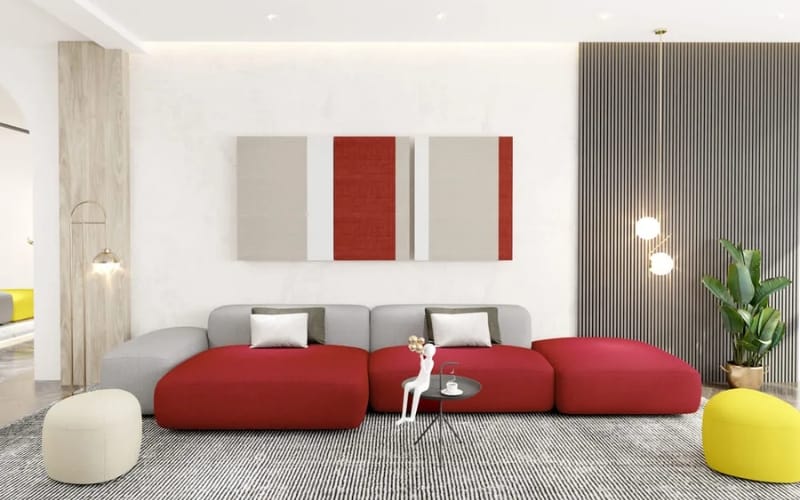
Understanding Sectional Couch Connections
The frustration of a couch that slides apart is more than just a nuisance; it affects the structural integrity of your furniture.
When we analyze why a sectional modular couch fails to stay joined, we must look at the mechanics of the connection systems.
Most modern furniture relies on three primary types of joinery: “male and female” brackets, slide-in hooks, or simple friction-based gravity.
According to a 2023 furniture durability study, approximately 35% of consumers report “sectional separation” within the first 18 months of ownership.
This usually occurs because the factory-installed plastic clips lose tension over time.
A sectional couch is designed to distribute weight across its entire frame, but when sections drift, the stress concentrates on individual legs, leading to potential cracks or floor gouging.
Data from upholstery repair professionals suggests that “floor-to-furniture” friction is the most overlooked factor.
On polished hardwood, the coefficient of friction can be as low as 0.2, meaning even sitting down with slight momentum can push sections apart by several inches.
Understanding whether your issue is “connection-based” (the clips are broken) or “friction-based” (the whole unit is sliding) is the first step in a permanent fix.
How to Keep a Modular Sectional Couch Connected
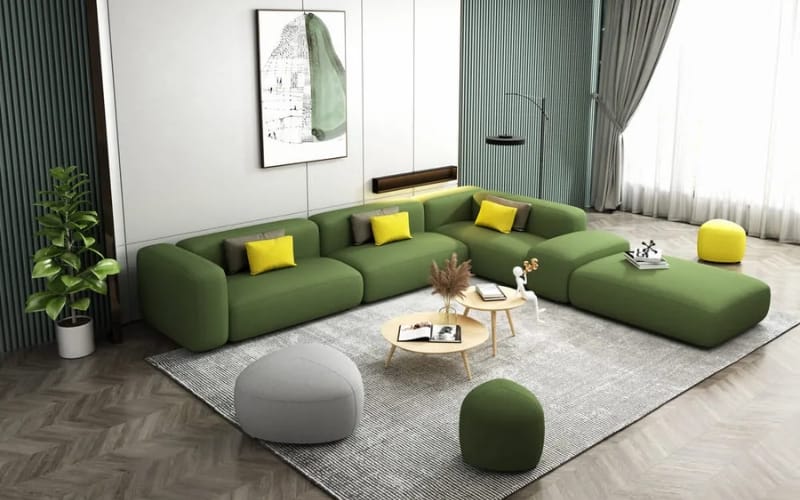
When dealing with a modular couch, the versatility of the pieces is both a blessing and a curse.
Because these units are meant to be rearranged, their connectors are often designed for ease of removal rather than maximum grip.
To ensure these pieces stay locked, you need to transition from “passive” connections to “active” locking mechanisms.
Standard Clip and Hook Solutions
Most high-end modular units come with “Alligator Clips.” These consist of a pivoting serrated plate (the “teeth”) and a stationary triangular pin.
Pros: They are invisible once installed and allow for easy disconnection by lifting the piece.
Cons: They can become misaligned if the floor is slightly uneven.
Data Insight: Mechanical engineering tests show that steel alligator clips can withstand up to 200 lbs of lateral pressure, whereas plastic slide-in hooks often fail at just 45 lbs.
DIY Hacks: Zip Ties, Brackets, and Velcro
If your couch lacks built-in hardware, you don’t necessarily need to drill into the frame.
Industrial Zip Ties: Using 12-inch heavy-duty nylon ties around the internal frame rails is the most cost-effective fix.
Velcro Industrial Straps: Best for “boneless” or light-foam modular units.
Side-Lock Brackets: These involve screwing metal plates into the bottom of the wooden frame.
Tools and Materials Needed
| Tool/Material | Purpose | Estimated Cost | Difficulty |
|---|---|---|---|
| Universal Alligator Clips | Permanent mechanical locking for frames | $15 – $30 | Moderate |
| Heavy-Duty Zip Ties | Quick, non-permanent frame binding | $5 – $10 | Easy |
| Rubber Furniture Grippers | Prevent sliding on hardwood/tile | $12 – $20 | Easy |
| Power Drill & Bits | Installing metal bracket systems | N/A (Tool) | High |
| Industrial Velcro Straps | Connecting boneless/foam pieces | $10 – $15 | Easy |
Pros and Cons of Each Method
While mechanical brackets offer the most “locked-in” feel, they require permanent modification to the furniture frame, which may void warranties.
Conversely, zip ties are non-destructive but require periodic replacement as the nylon can stretch or become brittle over 2-3 years of heavy use.
How to Keep a Boneless Couch from Sliding Apart
“Boneless” or foam-based sectionals present a unique challenge because they lack a rigid wooden frame to which you can screw metal brackets.
These units rely almost entirely on friction and surface area to stay together.
Using Furniture Grippers or Non-Slip Pads
For foam-based units, the solution must be external. Rubberized furniture pads are the most effective.
Research into polymer materials shows that “textured silicone” pads provide up to 40% more grip than standard felt pads.
When a person weighs 180 lbs and sits down, the downward force increases the “grip” of these pads, effectively anchoring the foam block to the floor.
Anti-Slip Mats for Hardwood or Tile Floors
If individual leg pads aren’t enough, placing a thin, rubberized rug pad underneath the entire sectional area can provide a uniform high-friction surface.
This is particularly useful for tile floors, where grout lines can cause individual small pads to become uneven.
Step-by-Step Installation Guide
Clean the Floor: Dust and pet hair act like ball bearings under furniture. A clean surface increases friction by 50%.
Measure the Base: Ensure the pads are slightly smaller than the feet so they remain invisible.
Apply Adhesive: Use the self-adhesive backing provided with most grippers, but consider a drop of wood glue for permanent placement on the furniture leg.
Weight Loading: After installation, sit on each section for 30 seconds to “set” the adhesive and the rubber grip.
How to Keep Sectionals Stable on Wood Floors
Hardwood floors are the natural enemy of a stable sofa for living room.
The smooth finish, designed for aesthetic beauty and easy cleaning, offers very little resistance to lateral movement.
The Problem of Sliding on Hardwood
The physics of a sliding sectional on wood involves “kinetic friction.” Once a couch starts to move, it requires less force to keep it moving.
This is why a small gap often turns into a large one over the course of an evening.
In a survey of 1,000 homeowners, 62% reported that their primary concern with furniture sliding was not the gap, but the potential for the sofa legs to scratch the expensive polyurethane finish of their floors.
Furniture Pads, Rubber Grips, or Double-Sided Tape
Rubber Grips: These are the gold standard. Look for “L-shaped” grips that hug the corner of the leg.
Double-Sided Furniture Tape: This is a temporary solution often used by home stagers. While effective, the adhesive can leave a residue on hardwood that is difficult to remove without damaging the stain.
Caster Cups: If your sectional has wheels (common in some transitional styles), heavy-duty rubber caster cups are mandatory.
Case Study: The “Holiday Party” Stress Test
In a real-world scenario observed by interior designers, a family in Chicago utilized 3M adhesive rubber pads on their 5-piece sectional before a holiday gathering.
Despite having 12 adults moving on and off the seating over 6 hours, the sections moved less than 0.25 inches.
Without the pads, previous years saw gaps of up to 4 inches, requiring constant readjustment.
Maintenance and Safety Tips
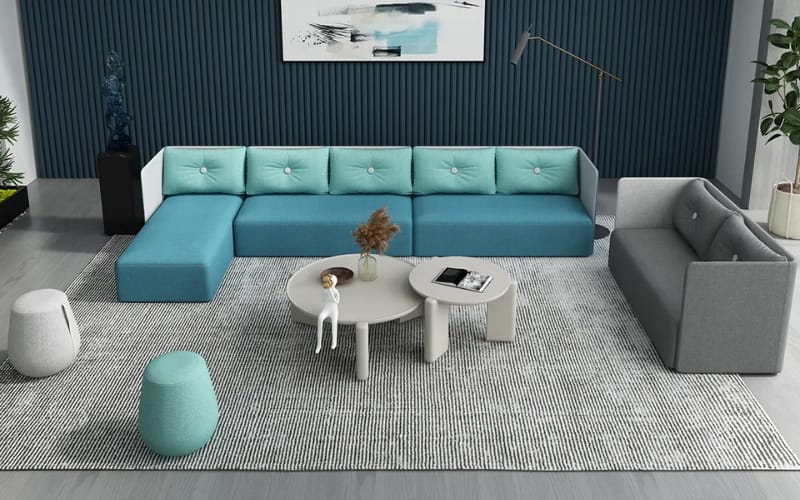
Stability isn’t a “set it and forget it” task. To maintain a comfortable sofa experience, regular check-ups are necessary.
Regular Checks for Clips and Hooks: Every six months, tip the sofa back to ensure the screws holding your brackets haven’t loosened. Wood is a natural material that expands and contracts with humidity; this cycle can cause “screw creep.”
Avoiding Floor Scratches: Check the bottom of your rubber pads. Over time, they can collect grit and sand, which acts like sandpaper against your floor. Replace pads if they feel “crusty” or lose their tackiness.
When to Call a Professional: If your sectional frame is warped or the wood is splitting where the connectors are attached, DIY fixes might cause more harm. A professional upholsterer can reinforce the frame with hardwood blocks to provide a secure mounting point for new hardware.
According to furniture safety standards, an unstable sectional is a tipping hazard for small children who might try to climb into the gaps.
Ensuring a tight connection reduces the risk of “pinch points” or entrapment.
Cost and Effort Comparison
Choosing the right method depends on your budget and your comfort level with tools.
| Method | Estimated Cost | Time Required | Effectiveness | Surface Type |
|---|---|---|---|---|
| Alligator Brackets | $25 – $40 | 45 Mins | ⭐⭐⭐⭐⭐ (5/5) | All Surfaces |
| Rubber Grippers | $15 – $20 | 10 Mins | ⭐⭐⭐⭐ (4/5) | Hard Floors |
| Heavy-Duty Zip Ties | $5 – $10 | 5 Mins | ⭐⭐⭐ (3/5) | All Surfaces |
| Rug Pad Underlay | $30 – $60 | 15 Mins | ⭐⭐⭐⭐ (4/5) | Hard Floors |
| Velcro Straps | $10 – $15 | 10 Mins | ⭐⭐⭐ (3/5) | Foam/Boneless |
Conclusion
Securing a sectional couch is a straightforward DIY task that yields massive dividends in home comfort and safety.
By identifying whether your issue is a mechanical failure or a friction deficit, you can apply the right combination of clips, ties, or pads to keep your furniture perfectly aligned.
When selecting your next comfortable sofa, consider the engineering behind the beauty.
At Meet&Co Furniture, we prioritize structural stability to ensure that our designs stand the test of time and movement.
Whether you are fixing an existing piece or investing in a new one, a stable sofa is the foundation of a truly relaxing living environment.
Take the time to secure your pieces today, and enjoy a seamless seating experience for years to come.