






 Meet&Co
Choosing the right modern sofa material is one of the most important decisions when buying a sofa.
It affects not only how your modern design sofa looks, but also how it performs over time—how comfortable it feels, how easy it is to clean, and how well it holds up under daily use.
In today’s homes—especially small apartments and pet-friendly spaces—your sofa is often the most used piece of furniture.
Spills, scratches, and constant use can quickly wear down the wrong material. That’s why understanding different materials before you buy is essential.
If you’re browsing options from brands like Meet&Co, starting with material knowledge will help you avoid costly mistakes and choose a sofa that truly fits your lifestyle.
What Is a Modern Sofa Material?
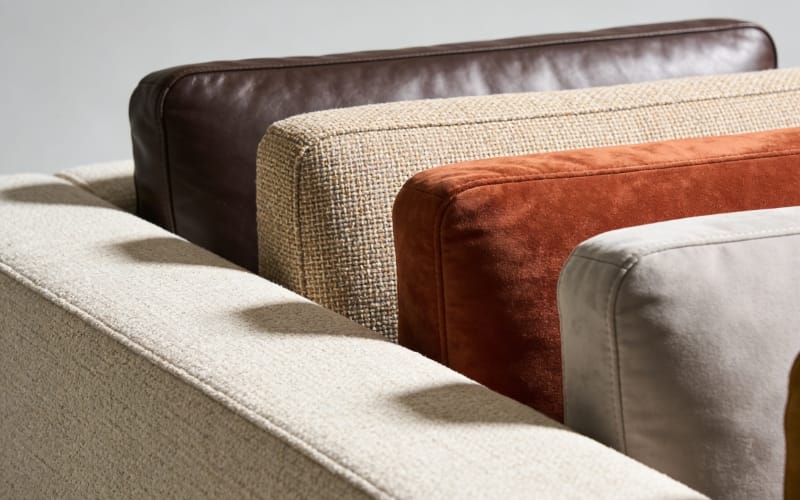
A modern sofa material refers to upholstery that is designed not just for appearance, but for real-life performance.
Unlike traditional sofa materials that focused mainly on texture or luxury, modern materials emphasize a combination of:
- Durability (long-term use without wear)
- Functionality (stain resistance, water repellency)
- Comfort (breathability and softness)
- Sustainability (eco-friendly production)
For example, while traditional cotton fabric may look appealing, newer “performance fabrics” are engineered to resist stains and moisture—making them far more practical for modern living.
Another key difference is that modern materials are often designed with specific lifestyles in mind, such as:
- Urban living (small spaces)
- Pet ownership
- Family environments
- Minimalist or designer interiors
Types of Modern Sofa Materials (Full Breakdown)
1. Leather (Genuine & Faux)
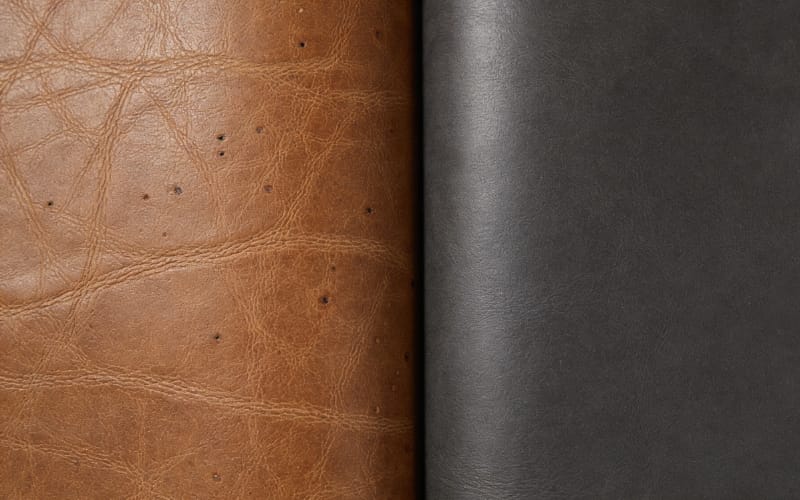
Leather is one of the most classic yet still widely used modern sofa material options.
Types of leather:
- Full-grain leather: highest quality, develops patina over time
- Top-grain leather: slightly processed, more uniform look
- Faux leather (PU): synthetic, more affordable alternative
Advantages:
- Extremely durable (often lasts 10–15 years)
- Resistant to spills and stains
- Easy to wipe clean
- Gives a premium, high-end look
Disadvantages:
- Higher upfront cost
- Can feel cold in winter and sticky in summer
- May scratch easily (important for pet owners)
Best use cases:
- Luxury interiors
- Low-traffic homes
- Users who prioritize longevity over softness
2. Fabric (Natural & Synthetic)
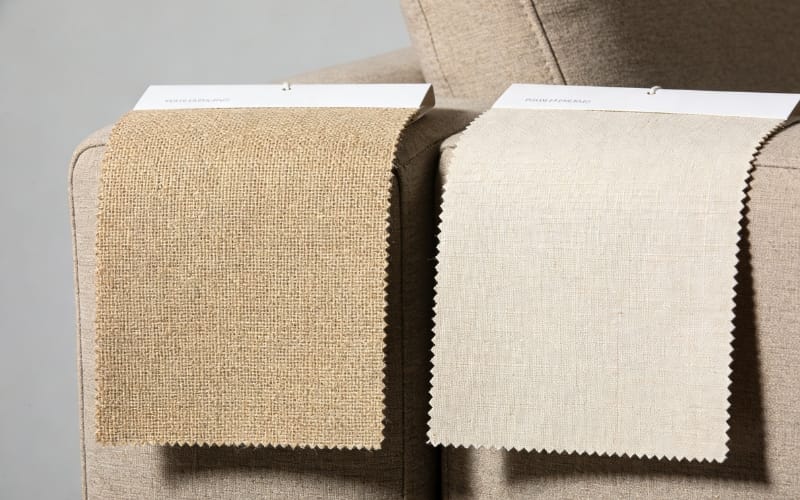
Fabric is the most versatile and widely available modern sofa material category.
Common fabric types:
- Cotton: soft, breathable, natural feel
- Linen: lightweight and elegant, but wrinkles easily
- Polyester: durable, affordable, widely used
- Blends: combine durability and comfort
Advantages:
- Very comfortable for long sitting sessions
- Wide variety of colors and textures
- Generally more affordable than leather
Disadvantages:
- More prone to staining
- Can absorb odors over time
- Requires regular maintenance
Best use cases:
- Budget-conscious buyers
- Cozy living room setups
- Style-focused interiors
3. Performance Fabric (Highly Recommended 🔥)
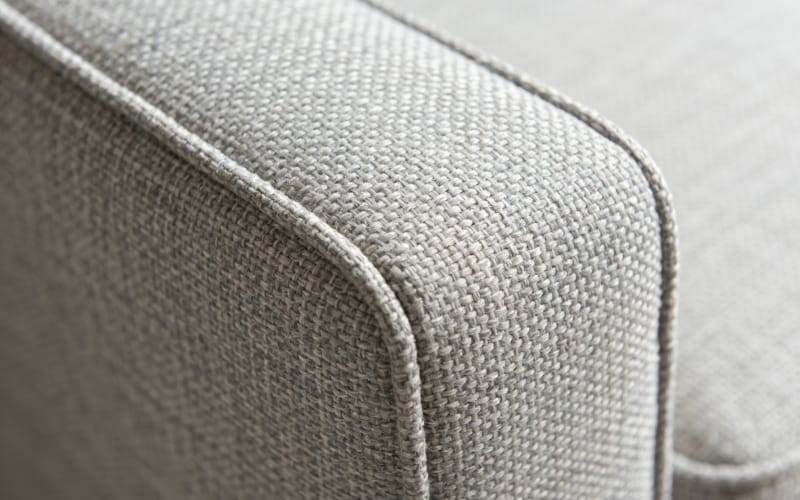
Performance fabric is currently one of the most practical and fast-growing modern sofa material choices.
What makes it different:
This material is engineered using advanced textile technology to resist:
- Stains
- Moisture
- Wear and tear
Key benefits:
- Liquids bead up instead of soaking in
- Easy to clean with minimal effort
- Maintains appearance over time
For example, many modern brands—including selections you’ll find at Meet&Co furniture collections—are increasingly adopting performance fabrics due to their real-life usability.
Best use cases:
- Pet owners (resists scratches and fur)
- Families with children
- Small apartments with heavy daily use
4. Velvet & Bouclé (Design-Focused Materials)
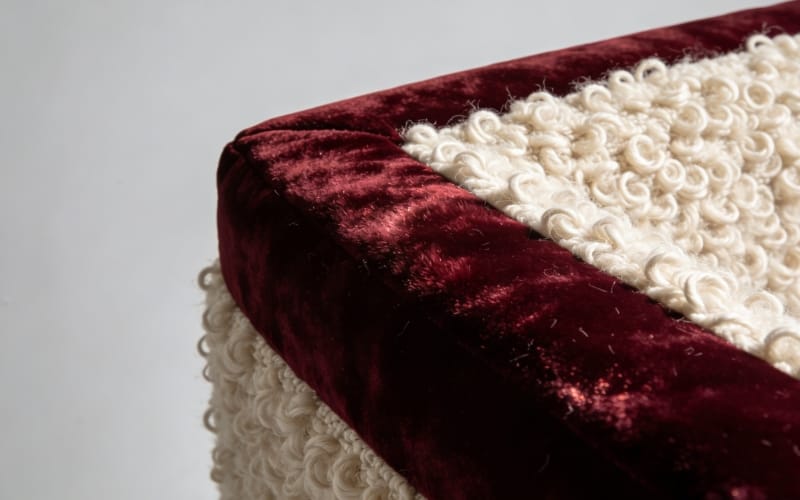
These materials are more about visual impact and texture than practicality.
Velvet:
- Soft and luxurious
- Reflects light beautifully
- Adds a premium aesthetic
Bouclé (very trendy):
- Loop-textured fabric
- Popular in minimalist and Scandinavian interiors
- Creates a cozy, modern look
Drawbacks:
- Harder to clean
- Can trap dust and pet hair
- Less durable under heavy use
Best use cases:
- Low-traffic areas
- Design-focused homes
- Statement furniture pieces
5. Sustainable Sofa Materials (Emerging Trend)
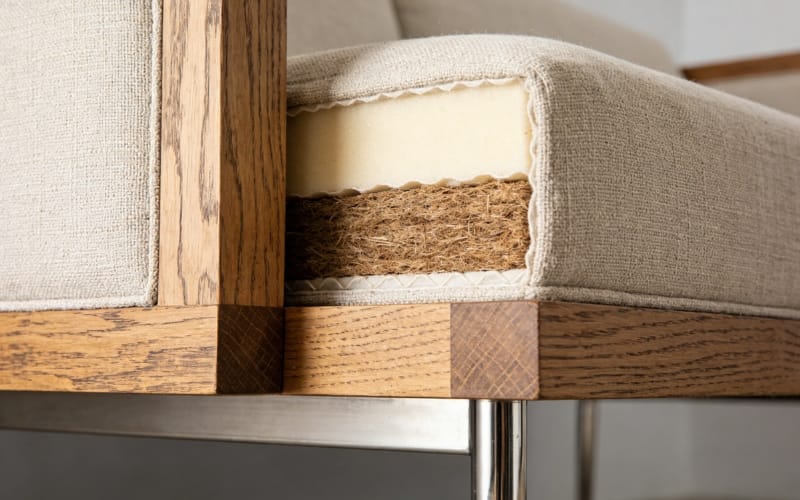
Sustainability is becoming a major factor in choosing a modern sofa material.
Popular eco-friendly options:
- Recycled polyester fabrics
- Organic cotton and linen
- Vegan leather alternatives
Why it matters:
- Reduces environmental impact
- Appeals to conscious consumers
- Often combined with durability innovations
Limitations:
- Sometimes higher cost
- Quality can vary by brand
Modern Sofa Material Comparison Table
| Material | Durability | Comfort | Maintenance | Cost | Best For |
|---|---|---|---|---|---|
| Leather | High | Medium | Easy | High | Luxury, long-term use |
| Fabric | Medium | High | Medium | Low | Budget, comfort seekers |
| Performance Fabric | High | High | Easy | Mid | Pets, kids, daily use |
| Velvet/Bouclé | Low-Med | High | Hard | Mid | Aesthetic interiors |
Best Modern Sofa Material by Lifestyle
For Small Apartments
In compact spaces, sofas are used more frequently and exposed to more wear.
Recommended materials:
- Performance fabric
- Durable polyester blends
Why:
- Easy cleaning
- High durability
- Less maintenance stress
For Pet Owners
Pets introduce scratching, shedding, and accidents.
Best choices:
- Performance fabric
- Microfiber
Avoid:
- Leather (scratches easily)
- Velvet (traps fur)
For Families with Kids
Kids often mean spills, stains, and heavy use.
Recommended:
- Stain-resistant fabrics
- Washable covers if possible
For Luxury Interiors
If aesthetics are the priority:
Top materials:
- Genuine leather
- High-quality velvet
Durability Deep Dive (What Most Guides Miss)
Most guides talk about durability in vague terms, but the real measure is fabric testing data.
Martindale Rub Test
This test measures how much abrasion a fabric can handle.
- 15,000–20,000 rubs → light use
- 25,000–30,000 rubs → everyday residential use
- 40,000+ rubs → heavy-duty/commercial
Insight:
Performance fabrics often exceed 30,000 rubs, making them one of the most reliable modern choices.
Maintenance & Cleaning Comparison
Choosing a modern sofa material also means understanding long-term upkeep.
Leather:
- Quick wipe cleaning
- Occasional conditioning needed
Fabric:
- Requires vacuuming
- Prone to stains
Performance fabric:
- Lowest maintenance overall
- Designed for easy cleaning
Long-Term Cost: Which Material Saves Money?
Looking only at upfront price can be misleading.
Leather:
- Expensive initially
- Long lifespan → cost-effective over time
Fabric:
- Affordable upfront
- May require replacement in 5–7 years
Performance Fabric:
- Mid-range price
- Excellent durability → best value overall
How to Choose the Right Modern Sofa Material
Use this simple decision framework:
- Have pets? → Performance fabric
- Need comfort? → Fabric
- Want luxury? → Leather
- Low maintenance priority? → Performance fabric
Think in terms of lifestyle first, appearance second.
Common Mistakes to Avoid
- Choosing based only on looks
- Ignoring maintenance requirements
- Not considering daily usage
- Overlooking long-term costs
These mistakes often lead to faster wear and regret purchases.
Conclusion
The best modern sofa material depends entirely on how you live.
While leather offers timeless durability and fabric provides comfort, performance fabrics stand out as the most balanced solution for modern lifestyles—especially in small spaces and pet-friendly homes.
Before making a purchase, take time to evaluate your daily habits, maintenance expectations, and long-term needs.
A well-chosen material will not only improve comfort but also extend the life of your modern sectionals sofas for years to come.