





 Meet&Co
First impressions matter. Before a client meets your team, before a patient sees the doctor, before a guest checks in—they sit in your waiting area. The chairs they sit in send a message about your organization: whether you care about comfort, whether you pay attention to detail, whether you value the people who walk through your door.
But waiting area chairs face unique demands. They must be comfortable enough for someone who may wait 20 minutes or two hours. They must be durable enough to withstand dozens of users daily, year after year. They must be easy to clean, resistant to stains, and often need to accommodate people of all ages and mobility levels. And they must do all this while looking welcoming.
This guide walks you through how to choose lounge chairs for waiting areas—whether you’re outfitting a medical office, corporate reception, hotel lobby, or professional practice.
Step 1: Understand Your Waiting Area
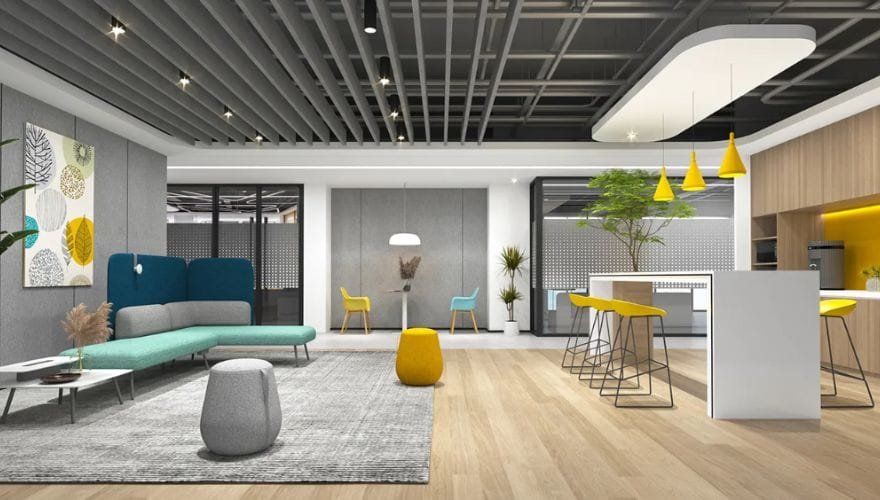
Before looking at chairs, understand how your space is used. Different waiting environments have different priorities.
| Setting | Typical Wait Time | Key Priorities |
|---|---|---|
| Medical office | 15–45 minutes | Easy cleaning, infection control, comfort, accessibility |
| Corporate reception | 5–15 minutes | Professional appearance, brand alignment, durability |
| Hotel lobby | Variable | Aesthetics, variety, easy reconfiguration |
| Spa or salon | 10–30 minutes | Relaxing atmosphere, visual appeal, comfort |
| Auto dealership | 30–90 minutes | High comfort, durable materials, power access |
Questions to Ask
-
How long do people typically wait?
-
Who uses the space? (Elderly? Children? Business professionals?)
-
How many people need to be seated at peak times?
-
What is the overall aesthetic of your space?
-
How often will chairs need to be cleaned?
Step 2: Choose the Right Materials
Material choice is the most important durability decision you’ll make. Waiting area chairs face constant use, spills, and cleaning.
Upholstery Materials Compared
| Material | Durability | Cleaning | Comfort | Best For |
|---|---|---|---|---|
| Vinyl / PU leather | High | Very easy (wipe with disinfectant) | Moderate | Medical offices, high-traffic areas |
| Crypton / performance fabric | High | Easy (bleach-cleanable) | High | General waiting areas, corporate lobbies |
| Leather (genuine) | High (with care) | Easy | High | Executive settings, low to moderate traffic |
| Standard fabric | Low–Moderate | Difficult | High | Low-traffic, adults-only areas |
Key Features to Look For
-
Bleach-cleanable: Essential for medical settings where infection control is critical
-
Stain resistance: Look for Crypton, solution-dyed acrylic, or treated fabrics
-
Seamless design: Fewer seams mean fewer places for dirt and germs to collect
-
Heavy-duty vinyl: Often rated for commercial use with high abrasion resistance
Frame Materials
| Material | Durability | Weight | Best For |
|---|---|---|---|
| Steel | Very high | Heavy | High-traffic, daily use |
| Aluminum | High | Light | Premium, frequent reconfiguration |
| Hardwood | High | Moderate | Traditional aesthetics |
| Polypropylene | Moderate | Light | Budget, light use |
Step 3: Consider Comfort and Ergonomics
Waiting can be stressful. Uncomfortable chairs make it worse. Even if people wait only 15 minutes, those minutes should not be spent shifting, fidgeting, or feeling awkward.
Seat Design
-
Seat height: 17–19 inches (standard) allows most adults to place feet flat on floor
-
Seat depth: 18–22 inches provides full thigh support without pressing behind knees
-
Seat contour: Slight curve distributes weight and reduces pressure points
-
Padding: High-density foam (2–3 inches) maintains support and resists compression
Backrest Design
-
Low-back: Suitable for short waits; maintains open sightlines
-
Mid-back: Supports lumbar region; comfortable for 15–30 minute waits
-
High-back: Provides neck and upper back support; best for longer waits
Armrests
| Type | Pros | Cons |
|---|---|---|
| Full armrests | Most comfortable; assists standing | Takes more space; harder to clean around |
| Open armrests | Easier entry/exit; easier cleaning | Less arm support |
| No armrests | Maximum space efficiency; wheelchair accessible | Least comfortable; no assistance standing |
Step 4: Plan Your Layout
How you arrange chairs affects both the experience of waiting and the efficiency of your space.
Seating Configurations
| Layout | Best For | Considerations |
|---|---|---|
| Rows facing same direction | Formal settings, medical offices | Less conversational; efficient use of space |
| Clusters of 2–4 chairs | Corporate lobbies, casual waiting | Encourages conversation; requires more space |
| L-shaped or curved arrangements | Hotel lobbies, modern spaces | Visually interesting; can feel more open |
| Individual seating with tables | Settings where people work or read | Provides surface for devices or reading |
Space Requirements
-
Width per person: 24–30 inches for comfortable spacing
-
Aisle clearance: 36 inches minimum for wheelchair access
-
Distance between rows: 48–60 inches to allow easy passage
Accessibility Considerations
-
Ensure at least one wheelchair-accessible space (clear floor area 30″ x 48″)
-
Provide chairs with arms for assistance standing
-
Avoid overly soft cushions that make standing difficult
-
Ensure pathways are clear and unobstructed
Step 5: Choose Between Individual Chairs and Modular Seating
Individual Lounge Chairs
Pros:
-
Easy to reconfigure
-
Can mix styles or colors
-
Easier to replace individual units
-
Clearer space allocation per person
Cons:
-
More gaps for cleaning
-
Can feel less cohesive
-
Often more expensive per seat
Best for: Settings where layouts change frequently, or where you want flexibility to add or remove seating.
Modular Sofa Systems
Pros:
-
Clean, continuous appearance
-
Fewer gaps; easier cleaning
-
Often more seating in same footprint
-
Can include corner units, power access
Cons:
-
Less flexible to reconfigure
-
Replacing sections may be difficult
-
Higher upfront cost for system
Best for: Larger waiting areas with stable layout; spaces where continuous seating feels more welcoming.
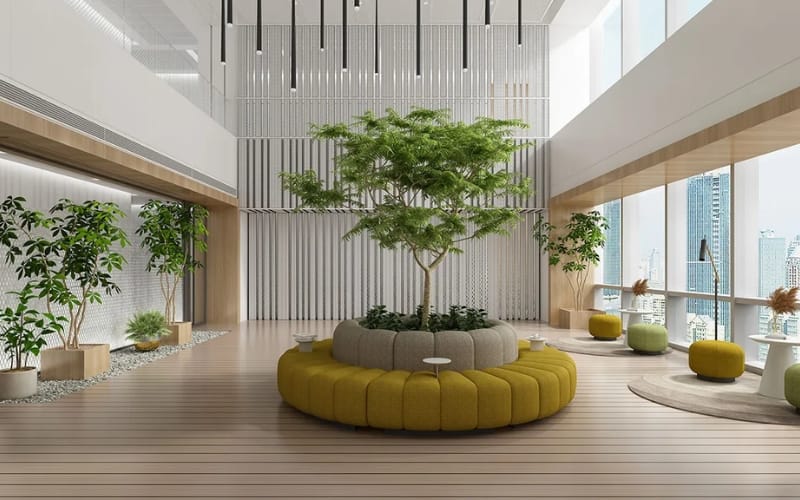
Caterpillar Modular Sectional Sofa
Step 6: Consider Special Features
Power and USB Access
More waiting areas now include charging capabilities. If your guests wait with phones or laptops, integrated power is a significant amenity.
-
In-arm power outlets: Convenient but adds cost
-
Table-mounted outlets: Requires tables between chairs
-
Floor boxes: Flexible but requires floor installation
Tables and Surfaces
-
Side tables: Provide surface for drinks, phones, reading materials
-
Shared tables: Good for families or groups
-
Integrated tablet arms: Space-efficient but less comfortable for extended waiting
Color and Aesthetics
| Color Strategy | Effect | Best For |
|---|---|---|
| Neutral (beige, gray, taupe) | Calm, professional, timeless | Medical offices, corporate settings |
| Brand colors as accents | Reinforces identity, adds energy | Corporate lobbies, modern practices |
| Warm tones (earth, terracotta) | Welcoming, relaxing | Spas, salons, hospitality |
| Cool tones (blue, green) | Calming, clinical association | Medical, dental, wellness |
Recommended Lounge Chairs by Setting
Best for Medical Offices: Heavy-Duty Vinyl with Infection Control
Look for chairs with seamless vinyl upholstery, bleach-cleanable surfaces, and sturdy steel frames. Armrests should be easy to clean without crevices. Consider bariatric options for larger patients.
Features to prioritize: Bleach-cleanable, seamless construction, weight capacity 300–500 lbs, arms for standing assistance
Best for Corporate Lobbies: Performance Fabric with Professional Aesthetics
Performance fabrics like Crypton offer stain resistance while providing a soft, fabric feel. Choose mid-back chairs with clean lines that align with your brand aesthetic. Consider a mix of individual chairs and small sofas.
Features to prioritize: Stain-resistant fabric, mid-back support, mix of seating types, brand colors
Best for Hospitality: Modular Systems with Premium Comfort
Hotels and high-end lobbies benefit from modular seating systems that create cohesive, inviting arrangements. Look for high-density foam, premium upholstery, and designs that encourage conversation.
Features to prioritize: Modular flexibility, high comfort, visual appeal, integrated power options
Best for High-Traffic Public Spaces: Heavy-Duty Plastic or Metal Frame
For spaces like transportation hubs or large public waiting areas, consider chairs with heavy-duty polypropylene seats and powder-coated metal frames. They clean easily and withstand constant use.
Features to prioritize: Durable frame, easy-clean surfaces, stacking or ganging options, vandal-resistant
Common Mistakes to Avoid
| Mistake | Why It’s Problematic | Better Approach |
|---|---|---|
| Choosing style over durability | Chairs look great but fail within months | Prioritize commercial-grade materials and construction |
| Ignoring cleaning requirements | Fabric chairs in medical settings harbor germs | Match material to cleaning frequency and disinfectant use |
| Overcrowding the space | Feels cramped; accessibility issues | Follow spacing guidelines; allow clear pathways |
| Forgetting about accessibility | Some users cannot use certain chairs | Include armrests; ensure wheelchair-accessible spaces |
| Buying without testing | Chairs that look comfortable may not be | Test with representative users before bulk purchase |
Maintenance Tips for Long Life
Daily
-
Wipe spills immediately
-
Spot-clean visible marks
-
Straighten cushions and arrangements
Weekly
-
Vacuum fabric upholstery
-
Wipe vinyl or leather with appropriate cleaner
-
Check for loose hardware
Quarterly
-
Deep clean upholstery (professional as needed)
-
Inspect frames and mechanisms
-
Rotate cushions if possible
Annually
-
Professional cleaning for fabric chairs
-
Condition genuine leather
-
Assess wear and plan for replacement of worn units
FAQ about Lounge Chairs
1. What’s the best fabric for high-traffic waiting areas?
Crypton or solution-dyed acrylic fabrics offer excellent stain resistance, durability, and bleach-cleanability. For medical settings, vinyl or PU leather is often preferred for infection control.
2. How many chairs do I need for my waiting area?
Calculate based on peak wait times and expected patient or visitor volume. A general rule: provide seating for 80–100% of peak occupancy, as not all visitors will sit (some stand, some are with others).
3. Should waiting area chairs have arms?
Arms assist standing, which is valuable for elderly or mobility-impaired users. However, arms take more space and can be harder to clean. A mix—some with arms, some without—often works best.
4. How do I clean vinyl waiting room chairs?
Most vinyl chairs clean easily with mild soap and water or commercial disinfectant wipes. For medical settings, use EPA-approved disinfectants that are compatible with vinyl.
5. What’s the difference between commercial and residential lounge chairs?
Commercial chairs are built with heavier frames, higher-density foam, and more durable upholstery. They’re designed for daily use by dozens of users and typically meet fire safety codes required for public spaces.
6. How long should waiting area chairs last?
With proper maintenance, quality commercial lounge chairs last 7–15 years. Lower-quality chairs may need replacement in 3–5 years. Invest in durability—replacing chairs frequently costs more over time.
Wrapping Up
Choosing lounge chairs for waiting areas is about balancing comfort, durability, aesthetics, and practicality. The right chairs make visitors feel welcomed and valued. The wrong chairs can make a wait feel endless.
Start with your setting: medical, corporate, hospitality, or public space dictates materials and features. Prioritize durability—commercial-grade construction, easy-clean upholstery, and solid frames. Plan your layout with spacing and accessibility in mind. And test before you commit—comfort is subjective, and real users are the best judges.
When you get it right, your waiting area becomes more than a place to wait. It becomes a reflection of your organization’s care and professionalism—setting the tone for every interaction that follows.