





 Meet&Co
Remember when a “modern classroom” meant arranging desks in rows instead of columns? Those days feel almost quaint now. In 2026, the conversation around educational spaces has shifted dramatically—from where students sit to how they learn.
Active learning furniture isn’t just about comfort or aesthetics. It’s a pedagogical tool that shapes how students interact, collaborate, and engage with content. Research consistently shows that physical environment accounts for up to 16% of the variation in student learning progress, with flexibility being one of the most influential factors.
But with so many options available—modular desks, wobble stools, standing tables, soft seating, mobile whiteboards—how do you choose what’s right for your students? This guide walks you through everything you need to know about selecting active learning furniture in 2026, from understanding the core types to evaluating quality and fit for your specific educational context.
What Is Active Learning Furniture?

Active learning furniture refers to pieces designed to support dynamic, student-centered teaching methods rather than passive lecture-style instruction. Unlike traditional fixed furniture, active learning pieces are:
- Mobile: Equipped with casters for easy reconfiguration
- Adjustable: Accommodating different body sizes and learning preferences
- Versatile: Supporting multiple activities within a single class period
- Comfortable: Designed for extended use without physical strain
As one Swedish study noted, “Learning environments must change to enable students to take on a variety of learning experiences, whether different teachers, different co-learners, different places or different styles of learning”. Active learning furniture makes this possible.
Why Active Learning Furniture Matters in 2026
The Pedagogical Shift
Classrooms today look nothing like they did a decade ago. Direct instruction still happens, but it’s interspersed with group work, independent study, project-based learning, and whole-class discussions—often within a single lesson. Traditional fixed furniture can’t support this variety.
The Neurodiversity Imperative
2026’s classrooms increasingly recognize that one size doesn’t fit all. Neurodivergent students—those with ADHD, autism, or sensory processing differences—often need movement, alternative seating, or quiet zones to regulate and focus. Active learning furniture provides these options naturally.
Also see:
What is the ADHD Chair Called? A Complete Guide
Best ADHD Chair for Adults in 2026: Ultimate Guide
Four Key 2026 Trends in Active Learning Furniture
1. Organic and Biophilic Design
The rigid rectangles of traditional classroom furniture are giving way to softer, organic shapes. The Scarabee furniture pilot at Utrecht University features organically shaped, movable tables designed specifically to encourage collaboration and communication. These curved forms feel less institutional and more inviting, reducing the psychological barriers to interaction.
2. Integrated Technology
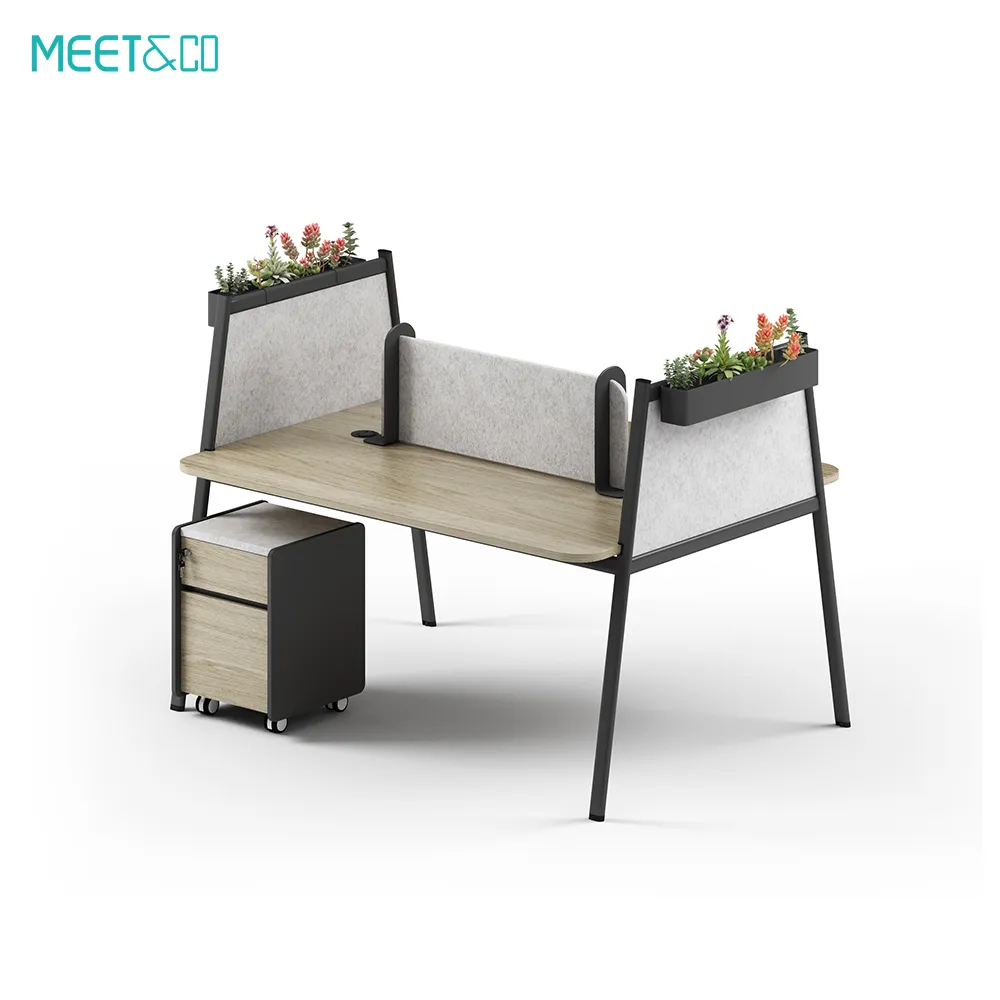
With 1:1 device programs now standard in many schools, furniture must accommodate technology seamlessly. Built-in power outlets, USB charging ports, and cable management systems are no longer luxuries—they’re essentials. Some advanced desks even feature wireless charging surfaces.
3. Sustainability as Standard
Schools increasingly prioritize furniture with GREENGUARD Gold or FSC certifications. These ensure low VOC emissions (protecting indoor air quality) and responsible sourcing. In 2026, sustainability isn’t a bonus—it’s an expectation.
4. Zoned Learning Spaces
Rather than one-size-fits-all classrooms, modern designs create distinct zones for different activities: collaboration zones with modular tables, quiet zones with soft seating, presentation zones with mobile whiteboards, and active zones with standing desks.
Types of Active Learning Furniture
Understanding the options helps you mix and match for your specific needs.

1. Modular Desks and Chairs
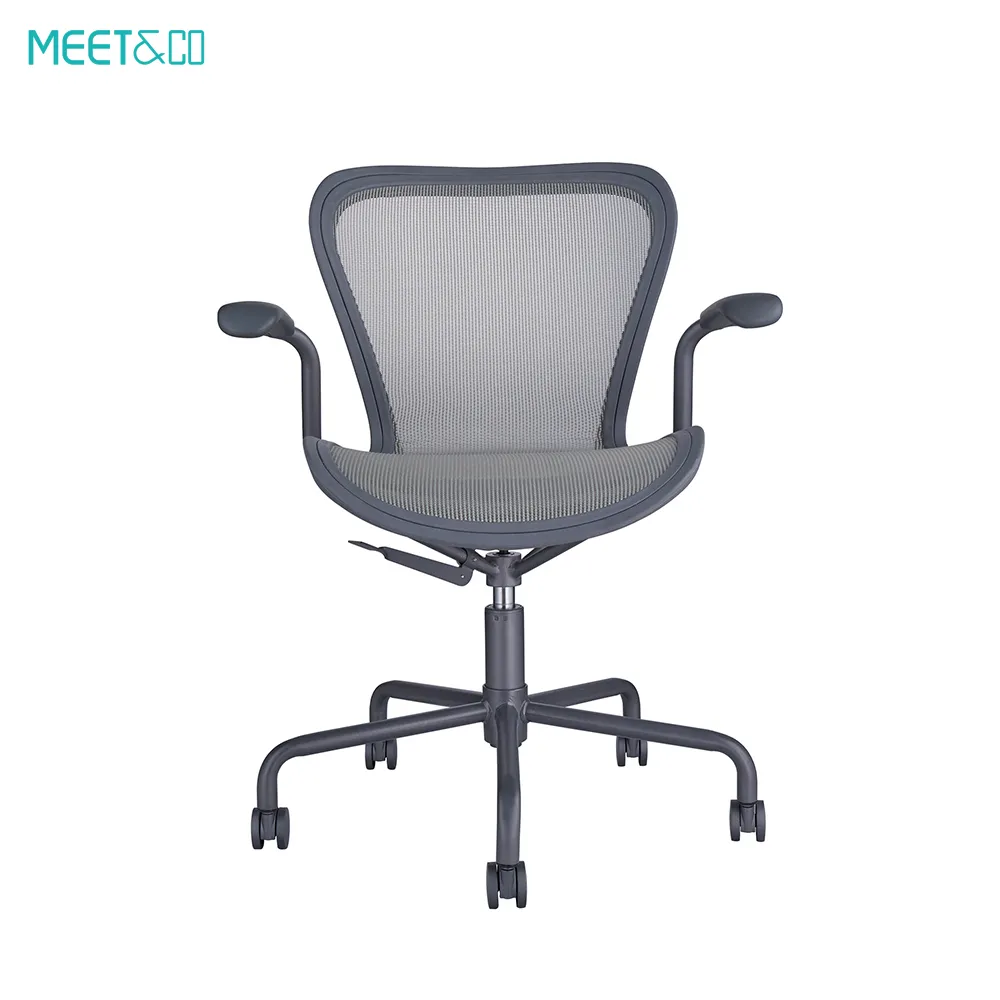
Individual, lightweight units that can be rearranged into rows, circles, pods, or U-shapes in minutes. Many feature casters for easy mobility.
Best for: Classrooms that shift between multiple configurations daily
2026 trend: Desks with built-in whiteboard surfaces for brainstorming without leaving seats
2. Collaborative Tables
Larger work surfaces designed to seat multiple students, available in circular, oval, rectangular, or kidney shapes. Often modular so multiple tables can connect.
Best for: Project-based learning, STEM labs, discussion-based seminars
2026 trend: Trapezoidal and hexagonal shapes that create flexible clusters
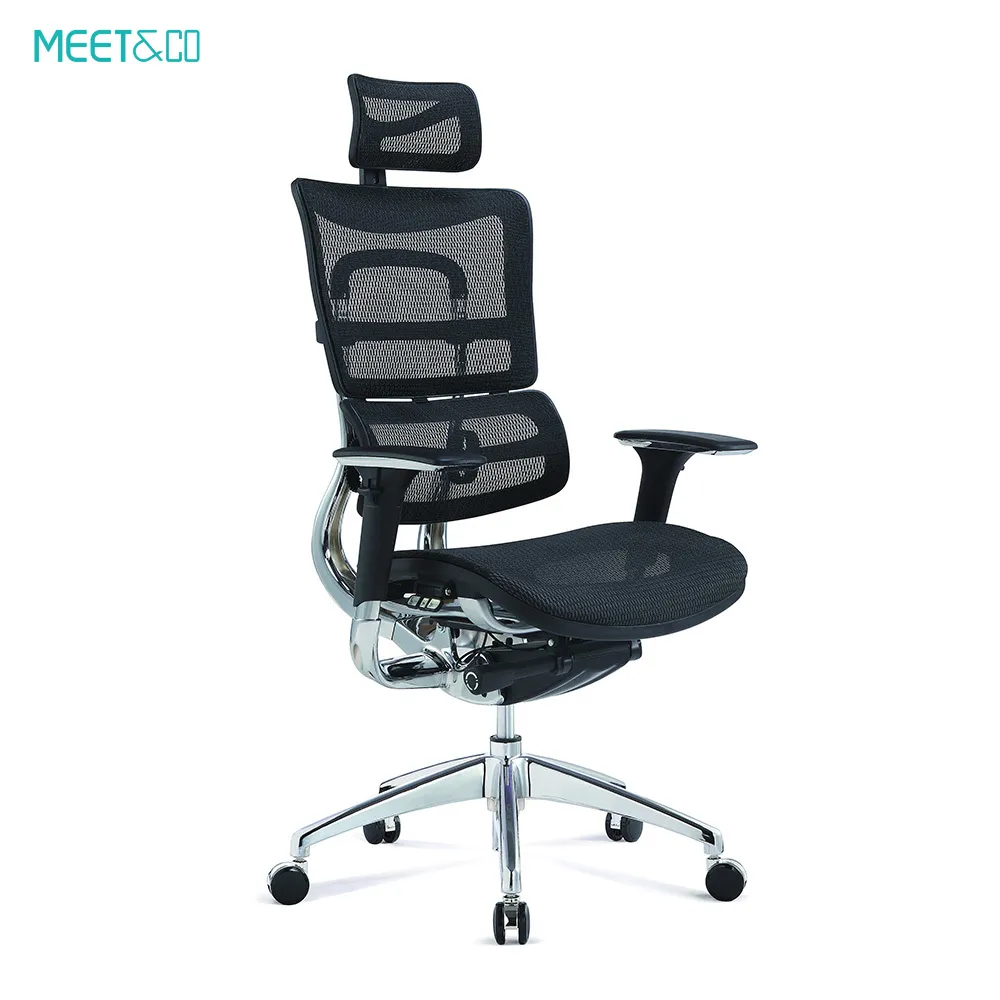
3. Ergonomic and Active Seating
Beyond basic chairs, this category includes wobble stools, kneeling chairs, balance balls, and standing desks. These options support healthy posture and allow subtle movement that actually enhances focus for many students.
Best for: Students who struggle with sitting still, extended learning sessions
2026 trend: Seats with built-in subtle rock or bounce mechanisms
4. Soft Seating
Bean bags, floor cushions, modular lounge pieces, and scoop chairs create comfortable, informal learning areas. These signal that the space is for students, not just for instruction.
Best for: Reading corners, independent work zones, calming spaces
2026 trend: Modular soft seating that can be reconfigured into different shapes
5. Mobile Whiteboards
Portable writing surfaces on wheels that serve multiple functions: brainstorming tools, room dividers, presentation aids, and privacy screens.
Best for: Group work, visual learning, dynamic instruction
2026 trend: Double-sided boards with magnetic surfaces
6. Standing-Height Tables
Higher surfaces that allow students to work upright. Some students concentrate better when standing, and these tables also work well for quick collaborations or as gathering spots.
Best for: Active learners, quick transitions, mixed-age classrooms
Furniture Types for Active Learning Furniture
| Furniture Type | Description | Best Use Case |
| Individual Work Furniture | Desks or chairs arranged in lines or rows for focused solo work | Tests, reading, individual assignments |
| Group Territory Furniture | Tables where students face each other with walls or boundaries creating a sense of territory | Collaborative projects, team discussions |
| Free Layout Furniture | Tables without fixed orientation that students can easily move and arrange themselves | Student-directed learning, creative projects |
| Social Furniture | Rugs, stages, high tables without chairs—no specified face direction | Whole-class gatherings, presentations, discussions |
The placement of Social Furniture is particularly important. When placed at circulation intersections, it becomes a teaching hub separate from work areas. When placed centrally, it connects surrounding activity zones and supports a wider range of functions.
5 Core Features to Evaluate When Choosing Active Learning Furniture
1. Mobility
Look for durable, lockable casters that roll smoothly on your floor type. Locking wheels ensure stability during use; smooth casters protect floors and allow quiet movement.
Why it matters: Teachers need to reconfigure rooms quickly—ideally in under 60 seconds for a 24-seat room.
2. Adjustability
Height-adjustable furniture accommodates students of different sizes and allows both sitting and standing options. Some desks also offer tilt-adjustable surfaces for different tasks.
Why it matters: One piece of furniture should serve multiple students over years, not just one cohort.
3. Durability
Look for reinforced steel frames, scratch-resistant laminates, and impact-absorbing edges. Furniture should withstand constant movement, reconfiguration, and occasional spills.
Why it matters: School furniture faces more abuse than almost any other category. Quality construction extends lifespan from 2–3 years to 10+ years.
4. Safety Certifications
Ensure compliance with ANSI/BIFMA standards for stability and strength. Look for rounded edges, non-toxic finishes, and tip-resistant designs.
Why it matters: Student safety is non-negotiable, and proper certifications provide assurance.
5. Cleanability
Surfaces should be non-porous and easy to wipe down. Fabric choices should resist stains or have removable, washable covers.
Why it matters: Classrooms are high-germ environments. Easy cleaning supports health.

The 10-Step School Furniture Procurement Process
Professional buyers follow a structured approach to avoid costly mistakes :
- Form a dedicated team: Include facility managers, educators, and financial officers
- Align furniture with educational vision: Define your teaching goals first
- Shortlist experienced suppliers: Check track records with similar projects
- Provide initial requirements and layouts: Share floor plans and needs
- Conduct site visits: See how furniture holds up in real schools
- Hands-on testing: Organize “Sit, Touch & Try” sessions
- Pilot classroom trial: Test in one room for a month before full commitment
- Finalize design and budget: Adjust based on pilot feedback
- Obtain final approval: Ensure all compliance documentation is in place
- Post-installation review: Inspect quality and establish maintenance schedules
Common Mistakes to Avoid
1. Buying Based on Looks Alone
Aesthetic appeal matters, but function matters more. That beautiful wooden table may not withstand daily abuse as well as a laminate option.
2. Ignoring Teacher Input
Teachers will use this furniture every day. Involve them early and incorporate their feedback.
3. Forgetting About Storage
Flexible furniture needs somewhere to go when not in use. Stackable chairs, nesting desks, and vertical storage solutions maximize space.
4. Underestimating Maintenance Needs
Casters need cleaning. Hinges need lubrication. Fabric needs spot-cleaning. Plan for ongoing maintenance from the start.
5. Buying All at Once
Start small with a pilot classroom. Learn what works for your students before scaling up.
How to Match Furniture to Learning Activities
Different activities benefit from different configurations :
| Learning Activity | Ideal Furniture Mix |
| Direct instruction | Modular desks arranged in rows or slight curve, ergonomic chairs |
| Group collaboration | Collaborative tables, mobile whiteboards, soft seating nearby |
| Independent work | Individual desks with some separation, quiet zone with soft seating |
| Whole-class discussion | Armless chairs easily moved into circle, mobile whiteboard for capturing ideas |
| Stations/rotations | Mix of table types defining different zones, clear pathways |
| Presentations | Audience seating facing presentation area, mobile whiteboard or screen |
Budget Considerations
Active learning furniture ranges widely in price. Here’s what 2026 pricing typically looks like:
- Basic wobble stools: $40–80 each
- Modular student desks: $150–400 each
- Ergonomic task chairs: $200–600 each
- Collaborative tables: $500–1,200 each
- Soft seating modules: $300–800 each
- Mobile whiteboards: $200–500 each
- Full classroom transformation: $5,000–15,000 depending on size and quality
Remember the “value-first” principle: a $500 chair that lasts 10 years costs $0.13 per school day—far less than replacing a $200 chair every 2–3 years.
Implementation Tips
Start Small
Begin with a few flexible elements—some wobble stools, a mobile whiteboard, a small soft seating area—and expand based on what works.
Establish Clear Routines
Students need to learn how to use flexible furniture appropriately. Teach expectations for different configurations and how to transition between them.
Gather Student Feedback
Ask students what setups help them focus. They’ll tell you, and involving them increases ownership.
Plan for Transitions
A good flexible classroom can reconfigure in under 2 minutes. Practice transitions until they become routine.
Keep Pathways Clear
Even with flexible furniture, maintain clear circulation routes. Students and teachers need to move safely through the space.
Conclusion
Choosing active learning furniture in 2026 isn’t about following trends—it’s about intentionally designing spaces that support how students actually learn. The best classrooms offer variety: areas for collaboration when needed, quiet zones for focus when required, and furniture that adapts to different activities throughout the day.
Start with your educational goals, not the furniture catalog. Involve teachers and students in the process. Test before committing. And remember that quality matters—well-made furniture costs more upfront but delivers better long-term value and student outcomes.
The classroom of 2026 isn’t a place where learning happens despite the furniture. It’s a place where furniture actively enables learning. Choose wisely, and your students will thank you for years to come.
FAQ
What’s the difference between flexible seating and active learning furniture?
Flexible seating typically refers to seating options (wobble stools, cushions, etc.), while active learning furniture encompasses the entire classroom ecosystem—desks, tables, whiteboards, storage—all designed to support dynamic teaching and learning.
How much does active learning furniture cost?
Costs vary widely. A basic classroom transformation might run $5,000–15,000. Premium setups with fully adjustable, technology-integrated furniture cost more. Start small and scale based on what works.
Do students actually learn better with flexible furniture?
Research suggests yes. A 2021 study found that flexible classrooms significantly increased both behavioral and emotional engagement. Students reported feeling more involved and more connected to classmates.
How do I manage behavior with flexible seating?
Clear expectations and consistent routines are essential. Teach students how to use furniture appropriately, establish rules for transitions, and gather feedback to adjust as needed.
What about students with physical disabilities?
Flexible furniture can actually support inclusion better than fixed arrangements. Ensure pathways remain accessible, provide appropriate seating options, and involve specialists in planning.
How quickly can a classroom be reconfigured?
With quality furniture on casters and established routines, a 24-seat room can transition between configurations in under 2 minutes.