






 Meet&Co
Have you ever walked into a furniture showroom in Dubai and paused when you saw the price? You may go in to check a simple office desk, then realize it costs much more than you planned to spend. The sofa you liked could take a large share of your renovation budget. Sales staff often say these prices are standard, yet the numbers still feel surprisingly high.
At some point, you may hear that many businesses buy furniture directly from China. People say the savings can be significant. That idea naturally gets your attention. Still, the process can feel unclear at first. Shipping steps, customs procedures, supplier checks, and payment terms may seem complicated when you have never imported products before.
This guide walks you through the process of importing furniture from China to the UAE in a practical way. You will see what the process looks like, what costs usually appear, and how businesses manage direct imports with better control over their budget.
Why China Dominates UAE Furniture Imports
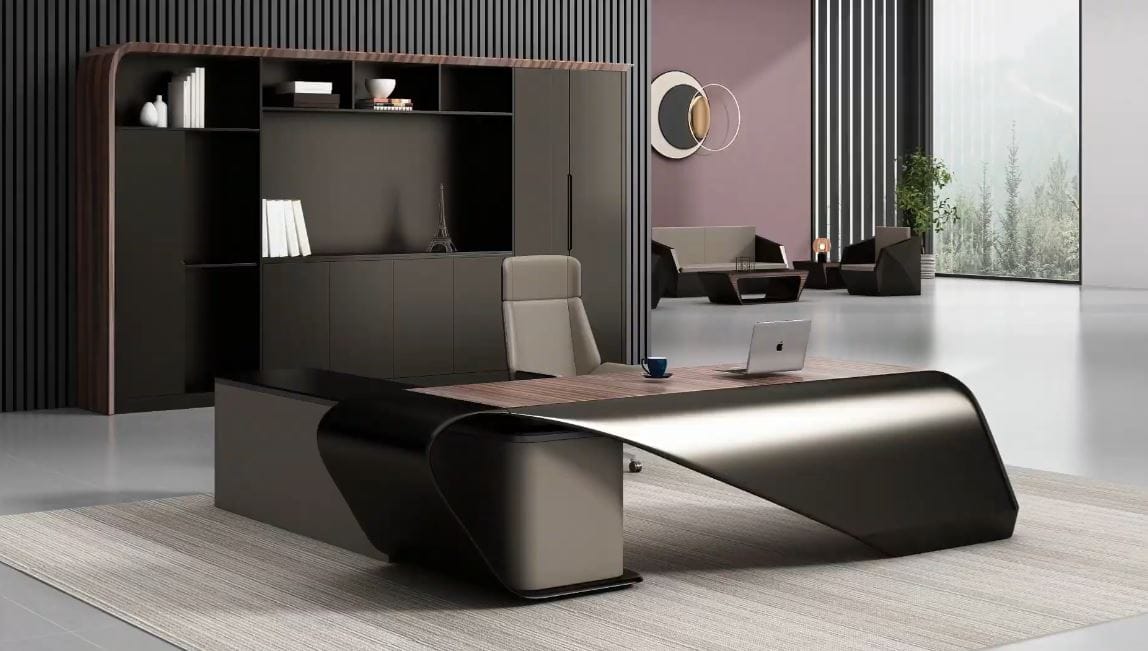
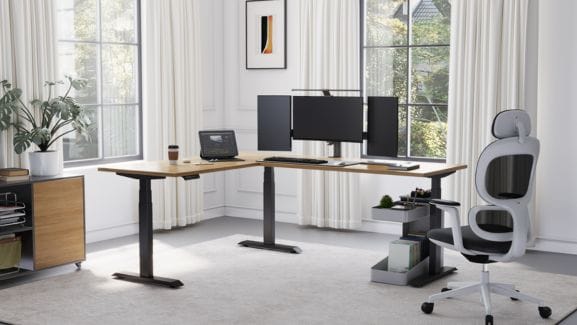
Executive Wooden L Shape Office Desks
The numbers tell an interesting story about where UAE furniture actually comes from. China supplies 30% of all furniture imports into the UAE market. That percentage equals over 5 million shipments annually flowing from Chinese ports to Jebel Ali and other UAE destinations.
Key Advantages of Chinese Furniture Manufacturing:
- Massive production capacity: China produces over 40% of global furniture exports
- Concentrated manufacturing hubs: Foshan alone houses 7,000+ furniture factories
- Competitive pricing: Factory density creates price competition, benefiting buyers
- Endless variety: Every furniture style from modern to traditional is available
- Customization flexibility: Modify colors, materials, dimensions, and finishes easily
- Proven export infrastructure: Decades of experience shipping worldwide
- Scalable orders: Handle everything from small containers to hotel projects
The math makes sense when you break down the advantages. Chinese manufacturers have spent decades building infrastructure that no other country can match. This density creates competition that drives prices down while pushing quality up.
You get access to every furniture style imaginable. Modern minimalist office desks ship alongside ornate traditional dining sets. Outdoor patio collections sit next to luxury hotel suites. Whatever your UAE customers want, Chinese suppliers probably make ten versions of it already.
Customization separates Chinese suppliers from alternatives. Vietnamese or Malaysian factories often require huge minimum orders for custom work. Chinese manufacturers customize everything from fabric colors to wood finishes to metal hardware. You can create furniture that matches UAE tastes perfectly without compromising your vision.
Understanding furniture shipping from China to Dubai

Getting furniture from China to your UAE warehouse involves choosing between several shipping approaches. Each method suits different situations and budgets.
1. LCL Shipping for Smaller Orders
LCL means Less than Container Load. You pay only for the space your furniture occupies inside a shared container. This works perfectly when you’re ordering 5 to 15 cubic meters of furniture.
The cost runs approximately AED 1,200 to AED 2,300 per cubic meter. Your furniture gets packed with shipments from other buyers heading to the UAE. The shipping company consolidates everything at Chinese ports, then splits it back out in Jebel Ali.
Transit time takes 18 to 25 days, typically. You add a few extra days for consolidation on both ends. LCL makes sense for testing new suppliers or ordering small quantities initially.
2. FCL for Larger Shipments
FCL stands for Full Container Load. You rent an entire 20-foot or 40-foot container exclusively. This becomes cost-effective once you’re shipping more than 15 cubic meters of furniture.
A 20-foot container shipping from China to Dubai costs between $1,000 and $3,000, depending on season and route. That same container holds roughly 25 to 28 cubic meters of furniture. The per-cubic-meter cost drops significantly compared to LCL once you fill the container to capacity.
Your furniture stays protected better in FCL because nothing else shares the space. Loading and unloading happen just once at each end. Transit time typically runs 14 to 20 days.
3. DDP for Maximum Convenience
DDP means Delivered Duty Paid. The shipping company handles absolutely everything from factory pickup to your Dubai warehouse delivery. They manage customs clearance, pay all duties and taxes, and coordinate final delivery.
You pay more for DDP service, but you eliminate all the complexity. One invoice covers the entire journey. This works beautifully when you’re new to importing and want to avoid customs headaches.
Airfreight exists for urgent orders but costs AED 20 to AED 40 per kilogram. Only use this for rush orders or high-value lightweight items. The expense rarely justifies the speed for bulk furniture.
Always ensure your shipments comply with UAE furniture import regulations, including customs duties, safety standards, and labeling requirements, to avoid delays or fines at the port.
Finding Reliable Chinese Furniture Suppliers

Meet&Co Singapore Showroom
Locating quality manufacturers in China requires knowing where to look. Several proven approaches work consistently.
Alibaba and Online Platforms
Alibaba hosts thousands of furniture suppliers with detailed profiles. Start by filtering for verified manufacturers with Trade Assurance. Look for companies showing factory audit reports from Bureau Veritas or Intertek.
Pay attention to response times when sending inquiries. Suppliers answering within 24 hours professionally demonstrate good communication habits. Slow or vague responses indicate potential future problems.
Check uploaded certifications carefully. ISO 9001 shows that quality management systems exist. FSC certification proves sustainable wood sourcing. Fire safety certifications matter for UAE imports specifically.
Trade Shows and Exhibitions
The Canton Fair happens twice yearly in Guangzhou. Phase 2 focuses entirely on furniture and runs for several days. You’ll see hundreds of manufacturers displaying their latest products. Walking the show floors beats online research because you touch and test everything.
The China International Furniture Fair in Shanghai attracts global buyers every year. Shenzhen hosts specialized exhibitions focusing on modern designs. These shows let you compare suppliers directly and negotiate terms face to face.
Book hotel rooms early because accommodation fills up quickly during major shows. Plan at least 3 to 4 days to cover the exhibition halls adequately. Bring business cards and detailed requirements to maximize your time.
Direct Factory Contact
Search Google for specific furniture types combined with China manufacturing terms. Many excellent factories maintain professional websites but skip Alibaba. These suppliers often provide better pricing because they avoid platform fees.
Email several factories with your exact requirements. Request product catalogs, pricing sheets, and MOQ details. The responses reveal communication quality and willingness to work with your needs.
Video calls work wonderfully for initial conversations. Seeing the factory contact person builds trust faster than emails alone. Request virtual factory tours if visiting in person isn’t possible immediately.
Also see: How to Find the Best Wholesale Furniture Factory in China: 2026 Guide
Breaking Down furniture import cost from China
Understanding total landed costs prevents budget surprises. Several expense categories add up beyond the furniture purchase price.
| Cost Category | Typical Range | Notes |
| Furniture FOB Price | Varies by product | Factory price plus delivery to the Chinese port |
| Sea Freight (20ft) | $1,000 to $3,000 | Depends on season and shipping line |
| Customs Duty | 5% of CIF value | Standard rate for furniture in the UAE |
| VAT | 5% of CIF plus duty | UAE VAT applies to imports |
| Customs Clearance | AED 500 to AED 1,500 | Agent fees for paperwork |
| Local Transport | AED 300 to AED 1,000 | Jebel Ali to your warehouse |
| Marine Insurance | 0.5% to 2% of the value | Protects against shipping damage |
| Quality Inspection | $200 to $800 per visit | Third-party QC before shipping |
Budget an extra 10% to 15% above FOB prices for all the additional costs. This prevents running short on funds when clearing customs or arranging final delivery.
Documentation Requirements for UAE Imports

Furniture customs clearance in the UAE requires specific paperwork prepared correctly. Missing or incorrect documents cause costly delays at Jebel Ali Port.
1. Essential Import Documents
Commercial Invoice: Shows the exact purchase price, payment terms, and detailed product descriptions. The invoice must match the actual goods arriving in the UAE. Any discrepancies trigger customs inspections.
Packing List: Details every carton’s contents, dimensions, and weight. Customs uses this to verify physical goods against invoice claims. Number each carton clearly, matching the packing list exactly.
Bill of Lading: Proves ownership and shipping arrangements. The ocean carrier issues this document after loading your container. You need the original for customs clearance, typically.
Certificate of Origin: Documents where manufacturing actually occurred. China issues these through official chambers of commerce. UAE customs requires this to apply the correct duty rates.
Trade License: Your UAE company needs a valid trade license listing “importing” as an approved activity. Free zone licenses work differently, so verify requirements for your specific zone.
Import Code: Register for your Emirates Resident Visa copy and the General Manager’s passport. The import code links to your trade license and enables customs declarations.
2. Additional Certifications
Quality certificates help smooth customs processes.
Helpful Quality Certificates:
- Material test reports meeting UAE safety standards
- Fire resistance certificates for upholstered furniture
- Fumigation certificates proving pest treatment for wood products
- Environmental compliance for furniture finishes
- Lead content testing for paints and fabric treatments
- VOC emissions testing for indoor air quality
UAE customs increasingly check environmental compliance. Ensure furniture finishes don’t contain restricted chemicals. Lead content in paints or fabric treatments causes rejection at ports.
Keep digital and physical copies of all documentation. Email copies to your customs agent before the shipment arrives. Having paperwork ready accelerates clearance significantly.
Quality Control Before Shipping
Inspecting furniture before it leaves China prevents discovering problems 20 days later. Several inspection strategies protect your investment.
1. Pre Production Samples
Order samples of your exact furniture before approving mass production. Test the materials, construction methods, and finishes personally. Samples reveal if the supplier understands your requirements correctly.
Pay for samples because free ones often use better materials than production pieces. The $50 to $200 sample cost avoids $10,000 mistakes later.
2. During Production Inspections
Hire third-party inspectors to visit factories during manufacturing. They check materials match specifications, and assembly follows proper procedures. Catching problems during production costs far less than rejecting finished goods.
Inspection companies charge $200 to $400 per factory visit, typically. Schedule inspections at 30%, 70%, and 100% production completion for large orders.
3. Final Pre-Shipment Inspection
The most critical inspection happens after production finishes but before container loading. Inspectors verify every piece meets quality standards. They check the packaging adequacy for the ocean journey to the UAE.
Request detailed photo reports showing any defects found. Reputable suppliers fix problems immediately rather than shipping defective goods. This step alone justifies the inspection expense.
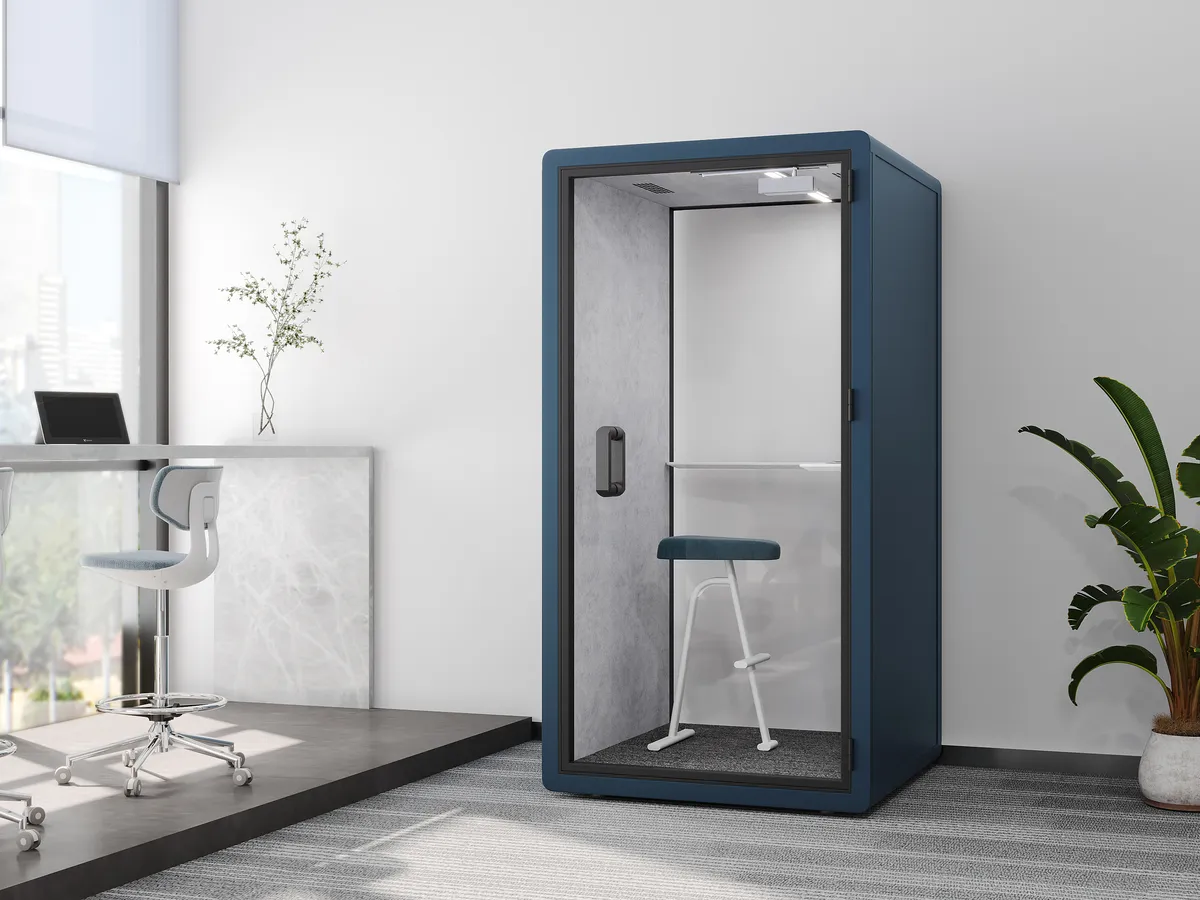
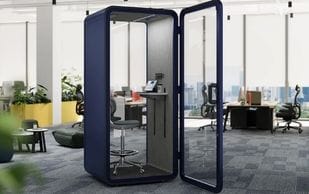
Meet&Co Office Pod Series A
Common Importing Mistakes to Avoid
Learning from others’ expensive errors saves you money and frustration. Watch out for these frequent problems.
1. Skipping Factory Visits
Photos and videos only reveal so much about a supplier. Walking through their factory shows the true production scale and quality processes. You spot potential problems that catalogs hide.
Budget for at least one China visit before placing large orders. The plane ticket costs less than one container of defective furniture. Meeting suppliers in person builds relationships that benefit you long-term.
2. Ignoring Minimum Order Quantities
Manufacturers set MOQs for good economic reasons. Ordering below the MOQ often means paying premium prices or receiving lower priority service. Some suppliers simply refuse small orders outright.
Ask about MOQs upfront before investing time in detailed discussions. Some factories require 50 pieces per model, while others accept mixed container orders. Knowing MOQ requirements helps you plan realistic first orders.
3. Paying Full Amount Upfront
Never pay 100% before inspecting finished goods. Standard terms involve 30% deposit and 70% upon completion before shipping. This protects you if the quality doesn’t match expectations.
Suppliers requesting full payment before production likely lack financial stability. Reputable manufacturers have working capital and don’t need your entire payment immediately.
4. Assuming Faster is Better
Rushing production usually degrades quality. Furniture requires proper curing time for finishes and adequate assembly processes. Suppliers promising impossible timelines often cut corners to meet deadlines.
Allow realistic production schedules. Simple furniture needs 25 to 35 days, typically. Custom or complex pieces require 45 to 60 days. Plan your orders accounting for these timeframes.
Practical furniture importing guides :
- How to Import Furniture from China to the US in 2026
- How to Import Furniture from China to Canada? 2026 Guide
- How to Import Furniture from China to Australia 2026
Typical Import Timeline Breakdown
Understanding how long each step takes helps you plan inventory needs properly.
| Phase | Duration | Notes |
| Supplier Research | 1 to 2 weeks | Comparing options and requesting quotes |
| Sample Orders | 2 to 3 weeks | Manufacturing and shipping samples |
| Negotiation & Contract | 3 to 7 days | Finalizing terms and payment |
| Production | 25 to 45 days | Depends on furniture complexity |
| Quality Inspection | 1 to 2 days | Pre shipment QC checks |
| Container Loading | 1 to 2 days | Packing and port delivery |
| Ocean Transit | 14 to 20 days | China to Jebel Ali port |
| Customs Clearance | 2 to 5 days | UAE import processing |
| Local Delivery | 1 to 3 days | Port to your warehouse |
The total timeline runs 60 to 90 days from initial contact to goods at your facility. Plan accordingly when projecting when inventory becomes available for sale.
Chinese New Year adds 3 to 4 weeks to any order spanning January or February. Factories close completely during this period. Schedule around this annual shutdown.
About Meet&Co Furniture
Meet&Co has specialized in furniture manufacturing and export since 2007. The company serves over 100,000 customers across 100+ cities worldwide.
Meet&Co Advantages:
- 17+ years of manufacturing experience across residential, commercial, and hospitality furniture
- Strategic Guangzhou location near Foshan manufacturing and major shipping ports
- Global presence with locations in Singapore, the Philippines, and India
- UAE market expertise, understanding regional preferences for quality and design
- Comprehensive product range including office furniture, sectionals, dining sets, and custom commercial pieces
- Quality construction standards using solid wood frames andhigh-densityy foam cushioning
- Climate-appropriate materials with performance fabrics for Middle Eastern conditions
- Full import support from product selection through delivery and installation
- Flexible customization for materials, colors, dimensions, and finishes
- Multi-stage quality testing with ISO 9001 certification
- Responsive customer service in your time zone with local representation
- Warranty coverage from 1 to 3 years, depending on product categories
Their product range includes office furniture, sectional sofas, dining sets, and custom commercial pieces. Solid wood construction andhigh-densityy foam cushioning form the foundation of their furniture quality. Performance fabrics resistant to Middle Eastern heat and humidity come standard across many product lines.
Visit Meet&Co Furniture to explore their complete product catalog. Request quotes for specific pieces you’re considering. Schedule consultations to discuss your particular importing needs and timeline requirements.
Final Thoughts:
Importing furniture from China to the UAE opens profit margins that local buying never approaches. The 40 to 60% savings compound over time as you reinvest in business growth. Your customers benefit from lower prices while you maintain healthy profits.
Ready to start your importing journey? Contact Meet&Co Furniture today for expert guidance. Their experience serving UAE customers helps you avoid common pitfalls while accelerating your success. Request product catalogs, discuss your specific requirements, and get accurate quotes for the furniture you need.


_4.webp)