





 Meet&Co
You bought a standing desk to save your back, but now your feet are killing you. It’s the classic “standing desk paradox”: standing all day can be just as taxing on the body as sitting.
The secret to a truly healthy workstation isn’t choosing between sitting or standing — it’s movement. A standing desk chair (often called a drafting chair or a perching stool) allows you to transition between heights without interrupting your workflow. In this guide, we’ve tested and ranked the top options for 2026 to help you find your perfect “active” seat.
At a Glance: Our Top Picks
| Category | Our Top Pick | Key Feature |
| Best Overall | Håg Capisco 8106 | Unlimited sitting positions (even backwards). |
| Best for Small Spaces | Varier Move Stool | Lightweight, minimalist, and great for the core. |
| Most Affordable and Practical | Meet&Co Drafting Stool | Budget-friendly and versatile. Ideal for standing desks, office pods, or counter-height desks. |
| Best for Back Pain | Steelcase Gesture (Drafting) | Unrivaled lumbar support and 360-degree arms. |
| Best Active Stool | Safco Focal Upright Mobis II | The ultimate “perching” tool for focus. |
| Best Value | Branch Ergonomic Chair Pro | Premium features at a mid-range price. |
| Best Budget-Friendly | Meet&Co Budding | A solid, dependable ergo chair for your standing desk. |
| Best Tech-Forward Pick | Herman Miller Vantum | A premium gaming chair with “active forward lean.” |
The Different Types of Standing Desk Seating
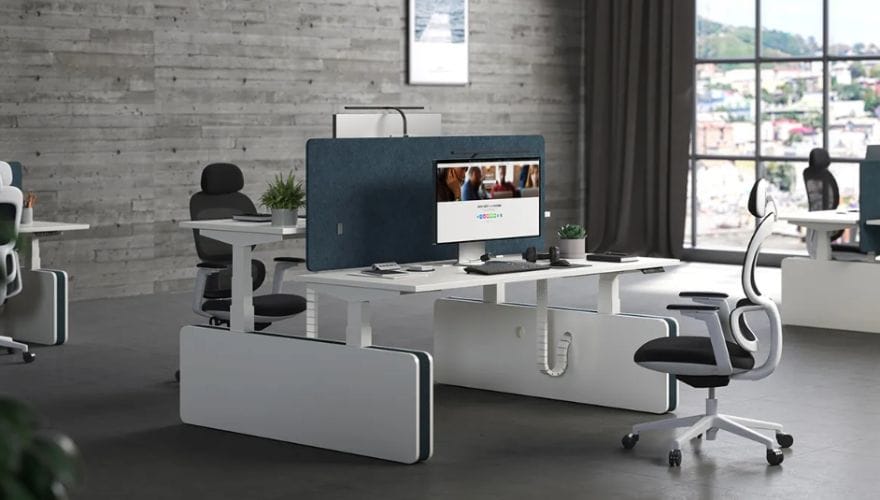
Here are three common types of standing desk chairs.
1. Drafting Chairs: Tall, Supportive Seat
If you like to switch between sitting and standing often, a drafting chair is a great choice. It looks like a regular office chair, but it has a much taller gas lift that can raise you up to your standing desk height. Many have a foot ring you can rest your feet on when you’re sitting high up.
- Best for: People who want a traditional, supportive seat at standing height and like to change their position many times a day.
- Good to know: It gives you the comfort of a backrest but lets you stay at the right height for your desk.
2. Perch/Lean Stools: For “Active Standing.”
A perch stool, or lean stool, is for when you want a break from standing but don’t want to fully sit down. It’s tall and has a small seat that you just lean or perch against. This type of chair keeps your legs active and your posture more upright than a regular chair.
- Best for: People who want an active standing option. It’s perfect for short breaks, taking a phone call, or when you need a little rest but want to stay alert and ready to move.
- Good to know: It helps you stay in a tall, engaged posture without the full effort of standing still.
3. Active Stools & Wobble Chairs: Move While You Sit
These seats are all about movement. They have a rounded or wobbly base (like a ball or a dome) that lets you tilt, sway, and move in all directions while you sit. This constant, gentle movement keeps your core muscles engaged and can help with focus.
- Best for: People who can’t sit still! They are excellent for improving balance, engaging your core, and satisfying the need to fidget, which can help you concentrate better.
- Good to know: They encourage healthy movement and can make long periods of seated work feel more dynamic.
Deep Dive: The 7 Best Standing Desk Chairs for 2026
Here are our reviews of the best chairs for standing desks.
1. The Gold Standard: Håg Capisco 8106
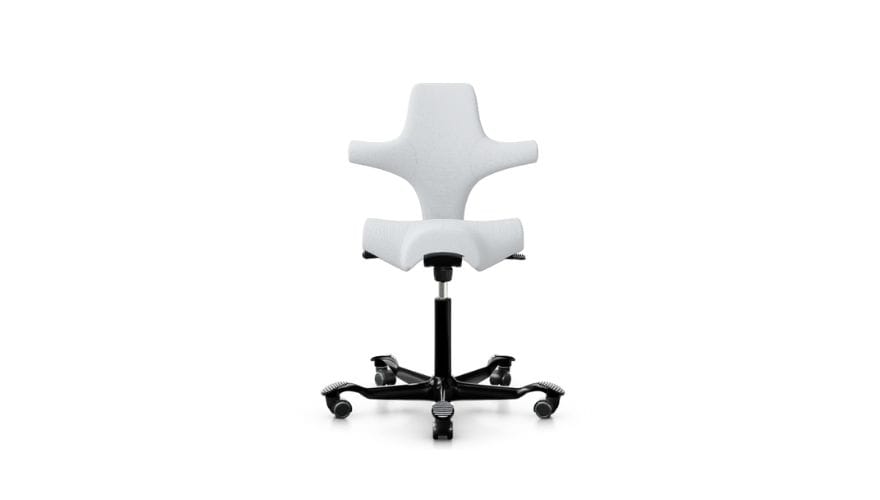
Image source: https://hag-office.com/products/capisco-8106?srsltid=AfmBOoquNnSq_J79M6rTXiTBZlAs9UzMOgDRp47pC6krCIZrALFf_v6Y
The Capisco remains the “coolest” and most functional chair in the ergonomic world. Its unique plus-shaped backrest and saddle seat allow you to sit forward, sideways, or even backward.
- Pros: Encourages constant movement; fits various body types.
- Cons: The saddle seat takes a few days for your sit-bones to get used to.
- Who it’s for: The person who can’t sit still and wants a chair that doubles as a piece of modern art.
2. Best for All-Day Support: Steelcase Gesture (Drafting Version)
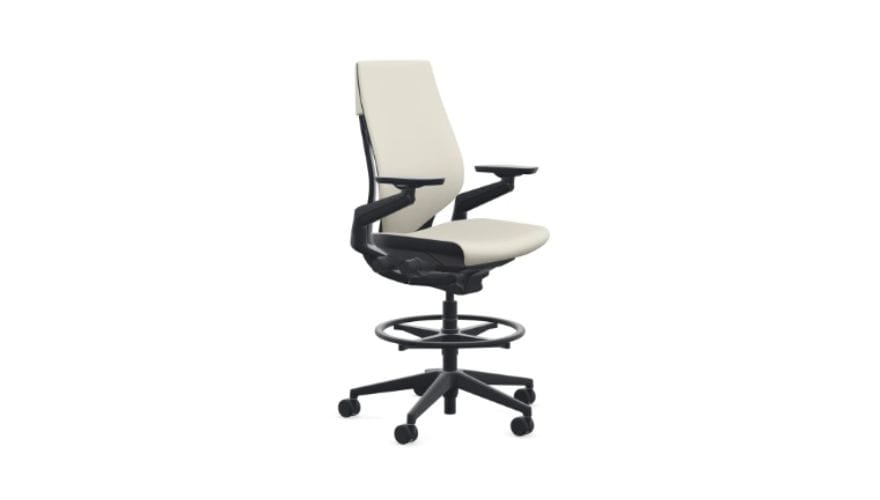
Image source: https://www.thehumansolution.com/steelcase-gesture-drafting-stool.html?srsltid=AfmBOorU2aF2a0ShV-lDPINV9P9x06pzEbj7LE6CDoG4sEJQn0mzCd6P
If you want the comfort of a high-end executive chair but at standing height, this is it. The Gesture is legendary for its armrests, which move like a human arm to support you while typing or using a tablet.
- Pros: Incredible durability; best-in-class armrest adjustability.
- Cons: Heavy and expensive.
- Who it’s for: Professionals who spend 8+ hours at their desk and need maximum support.
3. Most Affordable and Practical: Meet&Co Drafting Stool
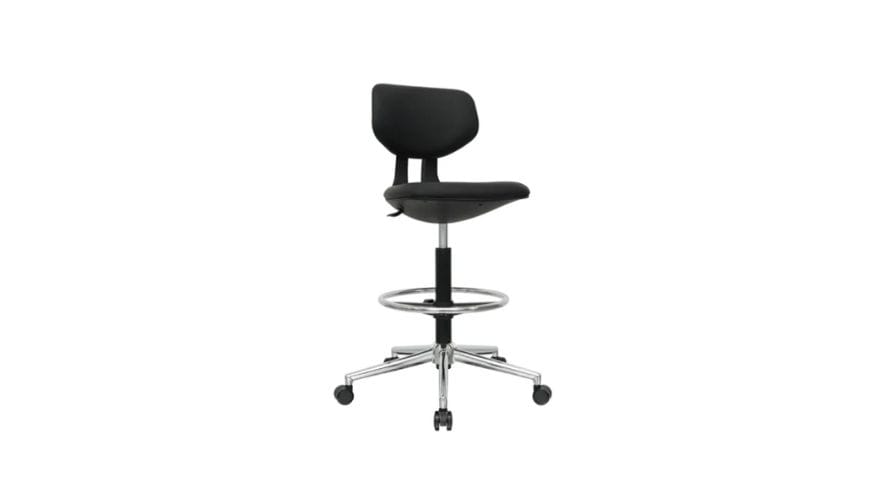
If you’re looking for a smart and budget-friendly way to add a seat to your standing desk, the Meet&Co Drafting Stool is a great place to start. With its modern design, it provides the essential features you need: a supportive backrest to lean against, a foot ring to rest your feet when sitting high up, and a smooth swivel to easily reach different parts of your desk. It’s the perfect practical seat for your standing desk, a kitchen counter setup, or a compact office pod.
- Pros: Very affordable; includes all the key features (backrest, footring, swivel) for basic comfort; modern, clean look.
- Cons: Won’t have the extensive adjustability or premium materials of much more expensive chairs; best for shorter sitting sessions rather than all-day marathons.
- Who it’s for: Anyone who needs a simple, functional seat for their standing desk or high work surface.
4. The Active Mover: Safco Focal Upright Mobis II
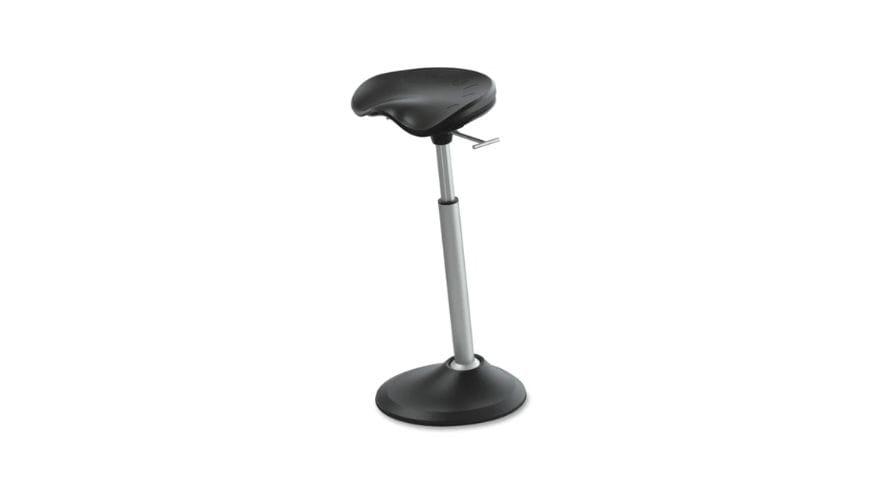
Image source: https://ergostandingdesks.com/products/safco-focal-upright-mobis-ii-standing-desk-stool
This isn’t really a chair; it’s a leaning post. It keeps you at a 135-degree hip angle, which is the “sweet spot” for spinal alignment.
- Pros: Takes the weight off your feet while keeping your legs engaged.
- Cons: Not meant for long-term “deep” sitting.
- Who it’s for: People who prefer standing but need a “break” for their feet every 30 minutes.
5. Best Mid-Range Hybrid: Branch Ergonomic Chair Pro
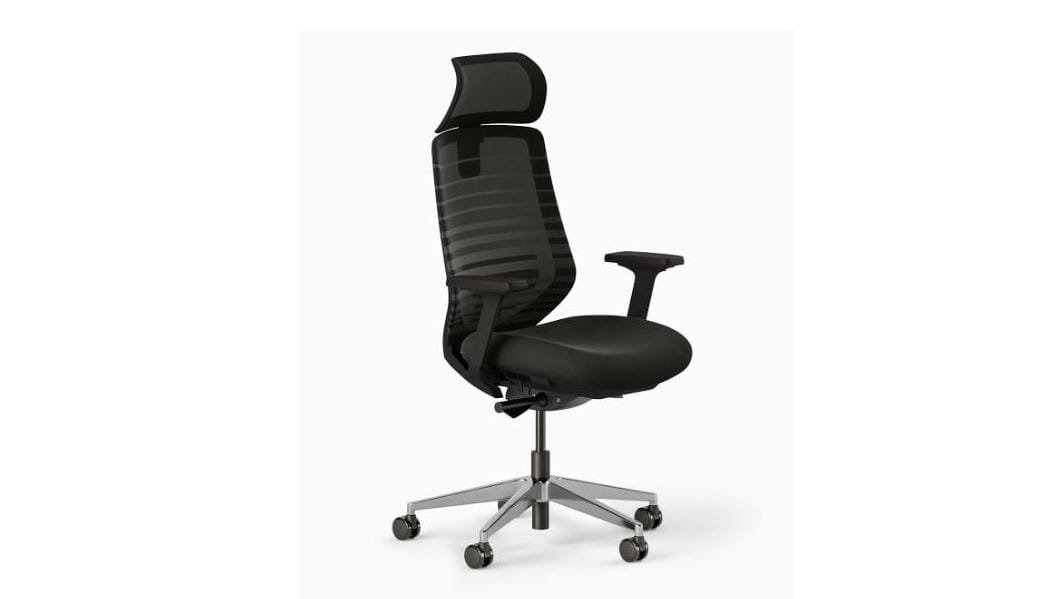
Image source: https://www.branchfurniture.com/products/ergonomic-chair-pro?srsltid=AfmBOorFQf-k4Eo7qTxvZ8m8KS–KmNgEDOVN5x4M3kFmcOqHhgomGJN
Branch has mastered the “direct-to-consumer” luxury feel. Their Pro model at drafting height offers sophisticated tilt-tension and high-quality mesh that rivals chairs twice its price. You can even buy an extended cylinder to support taller heights.
- Pros: Quick assembly; sleek aesthetic; very breathable.
- Cons: Armrests aren’t as adjustable as the Steelcase.
- Who it’s for: The home office worker looking for style and ergonomics without the $1,000+ price tag.
👉 Also see: Branch Office Chair Review: An Honest 5 Week Test
6. Best for Core Engagement: Varier Move Tilting Stool
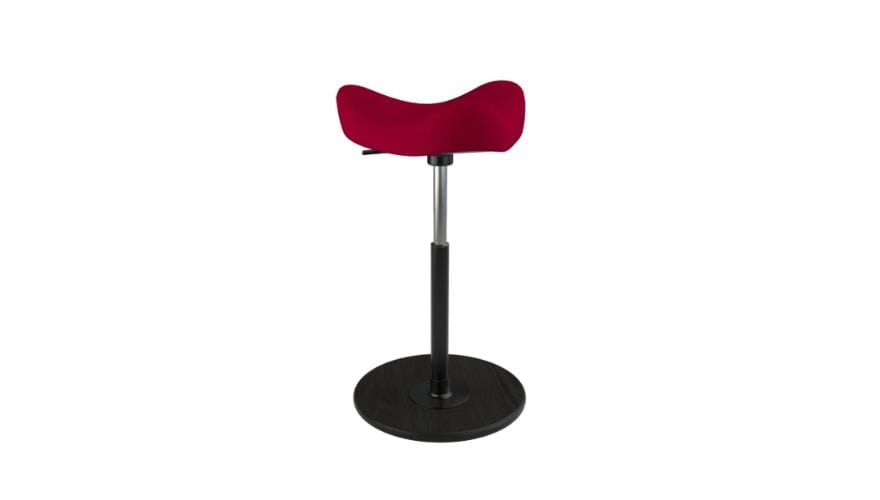
Image source: https://varierchairs.com/standing-chairs/move-stool/
The Move stool is a classic for a reason. Its rounded base allows you to tilt and rock, which keeps your core muscles subtly engaged while you work.
- Pros: Extremely lightweight; improves posture naturally.
- Cons: No back support (by design).
- Who it’s for: Users who want to treat their workday like a light core workout.
7. Best Tech-Forward Pick: Herman Miller Vantum
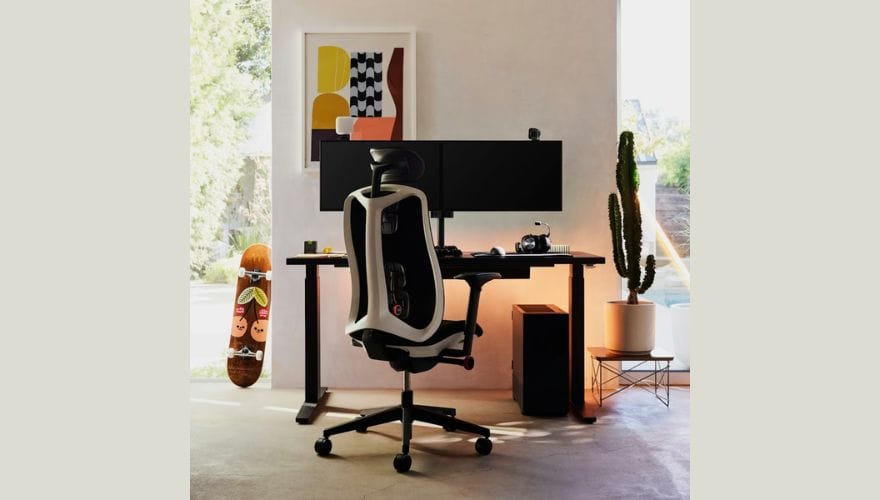
Image source: https://store.hermanmiller.com/gaming-chairs/vantum-gaming-chair/100468544.html?lang=en_US&sku=100468544
Originally designed as a gaming chair, the Vantum’s “active forward lean“ makes it surprisingly perfect for deep-focus work at a standing desk.
- Pros: Great headrest support; specifically designed for an upright posture.
- Cons: The aesthetic is a bit “gamery“ for traditional offices.
- Who it’s for: Tech enthusiasts who tend to lean into their screens while working.
8. Best Budget-Friendly: Meet&Co Budding Chair
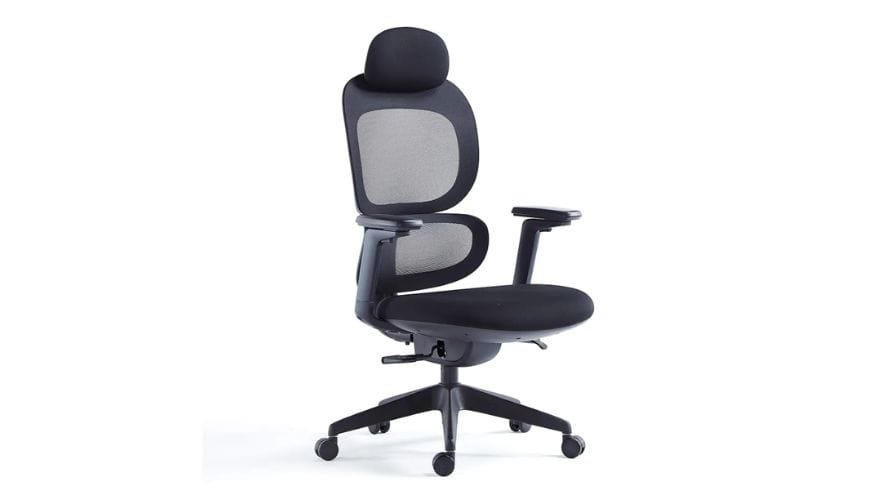
Budding offers a solid, dependable ergonomic chair with a headrest and adjustable lumbar at a price point that’s accessible for students or startup founders.
- Pros: Adjustable; includes a headrest.
- Cons: The seat padding can feel a bit stiff over long periods.
- Who it’s for: Those on a budget who still want a quality ergonomic chair.
Buyer’s Guide: What to Look for in a Standing Desk Chair
Here’s what to check for when you’re shopping.
1. The Right Height: It Must Fit Your Desk
This is the most important thing. The chair must lift you high enough to match your standing desk.
- What to look for: Check the chair’s height range. A good range for most standing desks is from about 22 inches to 33 inches (56 cm to 84 cm). Measure from the floor to your desk surface while you’re standing comfortably. Your new chair should be able to reach that height.
- Simple tip: If the product details don’t list a high enough maximum height, it’s not a true standing desk chair.
2. The Foot Ring: Your Comfort Essential
When you sit high up, your feet dangle. This cuts off circulation and makes you uncomfortable fast. A foot ring solves this.
- Why it’s essential: The foot ring gives your feet a place to rest. This takes pressure off the back of your thighs and keeps your blood flowing. It’s a small feature that makes sitting for longer periods much more comfortable.
- Simple tip: Look for a foot ring that is adjustable (so you can set it at the right height for your legs) and textured (so your feet don’t slip off).
3. Stable Base: Safety First
A tall chair needs a very stable base to prevent tipping.
- Weighted Base vs. Casters: A chair with a weighted, five-point base is the safest choice. It’s designed not to tip over, even when you lean or reach. Casters (wheels) are okay if you need to move around, but make sure they have a locking mechanism so the chair stays in place when you sit down.
- Simple tip: For maximum stability at standing height, choose a weighted base over casters.
👉 Also see: 10 Best Office Chairs for Tall People: Buyer Guide
4. Material Choice: Stay Cool or Stay Cozy
The material affects how the chair feels during long periods of use.
- Mesh: This is the best choice for breathability. It lets air flow through, so you don’t get hot and sweaty. It’s great if you tend to feel warm or work in a warmer room.
- Fabric or Leather: These materials offer more cushioning and a softer feel. They can be very comfortable, but they may not breathe as well as mesh, which can make you feel warmer over time.
- Simple tip: For all-day use, mesh is often the most practical choice because it keeps you cool and is easy to clean.
Your Quick Checklist
- Height: Does it go high enough for your desk? (Aim for a max of 33″).
- Foot Support: Does it have a sturdy, adjustable foot ring?
- Stability: Does it have a wide, weighted base (preferably without wheels for standing use)?
- Comfort: Do you prefer breathable mesh or a cushioned fabric seat?

Ergonomic Tips: How to Use Your New Chair Correctly
Buying the right chair is the first step. Using it correctly is what keeps you comfortable and healthy. Follow these simple tips to get the most out of your standing desk chair.
1. Follow the “20-8-2 Rule” for Movement
Your body isn’t made to stay in one position all day, even a good one. A helpful guideline is the “20-8-2 Rule.”
- Sit for about 20 minutes in your drafting chair.
- Stand at your desk for about 8 minutes.
- Move and stretch for about 2 minutes (walk, get water, do a quick stretch).
This pattern helps prevent stiffness, boosts your energy, and keeps your blood flowing. Think of your chair as one part of an active workday, not a place to stay all day.
2. Set the Correct Foot Ring Height
When sitting at standing height, proper foot support is crucial. Avoid letting your legs dangle. This cuts off circulation and can cause discomfort.
- How to set it: Adjust the foot ring so your feet rest flat on it with your knees bent at roughly a 90-degree angle. Your thighs should be parallel to the floor, and there should be no pressure on the backs of your knees.
- Simple check: You should be able to feel the full weight of your legs supported by the foot ring, not by the edge of your seat.
👉 Learn more: What is the Standard Chair Height? A Simple Guide to Getting It Right
3. Don’t Forget the Anti-Fatigue Mat
You might wonder why you need a mat if you have a chair to sit in. The answer is for your standing sessions.
- Why it helps: When you stand for those 8-minute intervals, an anti-fatigue mat provides cushioning. It encourages tiny movements in your legs and feet, which reduces strain on your back, legs, and joints.
- The result: You’ll find it easier and more comfortable to stand for short periods, making it simpler to follow the 20-8-2 rule. It makes both sitting and standing more comfortable.
Quick Recap:
- Move regularly with the 20-8-2 rule.
- Support your feet on the foot ring with knees at 90 degrees.
- Cushion your stand with an anti-fatigue mat for comfort.
FAQs about Standing Desk Chairs
Q1. Is a standing desk chair worth it?
Yes, if you find yourself sitting for too long or getting fatigued while standing. It facilitates the “sit-stand-move” cycle, which is the healthiest way to work.
Q2. What is the difference between a drafting chair and a standing desk chair?
They are often the same thing. A “drafting chair” is the technical term for a chair with an extended height range and a foot ring, originally designed for architects at drafting tables.
Q3. Should I get a stool or a chair for my standing desk?
Choose a stool if you want to stay active and only need “perching” support. Choose a chair if you plan on doing long sessions of deep-focus work where back support is non-negotiable.
Q4. Do I need an anti-fatigue mat if I have a standing desk chair?
Ideally, yes. An anti-fatigue mat is great for when you are in “full stand” mode, while the chair is there for your “perch” and “sit” intervals.
Q5. How high should my seat be when using a standing desk?
Your elbows should remain at a 90-degree angle to the desk surface. If you are “perching,” your hips should be higher than your knees to maintain a healthy spinal curve.